
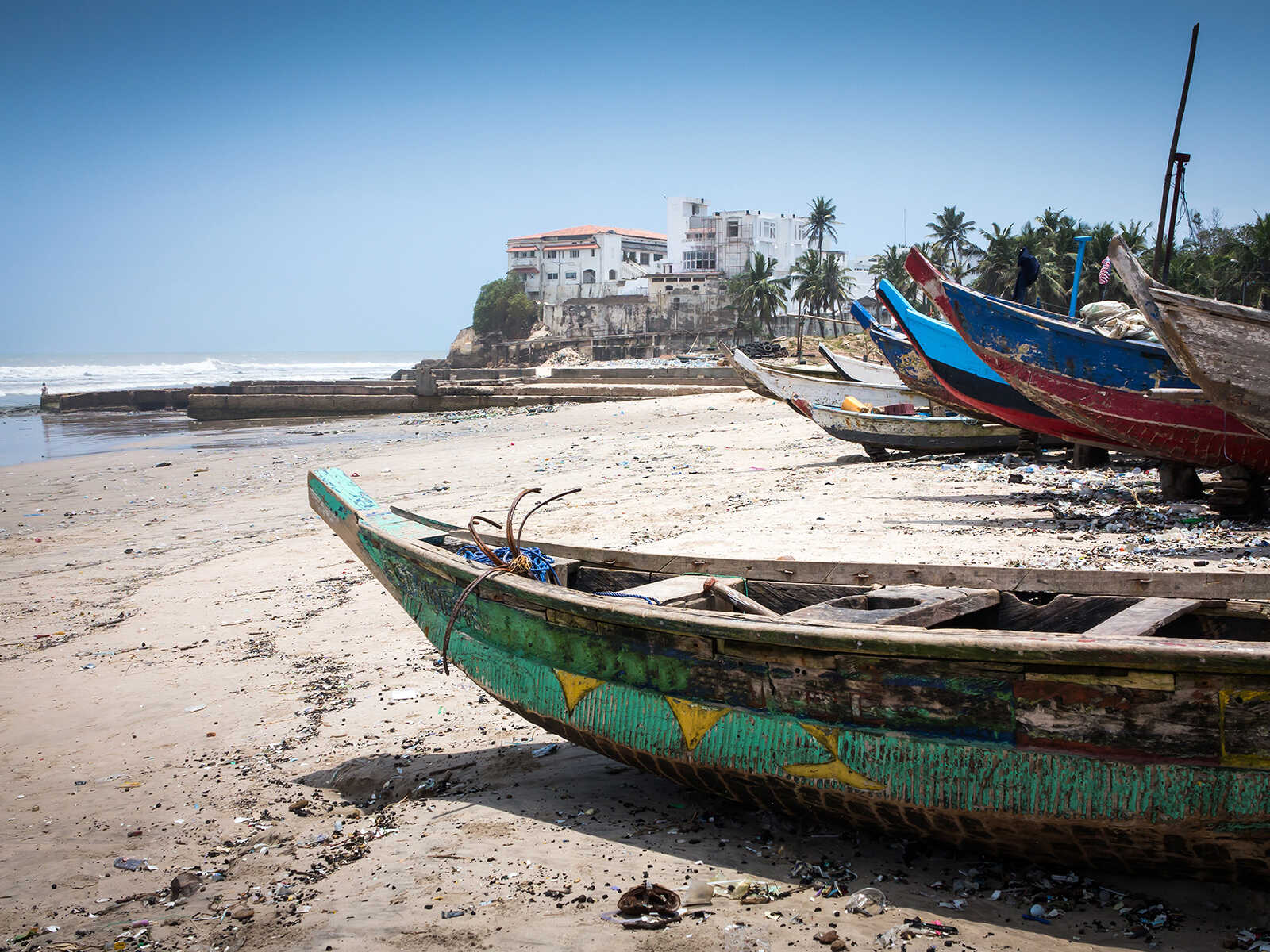
Is Ghana Safe for Travelers? Essential Tips & Advice
Ghana, often hailed as West Africa's gateway, beckons travelers with its vibrant culture, rich history, and warm hospitality. As with any international destination, prospective visitors often ask: "Is Ghana safe?" The good news is, Ghana maintains a reputation as one of the most stable and peaceful countries on the continent, making it a generally safe and rewarding place to explore.
While no country is entirely without risk, understanding the local context and adopting smart travel practices can ensure a smooth and memorable journey through this captivating nation. This guide provides essential safety tips and advice to help you navigate Ghana confidently.
Ghana's General Safety Profile
Ghana enjoys a stable democratic government and a largely hospitable population renowned for its friendliness towards foreigners. Major cities like Accra, Kumasi, and Cape Coast are bustling hubs that offer a mix of historical sites, natural beauty, and modern amenities. The most common issues travelers might encounter are petty crimes, similar to those in many popular tourist destinations worldwide.
The Ghanaian authorities are generally responsive and helpful, and tourism is a vital part of the economy, meaning there's a strong incentive to maintain a safe environment for visitors. However, being informed and prepared is always your best defense.
Common Safety Concerns and How to Mitigate Them
Petty Crime (Pickpocketing, Bag Snatching)
Like any urban area, Ghana's cities and crowded spots can be targets for petty theft. Pickpocketing and bag snatching are the most common crimes affecting tourists, particularly in busy markets, public transport, and around popular attractions. Areas near sites like Kwame Nkrumah Memorial Park,Black Star Square, or the bustling streets around Jamestown Lighthouse require extra vigilance.
- Be Aware:Always be conscious of your surroundings, especially in crowded places.
- Secure Valuables:Keep passports, large sums of cash, and electronics in a secure, hidden pouch or money belt. Avoid openly displaying expensive jewelry or gadgets.
- Bag Smart:Use cross-body bags or backpacks worn on the front in crowded areas. Avoid leaving bags unattended.
- ATM Use:Use ATMs located inside banks or well-lit, secure areas. Be wary of anyone offering unsolicited help.
Scams and Fraud
Travelers to Ghana, like many parts of the world, may encounter various scams. These often involve individuals trying to gain your trust to extract money. Common examples include "gold scams," offers of unofficial tours, or overcharging for services.
- Be Skeptical:Be cautious of overly friendly strangers who approach you with unusual offers or stories.
- Verify Information:If someone claims to be an official or offers a service, always verify their credentials.
- Agree on Prices:When taking taxis or purchasing items from informal vendors, always agree on the price beforehand to avoid disputes.
- Avoid "Good Samaritans":Be wary of unsolicited help, particularly at ATMs or when dealing with official processes.
"Akwaaba"is the ubiquitous greeting in Ghana, meaning "Welcome." While Ghanaians are genuinely friendly, always trust your instincts if a situation feels off.
Transportation Safety
Navigating Ghana's transportation system requires a degree of caution, especially for long-distance travel or during night hours.
- Reputable Taxis/Ride-Shares:In cities, use licensed taxis (often identifiable by their colors) or ride-sharing apps where available. Confirm the fare before starting your journey if there's no meter.
- Long-Distance Travel:For inter-city travel, use reputable bus companies. Avoid overcrowded minivans (tro-tros) for long distances, especially at night, as they may be poorly maintained. When planning trips to more remote locations like Kakum National Park or Mole National Park, consider hiring a driver or joining an organized tour.
- Night Travel:Avoid traveling on unfamiliar roads at night, particularly outside major urban areas, due to poor lighting and road conditions.
Health and Medical Considerations
Ensuring your health is paramount for a safe trip.
- Vaccinations:Consult your doctor well in advance for recommended vaccinations (e.g., Yellow Fever, Hepatitis A & B, Typhoid) and malaria prevention medication. Yellow Fever vaccination is often required for entry.
- Food and Water:Drink only bottled or filtered water. Be cautious with street food; ensure it's freshly cooked and served hot. Stick to fruits you can peel yourself.
- Insect Protection:Use strong insect repellent, especially at dawn and dusk, and sleep under mosquito nets where provided, particularly in areas like those surrounding Wli Waterfalls or national parks.
- Travel Insurance:Comprehensive travel insurance that covers medical emergencies and evacuation is highly recommended.
Water Safety (Beaches and Swimming)
Ghana's coastline boasts beautiful beaches, but ocean conditions can be unpredictable.
- Strong Currents:Be aware that many beaches, including popular spots like Labadi Beach and Bojo Beach, can have strong rip currents. Always swim with caution and never alone.
- Designated Areas:Swim only in designated areas, preferably where lifeguards are present.
- Respect Local Customs:Be mindful of local customs regarding swimwear, especially in more conservative areas.
Wildlife and Nature Safety
Exploring Ghana's natural wonders, from the canopies of Kakum National Park to the savannahs of Mole National Park, is a highlight, but requires respect for the environment.
- Follow Guides:Always adhere to instructions from park rangers or local guides, especially during safaris or forest walks.
- Stay on Trails:Do not wander off marked paths in national parks or reserves.
- Observe from a Distance:Keep a respectful distance from wildlife.
Essential Safety Tips for a Smooth Trip
Respect Local Culture and Customs
Ghanaians are generally tolerant, but showing respect for their culture enhances your safety and overall experience.
- Dress Modestly:While casual wear is acceptable in most tourist areas, dressing modestly, especially when visiting religious sites like Larabanga Masjid or traditional villages, shows respect.
- Ask Permission:Always ask for permission before taking photos of people.
- Greetings:Take time to greet people; it's considered polite and can open doors to friendly interactions.
Stay Informed and Aware
Being informed about local developments can prevent potential issues.
- Monitor News:Keep an eye on local news and your embassy's travel advisories.
- Register Your Trip:Consider registering your travel plans with your country's embassy or consulate in Accra.
- Trust Your Instincts:If a situation feels unsafe or uncomfortable, remove yourself from it.
- Avoid Demonstrations:Steer clear of political rallies or demonstrations, even if they seem peaceful.
Digital Safety
Protecting your digital footprint is also part of travel safety.
- Secure Devices:Keep your phone and laptop secure. Avoid public Wi-Fi for sensitive transactions.
- Backup Data:Back up important documents and photos to a cloud service before and during your trip.
Emergency Contacts
Know who to call in an emergency.
- Local Numbers:Know the local emergency numbers (e.g., Police, Ambulance).
- Embassy/Consulate:Have your embassy or consulate's contact information readily accessible.
- Travel Insurance:Keep your travel insurance policy details and emergency contact numbers handy.
Specific Considerations for Solo Female Travelers
Ghana is generally welcoming for solo female travelers, but extra precautions are advisable.
- Dress Code:While not strictly enforced, dressing modestly can help avoid unwanted attention, particularly outside of major tourist areas.
- Night Travel:Avoid walking alone at night, especially in dimly lit or unfamiliar areas. Use reputable taxis or ride-shares.
- Confidence:Project confidence and purpose, even if you feel unsure.
- Inform Others:Let someone know your itinerary, especially if you're traveling to remote areas or going on excursions.
Is Ghana Safe? The Verdict
Ghana is, without a doubt, a safe and incredibly rewarding destination for travelers. The warmth of its people, the richness of its history at sites like Cape Coast Castle and Elmina Castle, and its vibrant culture create an unforgettable experience. By exercising common sense, staying aware of your surroundings, and following the practical advice outlined above, you can confidently explore all that Ghana has to offer.
Embrace the adventure, immerse yourself in the local culture, and prepare for an enriching journey through this jewel of West Africa. Your safety is largely in your hands, and with a proactive approach, your Ghanaian adventure will be filled with positive memories.