
Ghana on a Budget: Practical Tips for Affordable Travel
Ghana, a vibrant West African nation, offers an incredible tapestry of history, culture, and natural beauty. While often perceived as a destination for luxury, it's entirely possible to explore this captivating country without overspending. With smart planning and local insights, your Ghanaian adventure can be both enriching and budget-friendly.
Pre-Trip Planning: Laying the Foundation for Savings
Effective planning is the cornerstone of any budget trip. A little research before you depart can lead to significant savings once you arrive.
When to Visit for Value
Consider traveling during the shoulder seasons, typically April-May or September-October. During these times, you might find slightly lower prices for flights and accommodations compared to the peak dry season (November-March), while still enjoying good weather. The rainy season (June-August) can offer even better deals, though some activities might be weather-dependent.
Smart Flight Booking
Flights often represent the largest single expense. Be flexible with your travel dates and consider flying into different Ghanaian cities if it offers a better deal, then taking a local bus to your final destination. Booking well in advance can also secure better fares.
Visa and Entry Requirements
Most non-ECOWAS travelers require a visa to enter Ghana. Research the visa application process and fees for your nationality well in advance. Applying early can help avoid expedited processing fees.
Navigating Accommodation on a Dime
Where you sleep can significantly impact your budget. Ghana offers a range of options beyond high-end hotels.
Guesthouses and Hostels
Across Ghana, you'll find numerous guesthouses and hostels that provide clean, basic, and affordable lodging. These often come with shared facilities, but many also offer private rooms at reasonable rates. They are also excellent places to meet fellow travelers and share tips.
Embrace Local Stays
For an authentic experience and even greater savings, look into homestays or smaller, family-run establishments, especially outside major cities. These offer a unique cultural immersion and are typically more budget-friendly. Always check reviews and confirm amenities before booking.
Affordable Transportation Across Ghana
Getting around Ghana can be surprisingly inexpensive if you know the local ropes.
Master the Tro-Tro
The tro-tro is Ghana's most ubiquitous and budget-friendly mode of public transport. These shared minivans operate on fixed routes, though not always clearly marked. They are an experience in themselves, offering a glimpse into local life. Don't be afraid to ask locals for help with routes and fares.
Travel Tip:When using tro-tros, try to sit near the window for better air circulation and views. Always confirm your destination with the 'mate' (driver's assistant) before boarding.
Shared Taxis and Ride-Sharing
In cities, shared taxis are another economical option. These operate like tro-tros but with fewer passengers and often faster routes. For more convenience, ride-sharing apps are available in Accra and Kumasi and can be a good alternative, especially at night or for specific destinations. Always confirm the fare before starting your journey.
Long-Distance Buses
For inter-city travel, several reputable bus companies offer comfortable and affordable services between major towns. These are a good alternative to tro-tros for longer distances, offering more space and often air-conditioning.
Savoring Ghanaian Flavors Without Breaking the Bank
Ghanaian cuisine is delicious, diverse, and incredibly affordable if you eat like a local.
Dive into Street Food
Street food is the heart of Ghanaian culinary culture and the best way to eat cheaply and authentically. Look for vendors selling staples like kelewele (fried plantains), waakye (rice and beans), kenkey with fried fish, or flavorful jollof rice. Always choose busy stalls with high turnover for freshness.
Market Delights
Visiting local markets is an experience in itself and a great place to buy fresh fruits, vegetables, and snacks. You can often find prepared foods here too, offering hearty portions at local prices. Bargaining is common in markets, so be prepared to respectfully negotiate.
Stay Hydrated Affordably
Bottled water can add up. Look for sachet water, which is purified and much cheaper than bottled water. It's widely available and a staple for locals. Remember to dispose of the plastic responsibly.
Experiencing Ghana's Wonders on a Budget
Ghana boasts a wealth of attractions, many of which are free or have modest entrance fees.
Free and Low-Cost Attractions
In Accra, stroll through the vibrant streets of Jamestown and visit the historic Jamestown Lighthouse for panoramic views. Reflect on Ghana's independence at Black Star Square and pay respects at the Kwame Nkrumah Memorial Park. Many local markets, like Makola Market, offer a free cultural spectacle.
Nature and Adventure
Ghana's natural beauty is captivating. Trek through the canopy walkway at Kakum National Park or embark on a safari at Mole National Park to see elephants and other wildlife. For stunning waterfalls and hiking, head to the Volta Region to witness Wli Waterfalls or explore unique rock formations like Umbrella Rock.
Historical Insights
Delve into Ghana's poignant history by visiting the slave castles. While entrance fees apply, the experience is profound and essential for understanding the country's past.Cape Coast Castle and Elmina Castle are UNESCO World Heritage Sites offering powerful tours.
Relaxing on the Coast
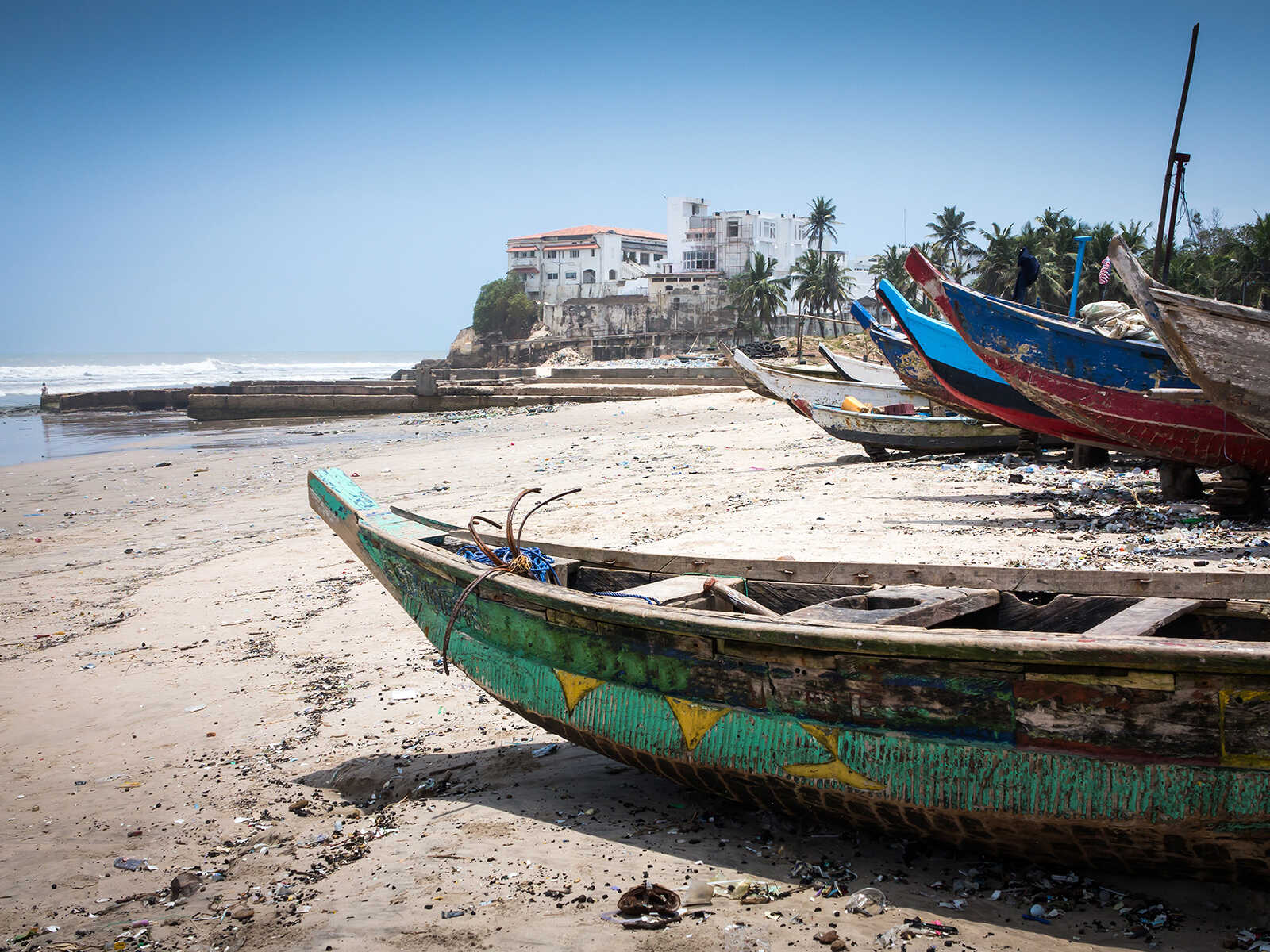
Ghana's coastline offers beautiful beaches for relaxation. While some private resorts charge for entry, public access beaches are free. Near Accra, you can enjoy the lively atmosphere of Labadi Beach or seek a quieter escape at Bojo Beach. Further afield, coastal towns offer serene stretches of sand.
Cultural Immersion
Seek out local festivals or community events for an authentic and often free cultural experience. Visit unique architectural marvels like the ancient Larabanga Masjid, one of West Africa's oldest mosques, located near Mole National Park.
Smart Spending and Local Hacks
A few practical tips can help stretch your budget further.
Bargaining Respectfully
Bargaining is a common practice in markets and with informal service providers. Always be polite and respectful. Start with a lower offer and work your way up. If you're unsure, observe locals or ask for advice.
Connectivity and Currency
Purchase a local SIM card upon arrival for affordable data and calls. This is invaluable for navigation and staying connected. While ATMs are available in major towns, it's wise to carry some cash, especially in smaller villages where card payments might not be accepted. Always have smaller denominations for transport and street food.
Embrace Local Guides
For certain attractions or cultural experiences, a local guide can enhance your visit. While they come with a fee, they often provide invaluable insights and can help you navigate local customs and even find better deals on local goods or services.
Staying Safe and Healthy
Budget travel doesn't mean compromising on safety or health.
Health Precautions
Consult your doctor before traveling to Ghana regarding necessary vaccinations and malaria prophylaxis. Always drink purified water and be mindful of what you eat, especially from street vendors. Carry a basic first-aid kit.
Personal Safety
Ghana is generally a safe country, but like anywhere, it's wise to be aware of your surroundings. Keep valuables out of sight, avoid walking alone at night in poorly lit areas, and trust your instincts. Be polite but firm if approached by insistent vendors or touts.
Conclusion: Your Affordable Ghanaian Adventure Awaits
Ghana is a destination that truly rewards the budget traveler. By embracing local transport, savoring street food, and seeking out affordable accommodations and activities, you can immerse yourself fully in its rich culture and stunning landscapes without a hefty price tag. Prepare for an unforgettable journey filled with warmth, history, and vibrant experiences that won't break the bank.