
Exploring Cape Coast & Elmina Castles: A Definitive Visitor's Guide
Exploring Ghana's rich history often begins with a profound journey to the Atlantic coast, where the iconic Cape Coast and Elmina Castles stand as solemn testaments to a pivotal era. These UNESCO World Heritage Sites offer visitors an immersive and essential understanding of the transatlantic slave trade and Ghana's colonial past.
Nestled along Ghana's picturesque coastline in the Central Region,Cape Coast Castle and Elmina Castle are more than just ancient structures; they are powerful monuments of remembrance. Their walls bear witness to centuries of trade, conflict, and the brutal realities of the transatlantic slave trade, making them indispensable destinations for anyone seeking to grasp the full breadth of human history.
Cape Coast Castle: A Window into the Past
Originally built by the Swedes in 1653 as Carolusborg,Cape Coast Castle exchanged hands numerous times between European powers – including the Danes and the Dutch – before falling under British control in the late 17th century. It served primarily as a trading post for gold and other commodities, but its role tragically evolved to become one of the most significant slave dungeons along the West African coast.
What to Expect During Your Visit
A guided tour of Cape Coast Castle is a deeply moving experience. Visitors are led through the various sections, each telling a poignant story:
- The Dungeons:Descend into the dark, suffocating dungeons where thousands of enslaved Africans were held in horrific conditions, awaiting passage to the Americas. The atmosphere is heavy with the weight of history.
- The Door of No Return:This infamous portal was the last glimpse of their homeland for countless individuals before being forced onto slave ships. It now serves as a powerful symbol of their separation.
- Governor's Quarters:Contrast the squalor of the dungeons with the relative comfort of the European quarters above, highlighting the stark inequalities of the era.
- Museum:An on-site museum provides further historical context through artifacts, documents, and exhibitions, offering a deeper understanding of the trade and its impact.
The castle's vantage point offers stunning views of the Atlantic Ocean, a beautiful backdrop to a somber history.
Elmina Castle: The Oldest European Structure in Sub-Saharan Africa
Just a short drive west of Cape Coast lies Elmina Castle, also known as St. George's of the Mine Castle (São Jorge da Mina). Constructed by the Portuguese in 1482, it predates Cape Coast Castle by over a century and holds the distinction of being the oldest European structure in sub-Saharan Africa. Its strategic location made it a crucial hub for the gold trade before its eventual transformation into a major slave trading post under Dutch rule.
What to Expect During Your Visit
Elmina Castle offers a complementary, yet equally impactful, experience to Cape Coast. The tours are comprehensive and emotionally resonant:
- Portuguese and Dutch Architecture:Observe the distinct architectural styles reflecting its different colonial masters.
- Female and Male Dungeons:Explore the separate, grim holding cells for men and women, often including a "condemned cell" for those who resisted.
- The Chapel:A poignant reminder of the religious hypocrisy that coexisted with the slave trade.
- The "Door of No Return":Similar to Cape Coast, Elmina has its own infamous exit, leading directly to the waiting ships.
- Courtyards and Cannons:Wander through the vast courtyards and observe the numerous cannons that once defended this formidable fortress.
Fun Fact: Elmina Castle's original purpose was to protect the Portuguese gold trade, but it quickly became instrumental in the transatlantic slave trade, shifting from gold to human cargo.
Planning Your Visit to the Castles
Getting There
Both castles are located in Ghana's Central Region. The most common way to visit is by road from Accra, the capital city. The journey takes approximately 3-4 hours by car or public transport (tro-tro or bus). Many tour operators offer day trips or multi-day excursions that include the castles.
Best Time to Visit
Ghana has a tropical climate. The dry season (November to March) is generally preferred for travel, offering sunny days and lower humidity. However, the castles are open year-round, and a visit during the cooler, wetter months can also be comfortable.
Duration of Visit
Allocate at least 2-3 hours for each castle tour. This allows ample time to participate in the guided tour, reflect, and explore the museum sections. Many visitors combine both castles into a full day trip, often adding a visit to Kakum National Park, located inland from Cape Coast, for an exciting canopy walk experience.
What to Bring
- Comfortable Walking Shoes:You'll be doing a lot of walking on uneven surfaces.
- Water:Stay hydrated, especially on warm days.
- Sun Protection:Hat, sunglasses, and sunscreen are highly recommended.
- Camera:Photography is often permitted in outdoor areas, but check with your guide regarding interior spaces, particularly the dungeons.
- Open Mind and Heart:Prepare for an emotionally charged and educational experience.
Guided Tours
It is mandatory to join a guided tour at both castles. The knowledgeable local guides provide invaluable historical context, personal stories, and insights that bring the history to life. Tipping your guide is customary and appreciated.
Accommodation
While it's possible to visit the castles as a day trip from Accra, staying overnight in Cape Coast or Elmina allows for a more relaxed experience. There are various accommodation options ranging from budget-friendly guesthouses to more comfortable hotels in the vicinity.
Respectful Conduct
These sites are places of profound historical significance and remembrance. Visitors are encouraged to approach their visit with respect and reverence. Listen attentively to the guides and reflect on the stories shared within these walls.
Beyond the Castles: Exploring the Central Region
While the castles are the main draw, the Central Region offers more to explore. A popular addition to any itinerary is Kakum National Park, renowned for its impressive canopy walkway suspended high above the rainforest floor. It provides a thrilling contrast to the somber history of the castles, offering a chance to connect with Ghana's rich natural heritage.
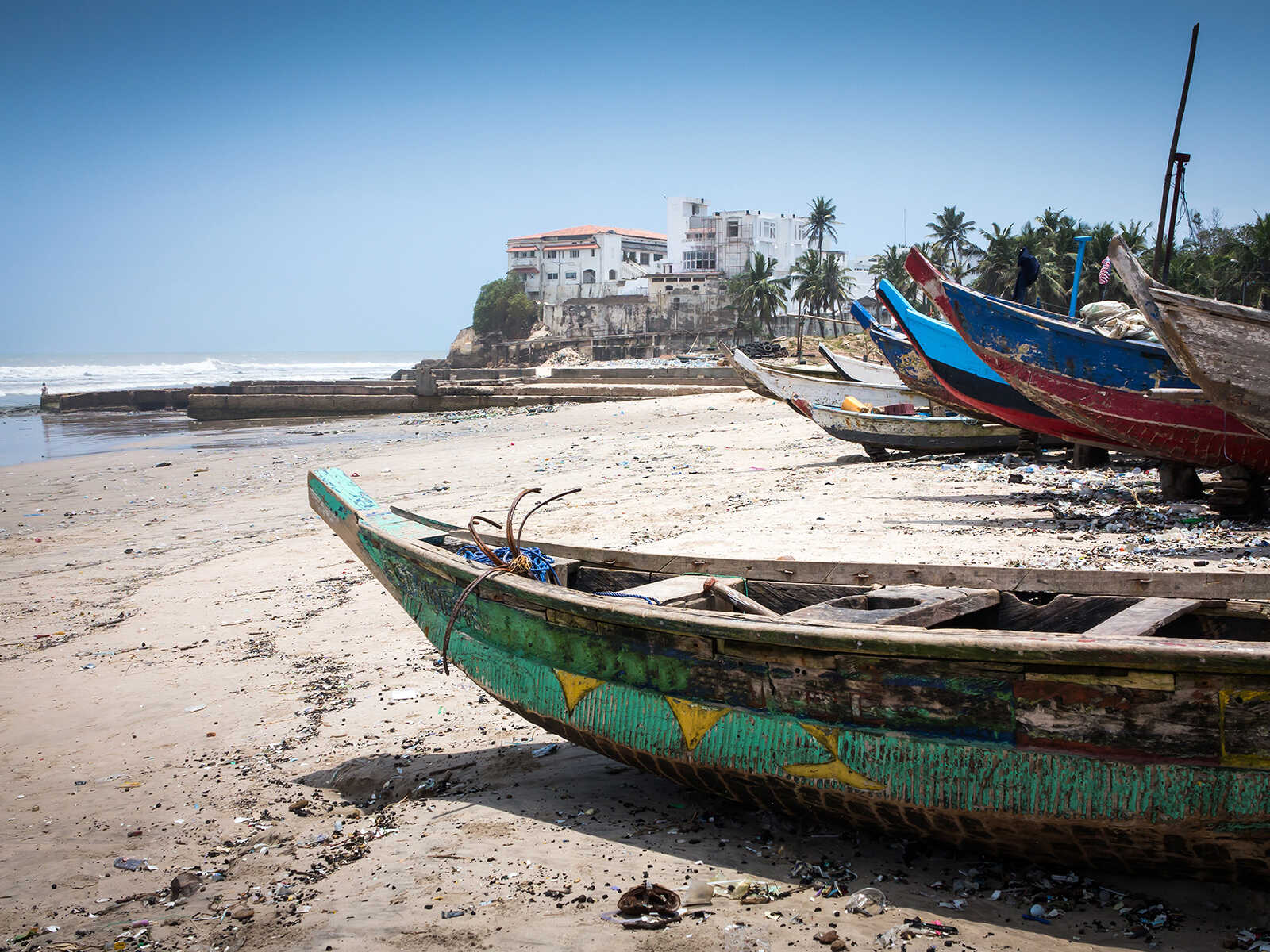
The vibrant fishing communities around Elmina and Cape Coast also provide a glimpse into contemporary Ghanaian life, with bustling markets and colorful fishing boats dotting the coastline.
A Journey of Reflection and Understanding
Visiting Cape Coast Castle and Elmina Castle is far more than a sightseeing excursion; it is a pilgrimage into a crucial, often painful, chapter of human history. These formidable structures serve as powerful reminders of resilience, injustice, and the enduring spirit of humanity. A trip here is an essential part of understanding Ghana's identity and its profound contribution to global history, leaving an indelible mark on every visitor.