
Accra Travel Guide: Things to Do, See & Experience in the Capital
Accra, Ghana's vibrant capital, is a city pulsating with life, history, and a captivating blend of tradition and modernity. From bustling markets and historical landmarks to serene beaches and a thriving arts scene, Accra offers an unforgettable West African adventure for every traveler. Dive into this comprehensive guide to discover the best the city has to offer.
Welcome to Accra: A Dynamic Capital
As the heart of Ghana, Accra is a city that never sleeps, radiating an infectious energy that captivates visitors from the moment they arrive. It's a place where ancient traditions gracefully coexist with contemporary aspirations, offering a rich tapestry of experiences. From its colonial past to its vibrant present, Accra serves as a cultural melting pot and a perfect gateway to exploring the diverse beauty of Ghana.
Fun Fact:Accra was originally a collection of coastal Ga villages before evolving into a major trading hub and eventually the capital of Ghana.
Navigating Accra: Getting Around the City
Getting around Accra can be an adventure in itself. The city offers a range of transportation options to suit different preferences and budgets:
- Tro-tros:These shared minibuses are the most common and authentic way to experience local life. They are affordable but can be crowded and confusing for first-timers.
- Taxis:Readily available, taxis offer more comfort and direct routes. Always negotiate the fare before starting your journey, or ensure the meter is used if available.
- Ride-Hailing Apps:Services like Bolt and Uber are popular, offering transparent pricing and convenience. They are generally recommended for reliability.
- Walking:While not ideal for long distances due to traffic and heat, exploring specific neighborhoods like Jamestown or Osu on foot can be rewarding.
Must-Visit Attractions & Experiences
Historical & Cultural Landmarks
Accra is steeped in history, offering profound insights into Ghana's past and its journey to independence.
- Kwame Nkrumah Memorial Park: Dedicated to Ghana's first president, Dr. Kwame Nkrumah, this park houses his mausoleum, a museum, and beautiful gardens. It's a poignant tribute to a pivotal figure in African liberation.
- Black Star Square(Independence Square): An iconic landmark, this vast ceremonial ground is where Ghana celebrates its independence. It features the Black Star Gate and the Arch of Independence, symbols of national pride.
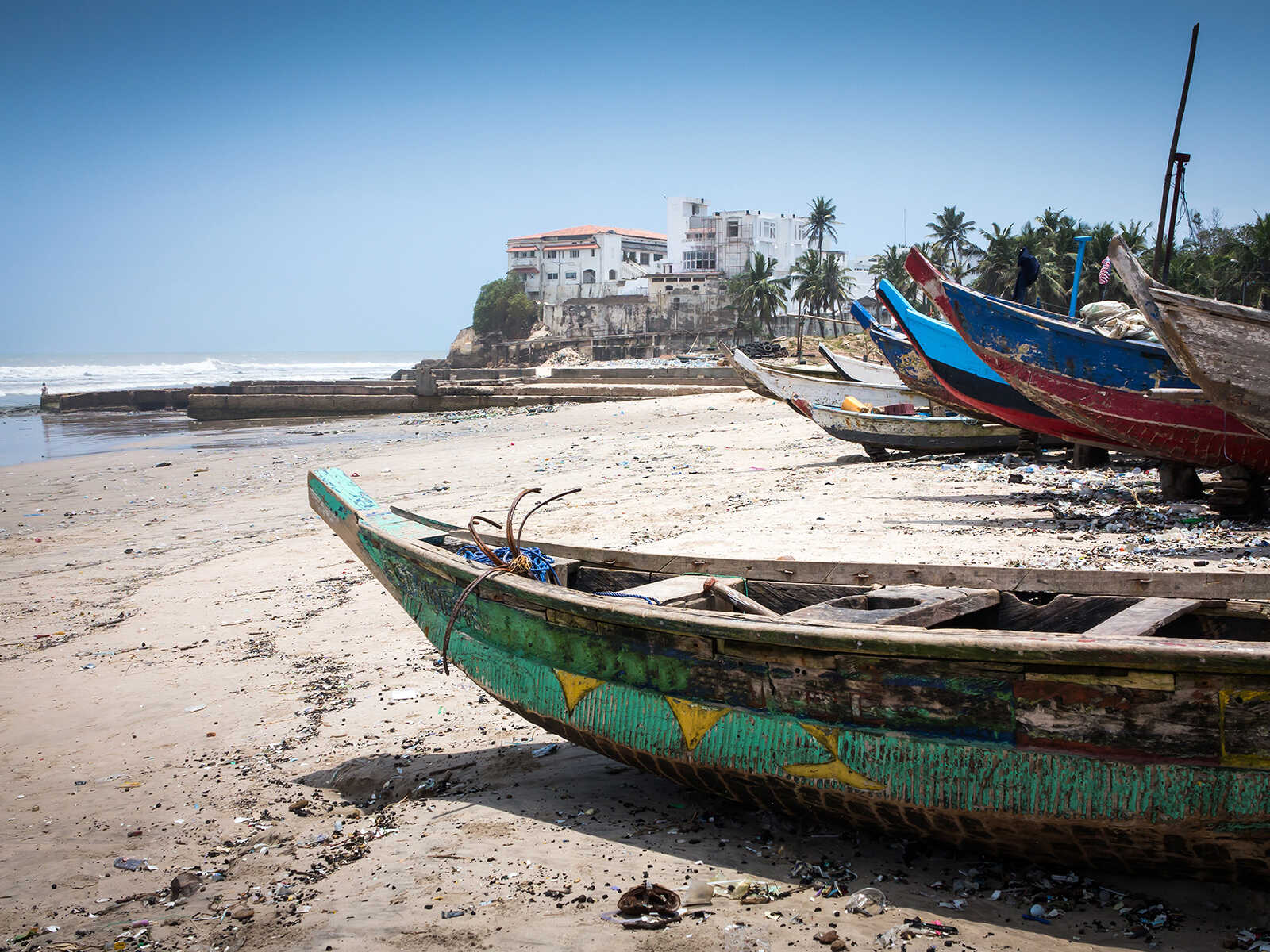
- Jamestown: Explore this historic fishing community, one of Accra's oldest districts. Witness daily life at the bustling harbor, see colonial-era buildings, and climb the iconic Jamestown Lighthouse for panoramic views of the city and coastline.
- W. E. B. Du Bois Centre: This center honors the life and legacy of the renowned Pan-Africanist writer and activist, W. E. B. Du Bois, who spent his final years in Ghana.
- National Museum of Ghana: Discover Ghana's rich cultural heritage through its impressive collection of archaeological finds, ethnographic exhibits, and art.
Beaches & Relaxation
Accra's coastline offers several spots to unwind and enjoy the Atlantic breeze.
- Labadi Beach: The most popular and lively beach in Accra, known for its vibrant atmosphere, live music, cultural performances, horse riding, and a variety of food vendors.
- Bojo Beach: A more secluded and tranquil option, accessible via a short canoe ride across a lagoon. It offers a peaceful escape from the city's hustle.
- Kokrobite Beach: Located just outside Accra, Kokrobite is famous for its reggae nights and laid-back vibe, popular with both locals and expatriates.
Markets & Shopping
Immerse yourself in Accra's vibrant commerce, from bustling traditional markets to modern shopping districts.
- Makola Market: A sensory overload in the best possible way, Makola is Accra's largest open-air market. Here you can find everything from fresh produce and spices to textiles, household goods, and traditional remedies. It's an authentic slice of Ghanaian life.
- Centre for National Culture(Art Centre): A fantastic place to find authentic Ghanaian crafts, souvenirs, fabrics, carvings, and jewelry. Be prepared to haggle for the best prices.
- Oxford Street (Osu): This is Accra's premier commercial and entertainment hub, featuring modern shops, boutiques, restaurants, cafes, and a lively nightlife scene.
Arts & Entertainment
Accra boasts a dynamic arts and entertainment scene.
- Live Music: Experience the infectious rhythms of Highlife and Afrobeat at local clubs and venues, especially on weekends.
- Art Galleries: Explore contemporary Ghanaian art at galleries like the Artists Alliance Gallery or the Nubuke Foundation.
- Nightlife: From sophisticated lounges to energetic clubs, Accra offers diverse options for evening entertainment, particularly in areas like Osu and Airport Residential Area.
Culinary Delights
Ghanaian cuisine is a feast for the senses. Don't leave Accra without sampling these local favorites:
- Jollof Rice: A staple West African dish, often served with chicken or fish.
- Banku and Tilapia: Fermented corn and cassava dough served with grilled tilapia and a spicy pepper sauce.
- Fufu and Soup: Pounded cassava and plantain (or yam) served with various rich, savory soups like groundnut or light soup.
- Kenkey: Fermented corn dough usually served with fried fish and hot pepper.
- Kelewele: Spicy fried plantains, a popular street food snack.
You can find these dishes everywhere, from street food vendors to upscale restaurants. Don't be afraid to try local eateries for an authentic experience.
Day Trips from Accra
For those looking to explore beyond the city limits, several fascinating destinations are within a day's reach:
- Slave Castles of the Central Region: A profound historical journey awaits at Cape Coast Castle and Elmina Castle. These UNESCO World Heritage Sites offer a sobering look into the transatlantic slave trade and are essential visits for understanding Ghana's history.
- Kakum National Park: Often combined with a visit to the castles, Kakum offers an exhilarating canopy walkway experience high above the rainforest floor, providing unique views and a chance to spot wildlife.
- Aburi Botanical Gardens & Shai Hills Resource Reserve: Just an hour's drive from Accra, Aburi offers serene botanical gardens, while Shai Hills provides opportunities for hiking, rock climbing, and spotting baboons and antelopes.
- Akosombo & Lake Volta: Head east to witness the majestic Lake Volta, one of the largest man-made lakes in the world, and the Akosombo Dam. Boat cruises are often available.
Practical Tips for Travelers
- Visa: Most foreign nationals require a visa to enter Ghana. Apply well in advance of your travel date.
- Currency: The local currency is the Ghanaian Cedi (GHS). ATMs are widely available, and major credit cards are accepted in larger establishments.
- Language: English is the official language and widely spoken, making communication easy. Local languages like Twi, Ga, and Ewe are also prevalent.
- Safety: Accra is generally safe, but common sense precautions apply. Be aware of your surroundings, especially at night, and safeguard your valuables.
- Health: Yellow Fever vaccination is mandatory and proof may be required for entry. Consult your doctor about anti-malaria medication and other recommended vaccinations. Drink bottled water.
- Bargaining: Haggling is customary in markets and with taxi drivers. Engage respectfully and with a smile.
- Best Time to Visit: The dry season, from November to March, offers pleasant weather with less humidity and rainfall, making it ideal for exploring.
Conclusion
Accra is more than just a capital city; it's a living, breathing testament to Ghana's resilience, creativity, and warm hospitality. From its historical depths and cultural richness to its lively beaches and delicious cuisine, Accra promises an immersive and unforgettable journey. Pack your bags, open your mind, and prepare to be enchanted by the pulsating heart of West Africa.