
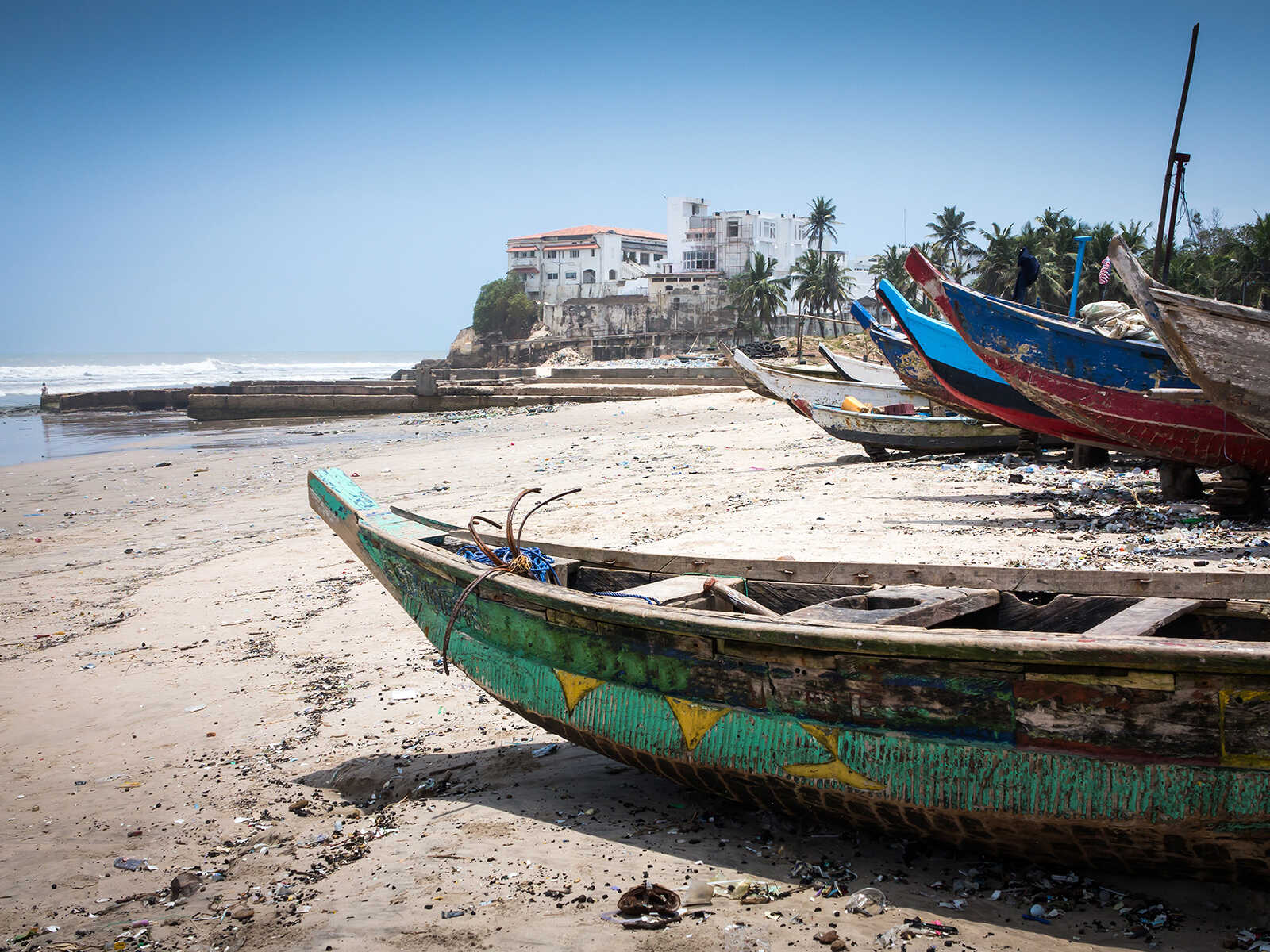
A Deep Dive into Ghana's Slave Castles: Cape Coast & Elmina History
Ghana's coast is home to a profound and sobering testament to human history: the slave castles of Cape Coast and Elmina. These UNESCO World Heritage Sites offer an essential, albeit difficult, journey into the heart of the Transatlantic Slave Trade, providing visitors with an unparalleled connection to a pivotal period in global history.
The Echoes of History: An Overview
Stretching along the Gulf of Guinea, Ghana's coastline, once known as the "Gold Coast," became a focal point for European powers during the era of exploration and trade. While initially drawn by gold and other natural resources, the focus tragically shifted to human beings, leading to the construction of dozens of forts and castles. Among these,Cape Coast Castle and Elmina Castle stand out as the most prominent and historically significant, serving as poignant reminders of immense suffering and resilience.
These formidable structures, built by various European nations over centuries, were not merely defensive outposts but complex trade centers, administrative hubs, and, most infamously, holding pens for millions of Africans awaiting forced passage across the Atlantic. A visit to these sites is more than a historical tour; it's a pilgrimage that demands reflection and remembrance.
Cape Coast Castle: A British Stronghold of Sorrow
Origins and Evolution
Cape Coast Castle, originally built by the Swedes in 1653 as Carolusburg, underwent several changes of ownership before falling into British hands in 1664. Under British control, it became one of the most significant slave trading posts in West Africa. For over 150 years, it was a central hub for the British slave trade, processing countless individuals destined for forced labor in the Americas and the Caribbean.
Did You Know?Cape Coast Castle served as the British colonial headquarters for the Gold Coast for over 200 years, long after the abolition of the slave trade, underscoring its strategic importance even beyond its most infamous purpose.
Exploring the Castle's Depths
A tour of Cape Coast Castle is an intensely emotional experience. Visitors are guided through the Governor's quarters, offering a stark contrast between the opulent living conditions of the European traders and the horrific dungeons below. These dark, airless chambers, designed to hold hundreds of men and women in inhumane conditions, vividly convey the suffering endured by those imprisoned there.
The tour culminates at the infamousDoor of No Return, a narrow portal through which enslaved Africans passed to waiting ships, never to see their homeland again. Today, this door has been symbolically renamed theDoor of Return, welcoming diasporans back to their ancestral land, a powerful symbol of hope and reconciliation.
Elmina Castle: Africa's Oldest European Structure
A Portuguese Legacy, A Dutch Conquest
Just a short drive west of Cape Coast lies Elmina Castle, or St. George's of Elmina (Castelo de São Jorge da Mina). Built by the Portuguese in 1482, it holds the distinction of being the oldest European structure in sub-Saharan Africa. Its construction marked a pivotal moment in the history of European engagement with West Africa, initially serving as a trading post for gold.
In 1637, the Dutch West India Company successfully captured the castle from the Portuguese, transforming it into their primary slave trading post on the Gold Coast. Elmina's strategic coastal location and its formidable defenses made it an invaluable asset for controlling trade routes and securing human cargo.
The Architecture of Oppression
Elmina Castle's architecture reflects its dual purpose as a fortified trading post and a holding facility for enslaved people. Its massive white walls, drawbridges, and cannons speak to its defensive capabilities, while its dungeons, similar to those at Cape Coast, tell a grim story of human bondage. The castle features separate male and female dungeons, as well as solitary confinement cells, each designed to strip individuals of their dignity and hope.
The journey through Elmina's dungeons, the Governor's courtyard, and past the chapel (which was often built directly above the dungeons, offering a disturbing juxtaposition) leads to its ownDoor of No Return. The sheer scale and age of Elmina Castle often leave visitors with a profound sense of awe mixed with deep sorrow.
The Enduring Significance: Door of No Return, Door of Return
Both Cape Coast Castle and Elmina Castle feature a "Door of No Return," a chilling symbol of the final passage for millions of enslaved Africans. These portals represent the point of no turning back, the last glimpse of their homeland before enduring the horrors of the Middle Passage. Today, these same doors serve as powerful symbols of remembrance, reconciliation, and the enduring spirit of survival. Many visitors, particularly those from the African diaspora, find deep personal meaning in tracing these steps.
The castles are not just historical relics; they are active sites of memory, education, and healing. They host numerous events, including the "Joseph Project" and "Panafest," which aim to foster connections between Africans on the continent and those in the diaspora, encouraging a "return" to their roots.
Planning Your Pilgrimage: Tips for Visiting
Location and Accessibility
Both Cape Coast Castle and Elmina Castle are located on Ghana's Central Region coast, approximately 3-4 hours drive west of Accra. They are relatively close to each other, making it feasible to visit both in a single day or over two days, especially if you plan to combine it with other regional attractions like Kakum National Park, known for its canopy walkway.
What to Expect During Your Visit
- Guided Tours:Both castles offer mandatory guided tours led by knowledgeable local guides who share detailed historical narratives and personal insights. These tours are essential for a comprehensive understanding.
- Emotional Impact:Be prepared for an intensely emotional experience. The stories, the atmosphere, and the physical spaces can be deeply moving.
- Photography:Photography is generally allowed in most areas, but often restricted in the dungeons out of respect. Always check with your guide.
- Respectful Attire:While there's no strict dress code, modest clothing is appropriate given the solemn nature of the sites.
Practical Tips
- Allow Ample Time:Dedicate at least 2-3 hours for each castle to fully appreciate the tours and spend time for reflection.
- Comfortable Footwear:You'll be walking on uneven surfaces and climbing stairs.
- Stay Hydrated:Ghana's climate can be hot and humid. Bring water.
- Consider a Local Guide/Driver:For ease of travel and deeper cultural immersion, hiring a local driver or joining a tour from Accra is highly recommended.
- Combine with Other Sites:While emotionally demanding, consider pairing your visit with a more uplifting experience afterward, such as the natural beauty of Kakum National Park.
Beyond the Castles: Ghana's Rich Heritage
While the slave castles offer a crucial window into a painful past, Ghana's history and culture extend far beyond these sites. Exploring destinations like the vibrant markets of Accra, the historical significance of Kwame Nkrumah Memorial Park, or the natural wonders of Mole National Park offers a broader understanding of this remarkable nation's heritage and ongoing journey.
A visit to Cape Coast Castle and Elmina Castle is not just a historical excursion; it's a profound encounter with human resilience, a call for remembrance, and an invaluable lesson for humanity. It's an experience that deeply connects visitors to the past, shaping their understanding of the present and inspiring a more just future.