
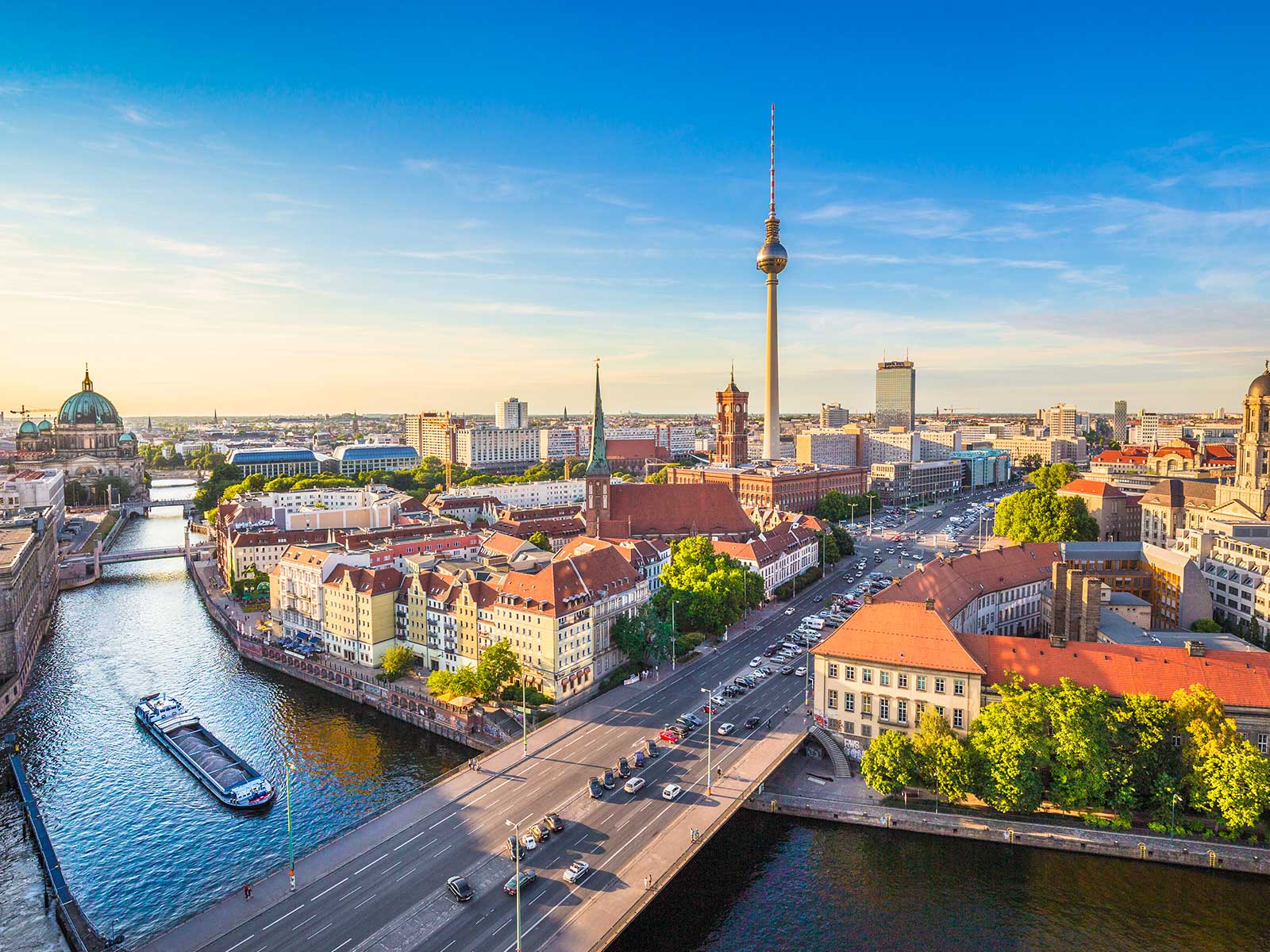
Munich Travel Guide: Beer Gardens, History & Bavarian Charm
Munich, the vibrant capital of Bavaria, masterfully blends centuries of history with a modern, cosmopolitan flair. From its world-renowned beer gardens to magnificent royal palaces and profound historical sites, the city offers an unforgettable experience for every traveler seeking authentic German culture.
Discovering Munich's Enduring Appeal
Known as "München" to locals, this southern German metropolis is celebrated for its deep-rooted traditions and welcoming atmosphere. It’s a city where lederhosen and dirndls are still worn with pride, where the beer flows freely, and where history is palpable on every street corner. Munich serves as an excellent gateway to explore not only the city itself but also the stunning Bavarian Alps and picturesque surrounding regions.
The Heart of Bavaria: Beer Gardens & Culinary Delights
No visit to Munich is complete without experiencing its legendary beer culture. Beer gardens are more than just places to drink; they are social hubs, integral to Bavarian life, especially during warmer months. Picture yourself under ancient chestnut trees, enjoying a refreshingMaß(liter mug) of beer alongside traditional Bavarian dishes.
- Englischer Garten:One of the world's largest urban parks, it hosts several beloved beer gardens, including the famous Chinese Tower Beer Garden. It’s a perfect spot for a leisurely afternoon, combining nature with convivial atmosphere.
- Viktualienmarkt:This bustling outdoor market in the Munich Old Town boasts a central beer garden surrounded by stalls selling fresh produce, cheeses, and local delicacies. It’s ideal for people-watching and enjoying a bite.
- Hofbräuhaus:While perhaps the most famous and tourist-oriented, the Hofbräuhaus offers an authentic glimpse into Bavarian beer hall tradition, complete with live Oompah bands and hearty food.
Tip:In traditional beer gardens, you are generally allowed to bring your own food, as long as you purchase drinks from the establishment. This is a beloved Bavarian custom!
Beyond beer, Munich's culinary scene offers delights likeWeisswurst(white sausage, traditionally eaten before noon), giant pretzels (Brezn), and sumptuous roast pork (Schweinebraten). Don't forget to pair them with a sweet mustard or a local brew.
A Journey Through Munich's Rich History
Munich's history stretches back over 850 years, from its monastic origins to its role as a royal capital and, tragically, a key city in 20th-century history. The city's architecture and monuments tell tales of prosperity, power, and resilience.
Majestic Landmarks and Royal Heritage
- Marienplatz:The central square of Munich, Marienplatz, has been the city's heart since its founding. Dominated by the magnificent Neo-Gothic Neues Rathaus (New Town Hall) with its famous Glockenspiel, it’s a must-see. Make sure to catch the hourly chime and animated figures.
- Frauenkirche:The iconic twin-domed Cathedral of Our Lady is one of Munich's most recognizable symbols. Visitors can often climb one of its towers for panoramic views of the city and, on clear days, the Alps.
- Residenz:The former royal palace of the Bavarian monarchs, the Munich Residenz, is Germany's largest city palace. It houses opulent rooms, courtyards, and gardens, showcasing centuries of Wittelsbach dynasty's art and history.
- Odeonsplatz:This grand square is home to the Feldherrnhalle and the Theatinerkirche, reflecting Munich's past as a royal residence city.
While exploring the Munich Old Town, you'll encounter charming streets and historic buildings that whisper stories of dukes, kings, and everyday Bavarians. The city's resilience is evident in how it rebuilt itself after significant damage during World War II, preserving its historical essence while embracing modernity.
Embracing Bavarian Charm and Culture
Munich’s charm lies in its unique blend of traditional Bavarian hospitality and a forward-looking urban environment. The locals are proud of their heritage, and this pride is reflected in vibrant festivals, traditional attire, and a slower pace of life than other major cities.
Festivals and Traditions
Beyond the daily life, Munich hosts world-famous events:
- Oktoberfest:The largest folk festival in the world, Oktoberfest, attracts millions annually. While primarily a beer festival, it's also a celebration of Bavarian culture with traditional music, food, and fairground rides.
- Christmas Markets:During the winter months, Munich transforms with enchanting Christmas markets (Christkindlmärkte) filling the air with the scent of mulled wine (Glühwein) and roasted almonds.
Art, Science, and Green Spaces
Munich is also a hub for arts and sciences:
- Museums:The Kunstareal (Art District) houses three Pinakothek galleries (Alte Pinakothek, Neue Pinakothek, Pinakothek der Moderne) covering art from the Old Masters to contemporary works. The Deutsches Museum, one of the world's oldest and largest science and technology museums, is another highlight.
- Englischer Garten:As mentioned for its beer gardens, this vast park offers more than just drinks. It's a place for surfing on the Eisbach wave, sunbathing, jogging, and simply unwinding in nature.
Day Trips from Munich: Explore More of Bavaria
Munich's strategic location makes it an ideal base for exploring some of Germany's most iconic sights. From fairy-tale castles to majestic mountains, Bavaria's wonders are within easy reach.
- Neuschwanstein Castle:Just a couple of hours away, this legendary fairy-tale castle, built by King Ludwig II, is a must-visit. Its stunning architecture and dramatic alpine setting are truly unforgettable.
- Zugspitze:Germany's highest peak offers breathtaking panoramic views of the Alps across four countries. Reachable by cogwheel train and cable car, it’s an incredible experience for nature lovers.
- Rothenburg ob der Tauber:A perfectly preserved medieval walled town on the Romantic Road, offering a glimpse into Germany's past with its cobblestone streets and half-timbered houses.
- Lindau:Located on Lake Constance (Bodensee), this charming island town boasts a picturesque harbor entrance with a lighthouse and Bavarian lion statue, offering stunning lake and mountain views.
- Dachau Concentration Camp Memorial Site:For a somber but important historical experience, the former concentration camp is a short train ride away, offering a powerful reflection on a dark chapter of history.
Practical Tips for Your Munich Visit
Getting Around
Munich boasts an excellent public transportation system (MVV) comprising U-Bahn (subway), S-Bahn (suburban train), trams, and buses. It’s efficient, clean, and the best way to navigate the city. Consider a day pass or multiple-day ticket for convenience.
Best Time to Visit
- Summer (June-August):Ideal for beer gardens, exploring parks, and enjoying the vibrant outdoor atmosphere.
- Autumn (September-October):Famous for Oktoberfest. Early autumn also offers pleasant weather and beautiful fall foliage.
- Winter (November-December):Magical for Christmas markets and a cozy, festive atmosphere.
- Spring (April-May):Fewer crowds, pleasant temperatures, and blooming gardens.
Local Etiquette
Bavarians appreciate politeness. A friendly "Grüß Gott" (God greet you) is a common greeting, especially outside of formal settings. Tipping in restaurants is customary (around 5-10%), and rounding up the bill is common.
Munich offers a travel experience that is as rich in history and culture as it is in lively entertainment and natural beauty. Whether you're clinking glasses in a bustling beer garden, marveling at royal splendor, or embarking on an alpine adventure, Munich promises a journey filled with authentic Bavarian charm.