
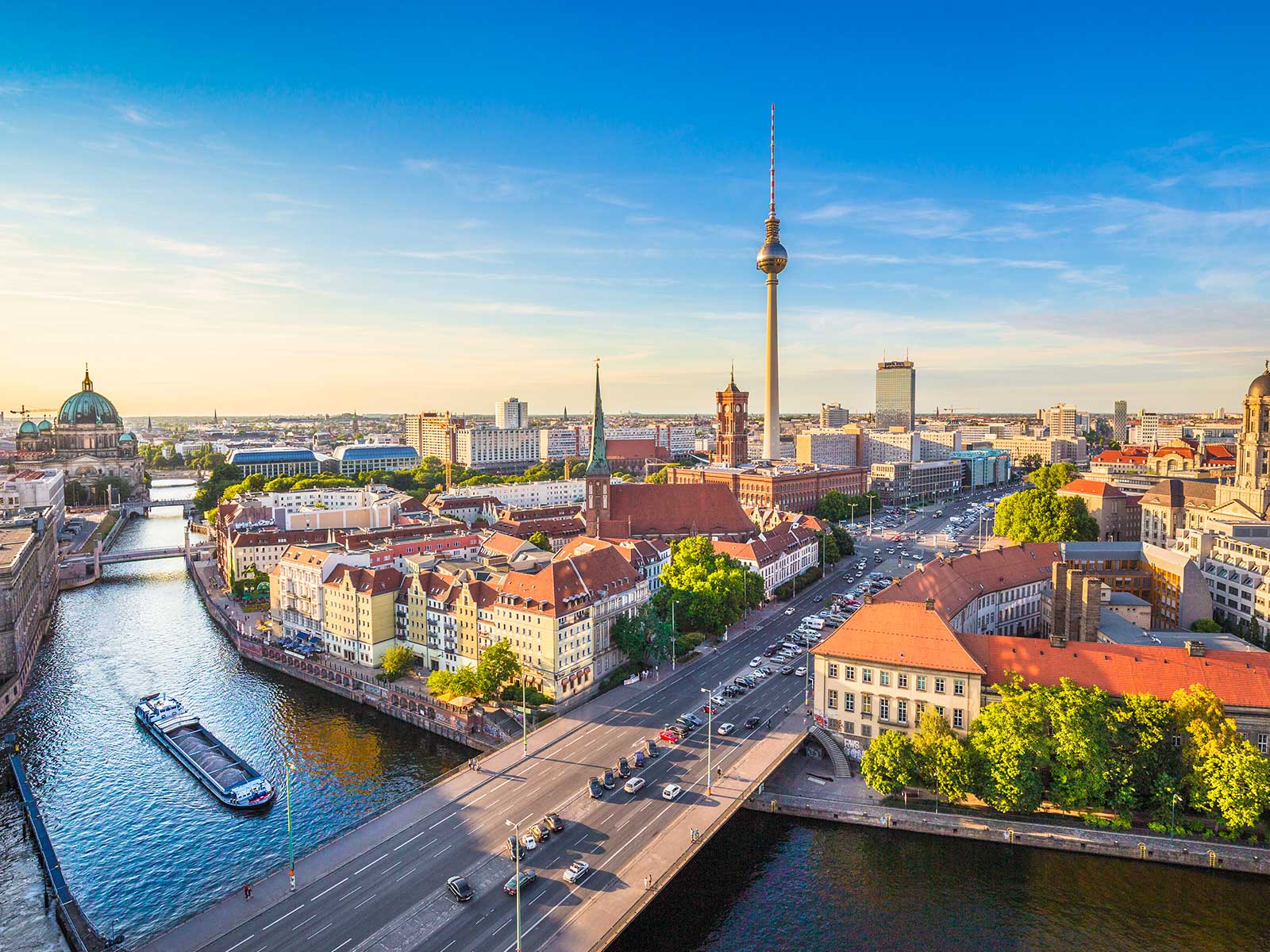
How to Get from Berlin to Munich: Train, Plane or Car
Planning a trip between Germany's vibrant capital and Bavaria's charming heart? Getting from Berlin to Munich offers a choice of transport methods, each with unique advantages. Whether you prioritize speed, scenery, or flexibility, this guide will help you navigate the journey effortlessly.
The distance between Berlin and Munich is roughly 585 to 600 kilometers (around 360-370 miles), making it a significant inter-city trip. Your choice of transport will largely depend on your budget, time constraints, and travel preferences.
By Train: The Scenic and Efficient Route
Germany's Deutsche Bahn (DB) offers an excellent high-speed rail network, making the train a popular and often preferred option for travel between major cities. The journey from Berlin Hauptbahnhof to München Hauptbahnhof is a prime example of German railway efficiency.
The ICE Experience
The InterCity Express (ICE) is Germany's flagship high-speed train, connecting Berlin with Munich in remarkable time. These modern trains offer a comfortable ride with amenities like Wi-Fi, power outlets, and dining cars. The direct route typically involves journey times between 4 to 4.5 hours, making it competitive with flying when factoring in airport transfers.
Benefits of Train Travel
- Speed & Efficiency:Fast city-center to city-center connections.
- Comfort:Spacious seating, dining options, and quiet zones.
- Scenery:Enjoy the German countryside unfolding outside your window.
- Convenience:Arrive directly in the city center, avoiding airport transfers.
- Sustainability:Generally considered a more environmentally friendly option compared to flying.
Booking Tips
To secure the best fares, it's highly recommended to book your tickets in advance, especially for popular routes like Berlin to Munich. Flexi-tickets offer more freedom but come at a higher premium. Consider checking for special offers or the BahnCard for frequent travelers.
"Traveling by ICE train allows you to truly appreciate Germany's diverse landscapes, from the flat plains north of Berlin to the rolling hills approaching Bavaria, all from the comfort of your seat."
By Plane: For the Time-Sensitive Traveler
While the train often rivals air travel for overall journey time between these two specific cities, flying remains an option for those prioritizing the shortest possible time in transit or connecting to further international flights.
Flight Details
Flights typically depart from Berlin Brandenburg Airport (BER) and arrive at Munich Airport (MUC). The actual flight time is usually around 1 hour and 15 minutes. Several airlines operate this route, offering multiple daily connections.
Considerations for Flying
- Airport Transfers:Both BER and MUC are located outside their respective city centers, requiring additional time and cost for transfer to and from the airports.
- Security Checks:Factor in time for check-in, security, and boarding procedures.
- Luggage Restrictions:Be mindful of airline baggage allowances, especially for budget carriers.
- Environmental Impact:Flying has a higher carbon footprint compared to train travel.
When calculating your total travel time, remember to account for travel to the airport, check-in, security, flight time, and transfer from the arrival airport to your final destination in Munich. This door-to-door time can often extend to 3-5 hours, making it comparable to the direct ICE train.
By Car: The Flexible Road Trip
For travelers who value flexibility, independence, and the opportunity to explore beyond the main cities, driving from Berlin to Munich can be an enriching experience. Germany's famous Autobahn network makes for relatively fast travel, though the journey is substantial.
The Route and Journey Time
The most direct route largely follows the A9 Autobahn, covering approximately 585-600 kilometers. Without significant stops or heavy traffic, the driving time is typically between 5.5 to 6.5 hours. However, traffic jams are common, especially around major cities and during peak hours or holidays, so allow for extra time.
Advantages of Driving
- Flexibility:Set your own pace, stop whenever and wherever you wish.
- Detour Opportunities:Explore charming towns and scenic landscapes off the main route.
- Luggage:No restrictions on baggage size or weight (within reason).
- Group Travel:Cost-effective for families or small groups sharing rental expenses.
Potential Stops and Detours
One of the greatest perks of driving is the chance to discover Germany's hidden gems. Consider these potential stops:
- Rothenburg ob der Tauber:A quintessential medieval town on the Romantic Road, offering stunning architecture and history.
- Dresden Old Town:If you're willing to make a significant detour east, explore this beautifully reconstructed Baroque city. Nearby, the Saxon Switzerland National Park offers breathtaking hiking opportunities.
- Heidelberg Old Town:A bit further west from the direct route, but its historic castle and university charm are well worth the detour for a longer trip.
- Rhine Valley:For a truly scenic, albeit longer, detour, consider heading west to explore the castles and vineyards of the Middle Rhine.
- After Munich:Your car also gives you freedom to explore Bavaria's surroundings, such as the majestic Neuschwanstein Castle, the stunning Zugspitze, or the picturesque town of Lindau on Lake Constance.
Important Driving Notes
While many sections of the Autobahn have no official speed limit, recommended speeds are in place, and various sections do have limits. Always pay attention to signage. Be aware that fuel costs and parking fees in cities can add up. Some areas might require an environmental badge (Umweltplakette) for your vehicle, especially in city centers.
Choosing Your Best Option
The ideal way to travel from Berlin to Munich ultimately depends on your priorities:
- Choose the Train if:You value speed, comfort, direct city-center arrival, and a relaxed journey without driving stress. It's often the most balanced option.
- Choose the Plane if:You're on a very tight schedule, have connecting international flights, or find a particularly good flight deal (remember to factor in airport transfer costs and time).
- Choose the Car if:You desire maximum flexibility, plan to make multiple stops along the way, are traveling with family or a group, or have significant luggage.
Tips for a Smooth Journey
- Book Ahead:Regardless of your chosen method, booking tickets (train, plane) or a rental car well in advance usually results in better prices and availability.
- Check Luggage Policies:Especially for flights, be aware of size and weight restrictions. Trains offer more flexibility.
- Stay Informed:Check for real-time traffic updates (for driving) or train/flight status before you depart.
- Enjoy the Ride:Whether by land or air, the journey itself is part of the adventure in exploring Germany.
Conclusion
Traveling between Berlin and Munich is a straightforward and enjoyable experience, no matter your preferred mode of transport. From the high-speed efficiency of the ICE train to the unparalleled flexibility of a road trip through Germany's diverse regions, each option offers a unique way to connect these two magnificent cities. Plan wisely, and embark on your German adventure!
Before you leave Berlin, consider visiting iconic sites like the Berlin Wall Memorial or the world-renowned Museumsinsel, or take a day trip to explore Sanssouci Park in Potsdam. Upon arrival, immerse yourself in Munich's Old Town, perhaps beginning at Marienplatz.