
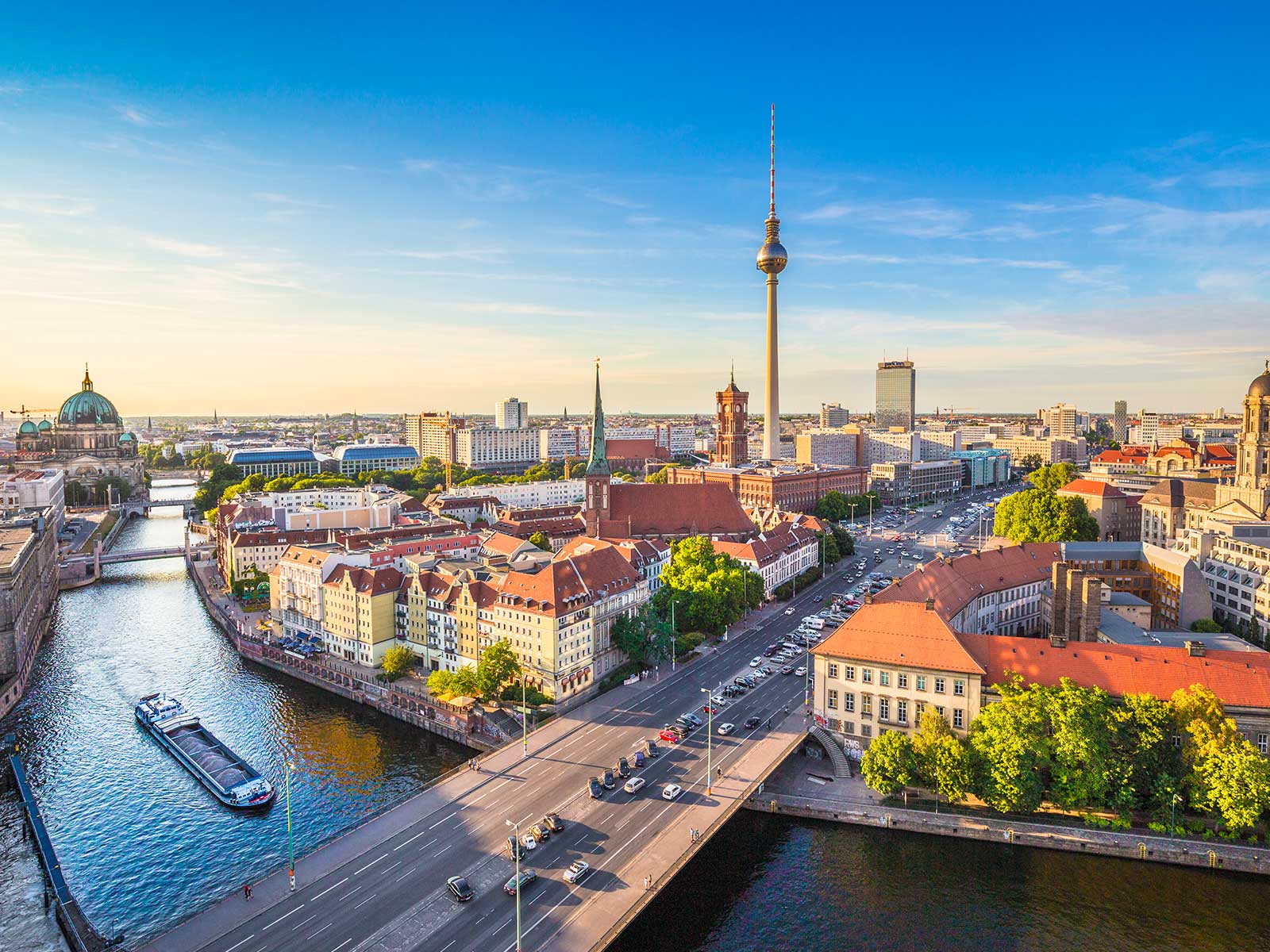
Getting Around Germany: A Comprehensive Transportation Guide
Germany boasts one of Europe's most efficient and integrated transportation systems, making it incredibly easy for travelers to explore its vibrant cities, picturesque towns, and stunning landscapes. Whether you prefer the speed of a high-tech train, the convenience of urban public transport, or the freedom of the open road, Germany has an option for every journey.
Planning your routes in advance will enhance your travel experience, ensuring smooth transitions between destinations. This guide covers all the major transportation methods, offering practical advice to help you navigate Germany like a local.
Germany's Rail Network: Your Gateway to Exploration
The backbone of German transportation is its extensive railway system, operated primarily byDeutsche Bahn (DB). It's renowned for its punctuality, comfort, and reach, connecting virtually every corner of the country.
High-Speed Trains (ICE)
The Intercity-Express (ICE) trains are Germany's flagship high-speed service, offering rapid connections between major cities. These sleek trains provide a comfortable and efficient way to travel long distances, often reaching speeds of over 300 km/h. You can easily travel from the bustling capital, Berlin, to the historic Cologne Cathedral or the cultural hub of Munich Old Town, enjoying amenities like Wi-Fi and dining cars. The ICE network is perfect for covering significant ground quickly, allowing more time for sightseeing at destinations like Brandenburg Gate or exploring Museumsinsel.
Regional Trains (RE, RB, S-Bahn)
For shorter distances and connecting to smaller towns or scenic regions, regional trains are your best bet.Regional-Express (RE)andRegionalbahn (RB)services link cities with their surrounding areas and provide access to gems like Rothenburg ob der Tauber or the enchanting Schwarzwald. TheS-Bahn(suburban rail) networks are integral to urban transport, offering quick connections within metropolitan areas and their immediate surroundings, such as reaching Sanssouci Park from Berlin.
Rail Passes and Tickets
Ticket options range from single journey tickets to various day passes, weekend tickets, and even national or regional travel cards. For extensive travel, consider a rail pass which can offer flexibility and potential savings. Booking tickets in advance, especially for ICE services, often yields better prices.
Travel Tip:For the best fares on long-distance trains, always try to book several weeks in advance. Last-minute bookings can be significantly more expensive.
Navigating German Cities: Public Transportation
German cities excel in public transportation, featuring well-integrated networks of U-Bahn (subway), Straßenbahn (tram), S-Bahn (suburban rail), and buses. These systems are incredibly efficient and punctual, making car rental within cities largely unnecessary.
U-Bahn (Subway) and Straßenbahn (Tram)
The U-Bahn provides rapid underground connections across major cities like Berlin, Munich, and Hamburg, bypassing street traffic. Trams, or Straßenbahn, offer a charming way to see the city above ground while still moving efficiently. Both are excellent for reaching attractions like the Altes Rathaus in Munich or exploring Dresden Old Town.
Buses
Buses complement the rail and tram networks, reaching areas not covered by trains or trams and providing convenient last-mile connections. They are particularly useful for local travel in smaller towns and for accessing attractions slightly off the main routes, such as reaching the base of Zugspitze for cable car access.
Tickets and Zones
Public transport tickets are typically valid across all modes within a specific city's transport association. Options include single tickets, day passes, weekly passes, and group tickets, often covering different fare zones. Always ensure you purchase the correct ticket for your journey and validate it before or at the start of your trip, if required.
Important Note:Unlike some countries, ticket barriers are rare in Germany. However, plain-clothed inspectors frequently check for valid tickets. Riding without a valid and validated ticket will result in a hefty fine.
Hitting the Autobahn: Driving in Germany
For those who love the open road, driving in Germany offers a unique experience, especially on the famousAutobahn, parts of which have no general speed limit. A car provides unparalleled flexibility to explore rural areas like the Schwarzwald or drive along the scenic Rhine Valley.
Car Rental
Major international and local car rental companies operate throughout Germany, with pick-up points at airports and major train stations. To rent a car, you typically need to be at least 21 years old (though surcharges for drivers under 25 are common), hold a valid driver's license from your home country, and often an International Driving Permit (IDP).
Road Rules and Etiquette
While some sections of the Autobahn have no speed limit, many do, especially near cities or construction zones. Always pay attention to signs. On multi-lane roads, keep to the right lane unless overtaking. The left lane is strictly for passing. Flashing headlights from behind usually signify a faster vehicle wishing to pass. Also, remember the "Rettungsgasse" (emergency corridor) rule in traffic jams on multi-lane roads, where drivers must form a lane in the middle for emergency vehicles.
Parking
Parking in German cities can be challenging and expensive. Look for signs indicating "Parkhaus" (parking garage) or "Tiefgarage" (underground parking). Many street parking areas require payment via machines, often accepting coins or cards. Consider utilizing park-and-ride facilities on the outskirts of cities.
Environmental Zones:Many German cities have "Umweltzonen" (environmental zones) to reduce pollution. Vehicles entering these zones require an environmental sticker (Umweltplakette). Rental cars typically come with one, but if driving your own car, you'll need to obtain one in advance.
Buses: Long-Distance and Local
While trains dominate long-distance travel, intercity buses, like FlixBus, have become a popular and often more economical alternative, especially for budget-conscious travelers. They serve a wide network, connecting cities and towns, and can be a good option for routes not well-covered by train, or for reaching places like Quedlinburg.
Cycling Through Germany
Germany is a very bike-friendly country, with an extensive network of well-maintained cycling paths. Exploring on two wheels is a fantastic way to experience the countryside, follow river paths (e.g., along the Rhine), or even tour cities. Many train stations offer bike rentals, and some regional trains allow bikes onboard (often for an extra fee and outside of peak hours).
Scenic Travel: Boats and Ferries
For a different perspective, consider boat and ferry services. The Rhine Valley is famous for its scenic river cruises, allowing you to admire castles and vineyards from the water. Lake Constance offers ferries connecting charming towns like Lindau. You can also take ferries to islands such as Rügen island or the Sylt Shore, providing a picturesque journey.
Air Travel within Germany
For very long distances within Germany, such as traveling from Berlin to Munich or vice versa, domestic flights can save time. Major airports are well-connected to city centers by public transport. However, considering security checks, travel to and from airports, and environmental impact, trains are often competitive for journeys under 4-5 hours.
Essential Tips for German Transportation
- Punctuality:German transport is generally very punctual. Aim to arrive at stations a few minutes early.
- Ticket Validation:Always validate your ticket if required (e.g., stamping it at a machine) before starting your journey on public transport.
- Planning Ahead:Use online resources like the Deutsche Bahn website or Google Maps for route planning and real-time information.
- Apps:Download local transport apps for specific cities (e.g., BVG for Berlin, MVV for Munich) and the DB Navigator app for train travel.
- Language:While most signs are in German, major stations and tourist areas often have English translations. Learning a few basic German phrases can be helpful.
- Accessibility:German public transport is increasingly accessible for travelers with disabilities, with many stations and vehicles offering ramps or lifts.
Germany's comprehensive transportation network ensures that getting around is part of the adventure. With excellent infrastructure and a variety of options, you're well-equipped to explore everything from the dramatic landscapes of Saxon Switzerland National Park to the fairytale charm of Neuschwanstein Castle. Happy travels!