
Germany's UNESCO World Heritage Sites: A Comprehensive Guide
Germany, a nation rich in history, culture, and natural beauty, boasts an impressive collection of UNESCO World Heritage Sites. These protected treasures offer a captivating journey through millennia, showcasing human ingenuity, artistic brilliance, and breathtaking landscapes. Embark on an unforgettable exploration of Germany's most significant cultural and natural landmarks.
Why Germany and UNESCO?
With over 50 sites inscribed on the UNESCO World Heritage List, Germany stands as one of the countries with the most protected landmarks globally. From ancient Roman ruins to medieval towns, magnificent cathedrals to pioneering industrial complexes, and pristine natural landscapes, these sites tell compelling stories of human development and environmental preservation. Each location serves as a testament to humanity's shared heritage and Germany's commitment to protecting these invaluable assets for future generations.
Architectural Marvels & Historic Cityscapes
Germany's urban centers and architectural wonders reveal layers of history, from Roman foundations to Baroque splendor.
Cologne Cathedral
Dominating the skyline of Cologne, the magnificent Cologne Cathedral(Kölner Dom) is a masterpiece of Gothic architecture. Construction began in 1248 and took over 600 years to complete, making it one of the largest and most enduring building projects in history. Its soaring spires, intricate stained glass, and the Shrine of the Three Kings draw millions of visitors annually, offering a profound sense of awe and spiritual grandeur.
Museum Island (Berlin)
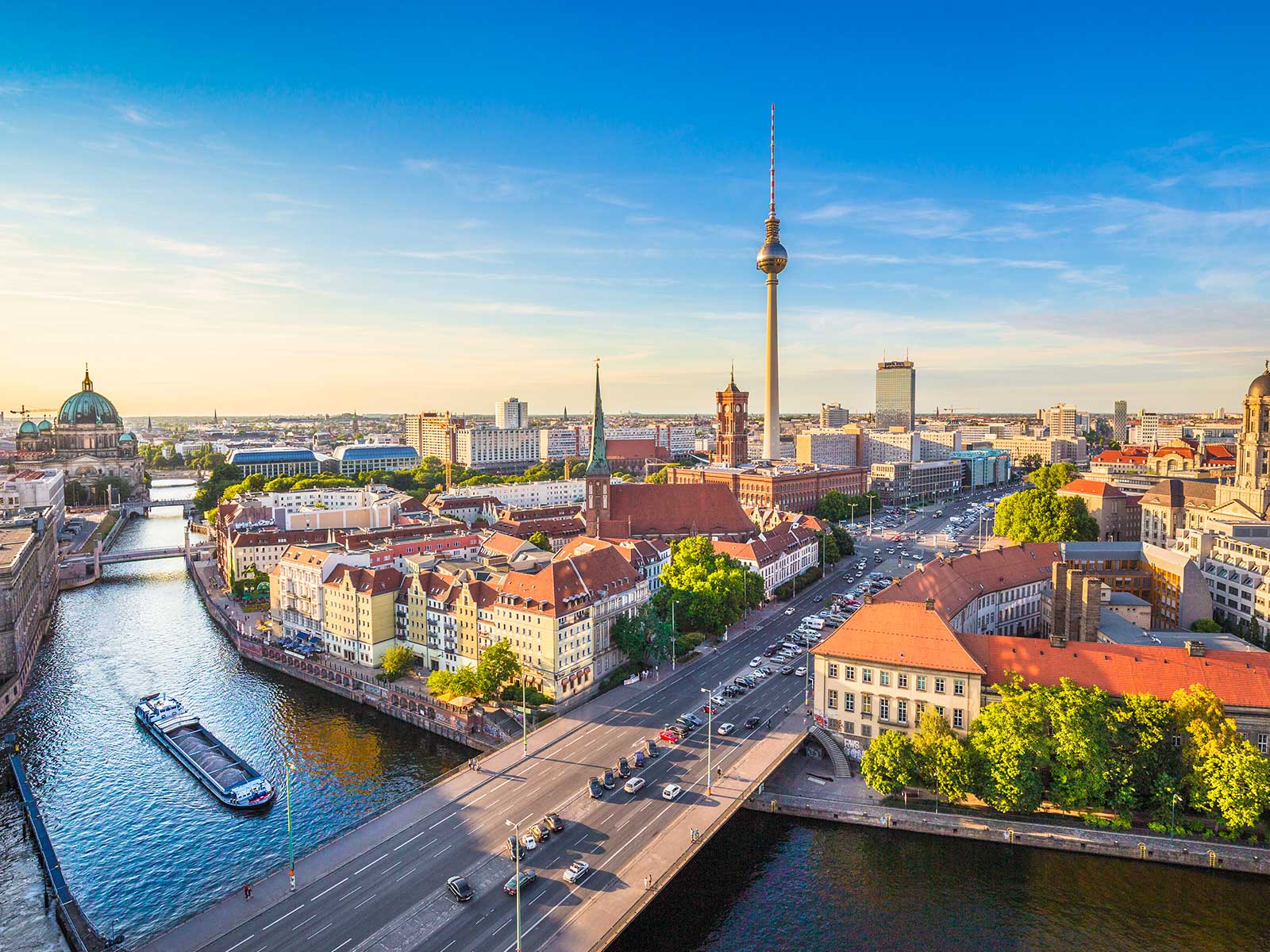
Located in the heart of the capital,Museum Island(Museumsinsel) in Berlin is a unique ensemble of five world-renowned museums, each a treasure trove of art and cultural history. This extraordinary complex, including the Pergamon Museum, Bode Museum, and Altes Museum, showcases collections spanning millennia, from ancient Egypt to 19th-century European art. It's an essential destination for any art and history enthusiast visiting Berlin.
Quedlinburg's Medieval Charm
Step back in time in the enchanting town of Quedlinburg, nestled in the Harz Mountains. Its meticulously preserved medieval old town boasts over 1,300 half-timbered houses spanning six centuries, narrow cobblestone streets, and a majestic collegiate church atop a sandstone cliff. Quedlinburg offers an unparalleled glimpse into the architecture and urban planning of the Middle Ages, feeling like a living museum.
The Würzburg Residence
The Würzburg Residence, built in the 18th century, is one of Europe's most outstanding Baroque palaces. Designed by Balthasar Neumann, it features breathtaking frescoes by Tiepolo, opulent state rooms, and expansive court gardens. This former episcopal palace is a shining example of the absolute monarchical period's grandeur and artistic achievement, a must-see for lovers of art and architecture.
Roman Trier
As Germany's oldest city, Trier is a living testament to the Roman Empire's presence. Its UNESCO sites include a remarkable collection of Roman monuments: the Porta Nigra (Black Gate), the Imperial Baths, the Basilica of Constantine, and the Amphitheater. These structures offer a fascinating insight into Roman engineering, daily life, and imperial power, making Trier an archaeological wonderland.
Travel Tip:Many UNESCO sites offer guided tours in multiple languages, providing deeper insights into their history and significance. Check their official websites for booking information.
Natural Wonders & Cultural Landscapes
Beyond its urban centers, Germany's natural landscapes and cultural regions also hold UNESCO status, celebrated for their unique beauty and ecological importance.
The Upper Middle Rhine Valley
The Rhine Valley, stretching between Bingen and Koblenz, is a captivating cultural landscape of dramatic castles, picturesque villages, terraced vineyards, and legendary Loreley rock. This romantic stretch of the Rhine River has inspired poets, artists, and musicians for centuries. A boat trip through this valley is perhaps the most iconic way to experience its beauty and historical significance.
The Wadden Sea
Shared with the Netherlands and Denmark, the Wadden Sea is the largest unbroken system of intertidal sand and mud flats in the world. This dynamic coastal landscape is a vital ecosystem for millions of migratory birds and unique species of plants and animals. Its extraordinary biodiversity and geological processes make it a natural wonder, offering unique opportunities for nature observation, especially near regions like the Sylt Shore.
Ancient Beech Forests
Germany is home to several components of the "Ancient and Primeval Beech Forests of the Carpathians and Other Regions of Europe" UNESCO site. These pristine forests are remnants of the vast beech forests that once covered much of Europe. They represent an outstanding example of the post-glacial development of terrestrial ecosystems. Significant German sites include parts of Jasmund National Park on Rügen Island and Hainich National Park, offering tranquil trails and a glimpse into ancient natural heritage.
Palaces and Parks of Potsdam and Berlin
This extensive cultural landscape encompasses a series of magnificent palaces and sprawling gardens in and around Potsdam and Berlin. Highlights include the stunning Sanssouci Park with its summer palace, the New Palace, and Cecilienhof Palace. These sites showcase the vision of Prussian kings and queens, reflecting artistic trends from Rococo to Neoclassicism, set within beautifully designed landscapes.
Industrial Heritage & Innovation
Germany's UNESCO sites also celebrate its pioneering role in industrial development, recognizing the profound impact of the Industrial Revolution.
Zollverein Coal Mine Industrial Complex
Once the largest and most modern coal mine in the world, the Zollverein Coal Mine Industrial Complex in Essen is now a striking example of industrial architecture and a vibrant cultural center. Its monumental structures, designed in the Bauhaus style, represent a powerful symbol of the Ruhr industrial region's past and its transformation. Visitors can explore the former mining facilities, now housing museums, restaurants, and art spaces.
Fagus Factory in Alfeld
The Fagus Factory, built between 1911 and 1913, is considered a seminal work of modern architecture and a precursor to the Bauhaus movement. Designed by Walter Gropius and Adolf Meyer, its innovative use of glass and steel revolutionized industrial building design, emphasizing functionality and aesthetic clarity. It remains a working shoe last factory today, symbolizing the enduring legacy of early 20th-century industrial design.
Planning Your UNESCO Journey
Visiting Germany's UNESCO World Heritage Sites offers an unparalleled travel experience. To make the most of your trip:
- Research in Advance:Each site has unique opening hours, accessibility, and visitor facilities.
- Consider Thematic Routes:Group sites by region (e.g., Roman sites along the Limes) or theme (e.g., Gothic cathedrals) for a cohesive itinerary.
- Utilize Public Transport:Many sites are well-connected by Germany's efficient train and bus networks.
- Allow Ample Time:Don't rush your visits. Many sites, especially complex ones like Museum Island or the Rhine Valley, deserve dedicated exploration.
- Support Local Economies:Stay in local accommodations, dine at regional restaurants, and purchase crafts to contribute to the preservation efforts.
From ancient history to breathtaking nature, Germany's UNESCO World Heritage Sites invite you to delve deeper into the country's soul. Each visit is not just a journey through space, but a journey through time, connecting you to the shared heritage of humanity.