
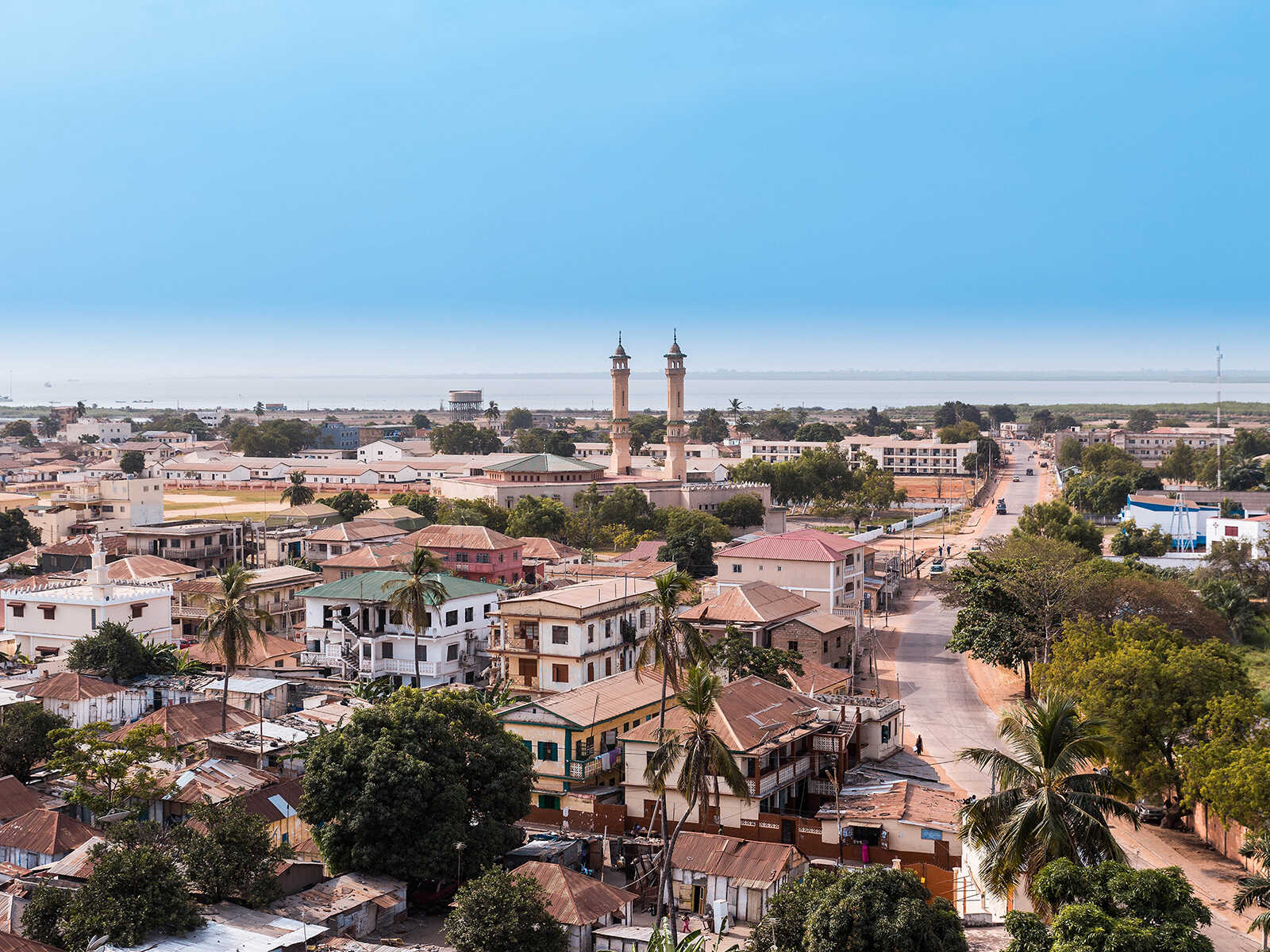
Is Gambia Safe for Tourists? Essential Safety Tips for Your Visit
Known as "The Smiling Coast of Africa," The Gambia captivates visitors with its golden beaches, vibrant culture, and friendly locals. While generally considered a safe destination, like any travel, understanding local conditions and exercising common sense are key to a smooth and enjoyable trip.
Overall Safety Assessment: What Tourists Should Know
The Gambia is a relatively stable and peaceful nation, particularly since its democratic transition. Violent crime against tourists is rare, making it a welcoming destination for many. However, visitors should be aware of petty crime and certain common annoyances that, while not dangerous, can detract from the experience if not managed proactively.
The Gambian people are renowned for their hospitality, and most interactions will be positive and enriching. A relaxed attitude combined with a firm but polite demeanor will serve you well in navigating local interactions.
Petty Crime: Awareness is Your Best Defense
As in many tourist destinations worldwide, petty crimes such as pickpocketing, bag snatching, and opportunistic theft do occur, especially in crowded markets, bus stations, and sometimes on beaches. While not widespread, it's wise to take precautions.
- Keep Valuables Secure:Use a money belt, keep your wallet in a front pocket, and avoid carrying large sums of cash.
- Be Mindful of Bags:Don't leave bags unattended on the beach or in open vehicles. Carry backpacks on your front in crowded areas.
- Avoid Flashing Wealth:Try not to display expensive jewelry, cameras, or phones unnecessarily.
- Secure Accommodation:Always lock your doors and windows, even when you're inside your hotel room. Utilize hotel safes for passports, extra cash, and other important documents.
Navigating "Bumsters" and Persistent Hawkers
One of the most common challenges tourists report is the presence of "bumsters" or "beach boys." These are usually young men who approach tourists on the beaches or near hotels, offering everything from guided tours to souvenirs, or simply seeking conversation and friendship, often with an underlying expectation of financial gain. They can be persistent.
Tip:A firm but polite "No, thank you" or "I'm not interested" is usually sufficient. Avoid engaging in long conversations or revealing too much personal information if you're not genuinely interested in their services. Walking with purpose and confidence can also help deter unwanted attention. While they can be annoying, they are rarely aggressive or dangerous.
This is particularly noticeable around popular tourist areas like Kotu Beach.
Road Safety and Transportation
Road conditions in The Gambia can vary, with some roads being unpaved or poorly maintained. Driving standards can also differ from what you might be used to, with pedestrians, livestock, and unlit vehicles on roads, especially at night.
- Taxis:Use officially marked "Green" tourist taxis for longer journeys or those recommended by your hotel. Agree on the fare before starting your journey, as meters are rare.
- Bush Taxis/Gele-Geles:These are shared minibusses and are very cheap but can be crowded and less predictable. Use them with caution, particularly if you are carrying valuables or at night.
- Driving:If you plan to drive, be extremely cautious. International driving permits are generally accepted, but local driving can be challenging. Avoid driving outside major towns at night.
- Pedestrians:Be aware of your surroundings when walking, as pavements can be uneven or non-existent, and traffic may not always yield.
Health and Hygiene Precautions
Health is a significant aspect of travel safety. Taking preventative measures can help you avoid common illnesses.
- Water:Always drink bottled water or water that has been filtered and boiled. Avoid tap water, even for brushing teeth.
- Food:Eat well-cooked food, especially meat and fish. Be cautious with street food unless it's freshly prepared and piping hot. Peel fruits yourself.
- Mosquitoes:The Gambia is a malaria-risk area. Consult your doctor about anti-malarial medication before your trip. Use insect repellent containing DEET, wear long sleeves and trousers at dawn and dusk, and sleep under a mosquito net if provided.
- Sun Protection:The Gambian sun is intense. Use high SPF sunscreen, wear a hat, and seek shade during the hottest parts of the day.
- Medical Facilities:Medical facilities are basic, especially outside of Banjul. Ensure you have comprehensive travel insurance that covers medical emergencies and potential evacuation. Carry a basic first-aid kit.
Swimming and Water Safety
The Atlantic coast offers beautiful swimming opportunities, but caution is advised.
- Rip Currents:Be aware of strong rip currents, which can be present along the coast. Always swim in designated areas, preferably where there are other people.
- Don't Swim Alone:It's always safer to swim with a companion.
- Beach Awareness:Be mindful of your belongings when swimming.
General Safety Tips for a Smooth Visit
Respect Local Culture and Customs
Gambia is a predominantly Muslim country, and while generally relaxed, respecting local customs shows goodwill.
- Dress Modestly:Especially when visiting religious sites or rural areas. Women may feel more comfortable with shoulders and knees covered.
- Photography:Always ask permission before taking photos of people, especially children. Some may expect a small payment.
- Greetings:A friendly "Salaam alaikum" (peace be upon you) is always appreciated.
Money and Valuables
- ATMs:Available in major towns and tourist areas, but can be unreliable. It's wise to carry some cash (Gambian Dalasi) and a backup credit/debit card. Inform your bank of your travel plans.
- Money Changers:Use official money exchange bureaus or banks. Avoid unofficial street changers.
Emergency Contacts
Familiarize yourself with local emergency numbers and the contact details for your embassy or consulate in Banjul.
- Police:117
- Fire:118
- Ambulance:116
Solo Female Travel
Solo female travelers may experience more persistent attention from "bumsters" than male travelers or couples. While generally harmless, it can be tiresome. Trust your instincts, be assertive, and avoid walking alone in isolated areas, especially after dark.
Exploring The Gambia Safely
The Gambia offers an abundance of natural beauty and cultural experiences. With a little preparation and awareness, you can safely explore its wonders:
- Wildlife Encounters:Visit places like Abuko Nature Reserve or Bijilo National Park(Monkey Park) with local guides. They enhance your experience and ensure your safety in natural environments.
- Cultural Sites:Explore the spiritual ambiance of Kachikally Crocodile Pool, the historical significance of Kunta Kinteh Island(formerly James Island), or the intriguing Wassu Stone Circles. Always go with reputable tour operators for longer excursions.
- River Adventures:Discover the rich biodiversity of River Gambia National Park or the unique cultural village experience at Makasutu. Ensure your boat trips are organized through established companies with proper safety equipment.
- City Exploration:Take in the views from Arch 22 in Banjul, but be aware of your surroundings in bustling urban areas.
When booking tours or excursions, always use reputable companies recommended by your accommodation or trusted travel guides. Avoid impromptu offers from strangers, no matter how friendly they seem.
Conclusion: Enjoying Your Gambian Adventure Safely
The Gambia truly lives up to its nickname, offering warmth, beauty, and unforgettable experiences. While this guide highlights potential safety considerations, it's important to remember that the vast majority of tourists have wonderful, trouble-free visits. By staying informed, being respectful, and exercising common-sense precautions, you can confidently explore "The Smiling Coast" and create lasting memories.