
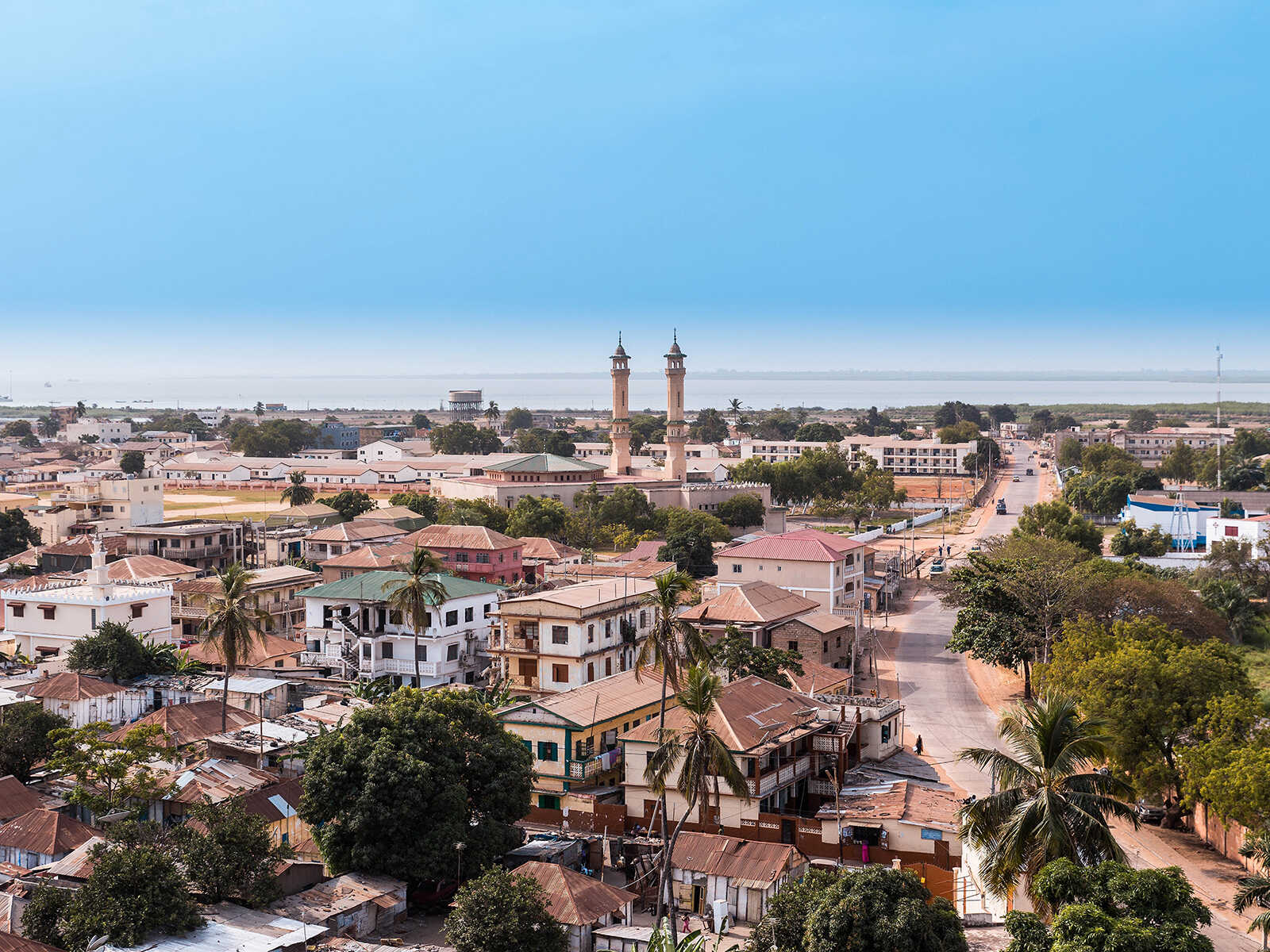
Getting Around Gambia: Your Guide to Transportation Options
Navigating the vibrant landscapes of The Gambia is an essential part of any visit, offering a unique blend of practicality and cultural immersion. From bustling city streets to tranquil riverways, understanding the local transportation options will enhance your journey. This guide provides a comprehensive overview to help you travel safely and efficiently across the Smiling Coast of Africa.
Arriving in Gambia: From the Airport
Most international visitors arrive at Banjul International Airport (BIA), located near Yundum, approximately 20-30 minutes from the main tourist areas like Kololi, Kotu, and Bakau. Upon arrival, you'll find various transportation choices to reach your accommodation.
- Airport Taxis:Official airport taxis are readily available. It's advisable to agree on a fare before starting your journey. These are generally comfortable and a good option for direct transfers.
- Hotel Transfers:Many hotels and tour operators offer pre-arranged airport transfers, which can be a convenient and stress-free option, especially for first-time visitors.
Navigating Urban and Coastal Areas
The coastal strip, home to popular destinations like Kotu Beach, Kololi, and Bakau, offers a range of options for getting around, each with its own charm and utility.
Taxis: The Ubiquitous Choice
Taxis are perhaps the most common mode of transport for tourists in The Gambia. You'll encounter two main types:
- Green Taxis:Easily identifiable by their green license plates, these are primarily for tourists and are often found near hotels and popular attractions. Drivers are usually English-speaking and knowledgeable about tourist destinations such as Kachikally Crocodile Pool or Bijilo National Park. Fares should always be negotiated before you begin your journey.
- Yellow/White Taxis (Local Taxis):These have yellow or white license plates and cater more to locals. While often cheaper, they might require more assertive bargaining skills and may not always speak English. They are a good option for shorter distances within towns.
Tip:Always confirm your destination and agree on the fare upfront. Don't be afraid to negotiate politely but firmly. Having small denominations of the local currency (Dalasi) is also helpful.
'Gele-Geles' (Bush Taxis): The Local Experience
For an authentic and economical Gambian experience, hop aboard a 'Gele-Gele' or bush taxi. These are typically shared vans or minibuses that follow fixed routes, picking up and dropping off passengers along the way. They are incredibly popular with locals for daily commutes and offer a fascinating glimpse into Gambian life.
- Routes:Gele-Geles cover a wide network, connecting towns and villages. Ask a local or your accommodation staff for popular routes.
- Cost:They are significantly cheaper than private taxis, making them ideal for budget-conscious travelers.
- Experience:Be prepared for a crowded but often lively ride. It's a great way to interact with locals, even if only through smiles and gestures.
'Nawettan' (Shared Taxis): A Step Up from Gele-Geles
Similar to gele-geles but often in standard saloon cars, 'Nawettan' taxis also operate on fixed routes. They offer a slightly more comfortable and often quicker journey than gele-geles, though they are still shared. You'll typically find them at designated taxi ranks or simply flag them down if they have space.
Car Rentals: Freedom on Four Wheels
Renting a car offers the ultimate freedom to explore at your own pace. Several rental agencies operate in The Gambia, including international brands and local companies.
- Vehicle Type:A 4x4 vehicle is highly recommended, especially if you plan to venture off the main paved roads or explore more remote areas like the road to Wassu Stone Circles or towards River Gambia National Park.
- Driving Conditions:Roads outside the Greater Banjul Area can be unpaved and challenging. Driving at night is generally not advised due to poor lighting and unexpected obstacles.
- Documentation:An international driving permit is usually required in addition to your national license.
Motorbikes and Bicycles: For the Adventurous
While less common for tourists, motorbikes and bicycles can be rented in some areas, particularly around tourist hubs. They offer an exhilarating way to explore local neighborhoods or nearby natural attractions like Abuko Nature Reserve or Bijilo National Park at a leisurely pace. Always prioritize safety: wear a helmet, drive defensively, and be aware of unpredictable road conditions.
Exploring Beyond the Coast: River and Rural Travel
The Gambia River is the country's lifeblood, and traveling on it offers unique perspectives and access to inland regions.
The River Gambia: A Lifeline
The Gambia River provides crucial transportation links, especially for accessing the country's interior.
- Banjul-Barra Ferry:The most well-known river crossing is the ferry connecting the capital, Banjul, on the south bank, to Barra on the north bank. This bustling journey is an experience in itself, offering views of the Atlantic and the river mouth.
- Pirogues and Boat Tours:For accessing specific riverine attractions, smaller boats or 'piroques' are used. Many tour operators offer excursions upriver, often including visits to cultural sites or natural wonders like Kunta Kinteh Island or the diverse ecosystems of River Gambia National Park.
- River Cruises:Longer, multi-day river cruises are also available, providing a comfortable way to explore the heart of The Gambia.
Long-Distance Bush Taxis/Coaches
For travel between major towns further inland, beyond the coastal strip, long-distance bush taxis or coaches are available. These depart from designated garages in larger towns and offer a more direct, though often less comfortable, journey than local gele-geles. They are a practical option for reaching places like Georgetown (Janjanbureh).
Unique & Experiential Transportation
Horse and Cart / Donkey Cart
In many rural areas and even some smaller towns, horse-drawn or donkey-drawn carts are common for transporting goods and people over short distances. While not typically a primary tourist transport method, some cultural tours to places like Makasutu might incorporate a cart ride for a truly local flavor.
Walking: The Best Way to See Local Life
For short distances within towns, exploring markets, or enjoying nature, walking is often the best choice. It allows you to immerse yourself in the local atmosphere, greet people, and discover hidden gems. Walking is ideal for exploring areas like the vicinity around Arch 22 in Banjul, or within wildlife areas such as Abuko Nature Reserve or Bijilo National Park.
Essential Transportation Tips for Travelers
- Bargain Respectfully:Haggling for taxi fares is standard practice. Do so with a smile and good humor.
- Safety First:For longer journeys or at night, it's often safer and more comfortable to use a reputable green tourist taxi or pre-arranged transport.
- Confirm Destination:Clearly state your destination to the driver before setting off to avoid misunderstandings.
- Small Bills:Always carry small denominations of the Gambian Dalasi for easy payment, especially for shared taxis and local vendors.
- Ask for Local Advice:Don't hesitate to ask your hotel staff or trusted locals for advice on routes, fares, and reliable drivers.
- Be Patient:Gambian life operates at a different pace. Be prepared for potential delays, especially with shared transport, and embrace the experience.
Getting around The Gambia is an adventure in itself. By understanding your options and embracing the local way of life, you'll uncover the true spirit of this welcoming West African nation, making your travels both practical and profoundly memorable.