
Gambia Culture & Traditions: What Travelers Need to Know
The Gambia, often called the 'Smiling Coast of Africa,' offers more than just sun-drenched beaches; it's a vibrant tapestry woven with rich traditions, diverse ethnicities, and a profound sense of community. Understanding Gambian culture is key to unlocking an authentic and unforgettable travel experience, allowing you to connect deeper with its people and heritage.
A Tapestry of Ethnicities and Languages
Gambia is a melting pot, home to numerous ethnic groups, each contributing unique customs, languages, and histories to the national identity. The predominant groups include the Mandinka, Fula (or Fulani), Wolof, Jola, Serahule, Serer, and Manjago. While each group maintains distinct traditions, they coexist harmoniously, creating a vibrant cultural mosaic.
- Mandinka:The largest group, known for their rich oral history, preserved by griots (storytellers and musicians).
- Fula:Often nomadic or semi-nomadic, celebrated for their elaborate jewelry and intricate hairstyles.
- Wolof:Predominant in urban areas, with a reputation for sharp fashion and lively music.
- Jola:Residing primarily in the Foni regions, known for their traditional farming practices and unique initiation rites.
While each group speaks its own language, English is the official language, making communication relatively easy for travelers. However, learning a few basic phrases in Wolof or Mandinka, such as "Salaam alaikum" (hello) or "Jerejef" (thank you), will always be met with appreciation.
The Warmth of 'Teranga': Gambian Hospitality
One of the most defining characteristics of Gambian culture, and indeed West African culture, is its unparalleled hospitality, often referred to as 'Teranga' in the Wolof language. Visitors are frequently welcomed as extended family, invited to share meals, and offered assistance without expectation of reward. This deep-seated generosity is a cornerstone of daily life.
Tip for Travelers:Embrace invitations to share tea or a meal. It's a sign of genuine welcome and a wonderful way to experience local life. A small, thoughtful gift in return (like fruit or a non-monetary token) can be a kind gesture, though never expected.
Faith and Community: Islam's Influence
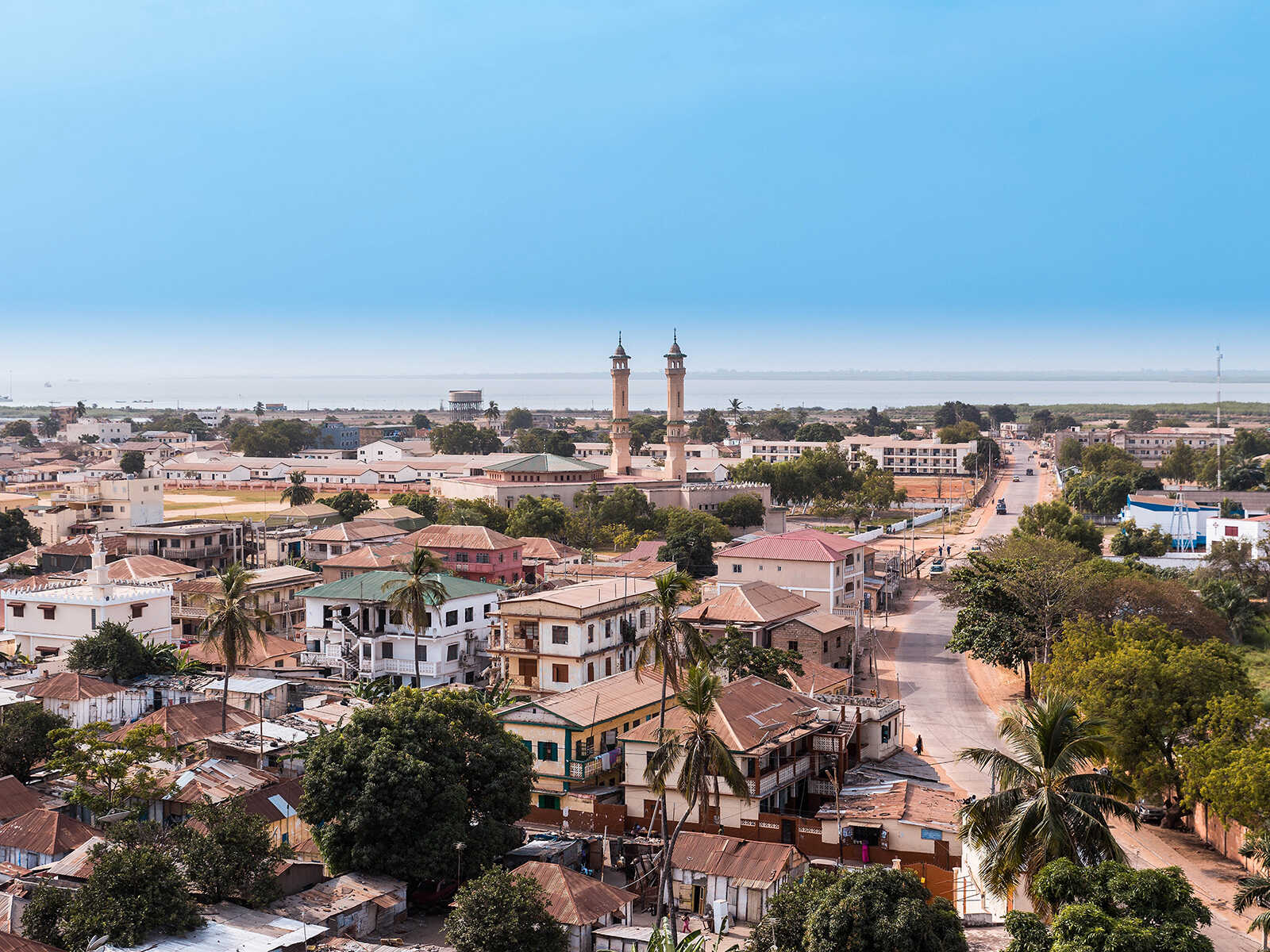
Islam is the predominant religion in The Gambia, with a significant Christian minority, and both faiths coexist peacefully. The Islamic calendar dictates many public holidays and influences daily routines, including the five daily prayers. Mosques are central community hubs, and visitors will hear the call to prayer echoing through towns and villages.
Respect for religious practices is paramount. During the holy month of Ramadan, many locals fast from dawn till dusk. While tourist services generally operate as usual, it's a time for quiet reflection, and eating or drinking publicly during fasting hours should be done discreetly. Religious festivals like Eid al-Fitr and Eid al-Adha are vibrant celebrations marked by communal prayers, feasts, and visiting family.
Family Values and Social Structure
Family is at the core of Gambian society. Extended families often live together, fostering strong intergenerational bonds. Elders are highly respected, and their wisdom is cherished. Children are raised communally, with neighbors and relatives playing a role in their upbringing. This strong communal spirit extends beyond the family, creating tight-knit communities where people look out for one another.
Music, Dance, and Storytelling: The Heartbeat of Gambia
Gambia pulsates with rhythmic energy. Music and dance are integral to daily life and celebrations, serving not only as entertainment but also as a means of preserving history, communicating social values, and expressing emotions.
- Griots:These hereditary bards are the custodians of oral tradition, history, and genealogies. Accompanied by instruments like thekora(a 21-string harp-lute) orbalafon(a type of xylophone), griots recount epic tales, sing praises, and provide social commentary. Experiencing a live griot performance is a profound cultural immersion.
- Traditional Instruments:Beyond the kora and balafon, you'll encounter thesabar(drum),jembe, and various stringed instruments, each with its unique sound and role in traditional music.
- Dance:From energetic celebratory dances to more ritualistic movements, dance is a powerful form of expression, often performed at weddings, naming ceremonies, and other community gatherings.
You might encounter these vibrant traditions at cultural centers like Makasutu, or during local festivals.
Traditional Cuisine: A Flavorful Journey
Gambian cuisine is a delicious blend of West African flavors, rich in fresh produce, fish, and often a hearty dose of spice. Meals are typically communal, served in large shared platters, eaten with the right hand.
- Common Dishes:
- Domoda:A rich peanut stew, often with meat (chicken, beef, or lamb) and vegetables, served with rice. A must-try!
- Benachin:Translates to "one pot" – a savory dish of rice cooked with fish or meat and various vegetables (cassava, carrots, eggplant).
- Yassa:A tangy dish featuring chicken or fish marinated in lemon juice and onions, then simmered to perfection.
- FufuorEba:Mashed cassava or yam, often served with a flavorful soup or stew.
- Eating Etiquette:Always wash your hands before and after eating. If sharing a communal dish, use your right hand to scoop food from the portion directly in front of you.
Dress Code and Etiquette: Respectful Interactions
Understanding local customs regarding dress and behavior will ensure respectful and comfortable interactions.
- Dress:While The Gambia is relatively relaxed, modest dress is appreciated, especially when visiting villages, religious sites, or during formal occasions. For women, covering shoulders and knees is advisable. For men, shorts are generally acceptable in tourist areas, but trousers are more appropriate in formal settings or religious sites. When visiting places like Kachikally Crocodile Pool, which holds cultural significance, dressing respectfully is key.
- Greetings:A handshake is customary, often followed by asking about family. Always greet elders with respect.
- Bargaining:In markets, like the ones near Arch 22 in Banjul or local stalls around Kotu Beach, bargaining is expected and part of the cultural exchange. Do so politely and with a smile.
- Photography:Always ask for permission before photographing people, especially children, to show respect for their privacy.
Engaging with Gambian Culture
Beyond observing, there are many ways to immerse yourself:
- Visit Local Markets:Experience the vibrant sights, sounds, and smells, and interact with vendors.
- Attend a Ceremony:If invited to a wedding, naming ceremony, or other celebration, accept graciously. These are joyful, communal events.
- Explore Historical Sites:Delve into the country's past at sites like Kunta Kinteh Island, a UNESCO World Heritage site, or the ancient Wassu Stone Circles.
- Nature and Culture:Places like Abuko Nature Reserve and Bijilo National Park offer insights into how local communities coexist with and value their natural environment. Even the sacred crocodiles at Kachikally Crocodile Pool are deeply entwined with local belief systems. A trip upriver to River Gambia National Park also offers glimpses into traditional riverside life.
The Gambia's culture is a profound blend of warmth, tradition, and resilience. By approaching your journey with an open mind and a willingness to engage respectfully, you'll discover why its people truly earn the moniker of the 'Smiling Coast.'