
Exploring Banjul: Top Things to Do in Gambia's Capital City
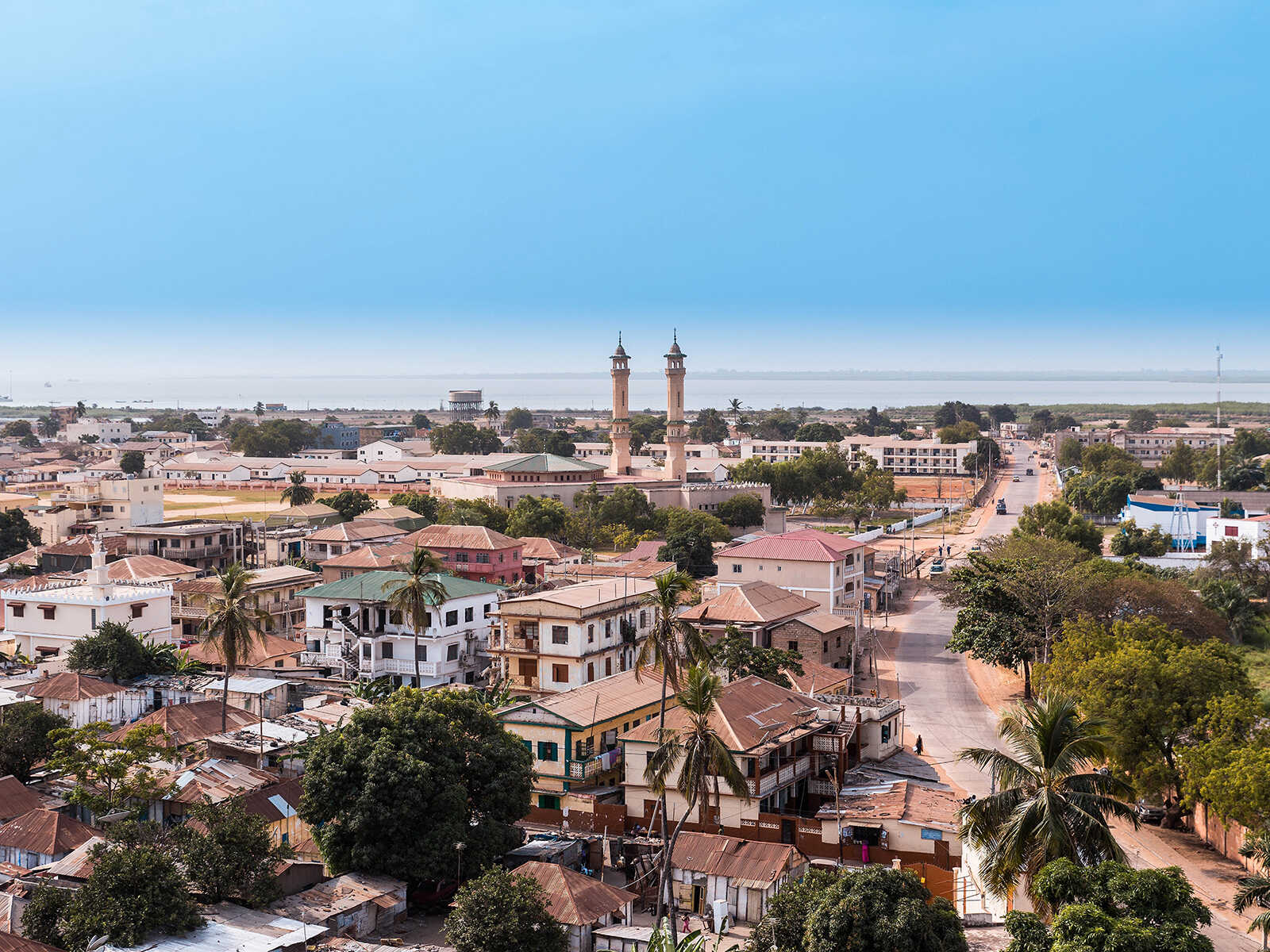
Banjul, The Gambia's vibrant capital, is a fascinating blend of history, culture, and natural beauty. Nestled on St. Mary's Island where the Gambia River meets the Atlantic, this bustling city offers travelers an authentic glimpse into West African life.
From its colonial architecture and bustling markets to its historical landmarks and nearby nature reserves, Banjul serves as an engaging starting point for any Gambian adventure. Here’s a guide to the top things to see and do in this captivating capital.
A Glimpse into History and Culture
Banjul's relatively small size belies its rich history and cultural significance. The city offers several key sites that tell the story of The Gambia.
Arch 22: The Gateway to Banjul
Standing proudly at the entrance to Banjul,Arch 22 is an iconic landmark commemorating the 1994 coup d'état. This imposing archway offers panoramic views of the city, the river, and the Atlantic Ocean from its upper platforms, making it an excellent spot for photographers and history enthusiasts alike. Inside, a small museum provides context on Gambian history and culture.
Did you know?Arch 22 is 35 meters tall, and its three floors house a textile museum, a photograph gallery, and a balcony offering breathtaking 360-degree views of Banjul.
The National Museum of The Gambia
For a deeper dive into Gambian heritage, the National Museum is a must-visit. Located near the State House, it showcases an impressive collection of archaeological artifacts, historical documents, and ethnographic exhibits. Visitors can learn about the country’s diverse ethnic groups, traditional crafts, and its journey from colonial rule to independence.
Albert Market: A Sensory Overload
While often categorized under 'market life,' Albert Market is also a cultural institution, bustling with activity since its establishment in the mid-19th century. Beyond shopping, it's a place to observe daily Gambian life, witness traditional bartering, and soak in the vibrant atmosphere. From intricate carvings to colorful fabrics, the market is a treasure trove of Gambian artistry.
King Fahad Mosque
The impressive King Fahad Mosque, with its towering minarets, is a prominent feature of Banjul's skyline. While non-Muslims may not enter the prayer hall during services, its stunning architecture and peaceful surroundings are worth admiring from the outside. It stands as a testament to the strong Islamic faith practiced by a majority of Gambians.
Market Life and Local Flavors
No visit to Banjul is complete without immersing yourself in the lively market scene and sampling the local cuisine.
Experience the Bustle of Albert Market
Wander through the narrow aisles of Albert Market, where vendors sell everything from fresh produce, fish, and spices to clothing, electronics, and souvenirs. The vibrant colors, aromatic smells, and lively chatter create an unforgettable experience. It's an ideal place to practice your bargaining skills and pick up unique mementos.
Savor Gambian Cuisine
Banjul offers numerous opportunities to taste authentic Gambian dishes. Look for local eateries serving staples likeDomoda(peanut stew),Yassa(chicken or fish in onion and lemon sauce), andBenechin(one-pot rice and vegetable dish). Freshly caught seafood is also a highlight, often grilled to perfection. Don't forget to try some fresh fruit juices or a glass of bissap (hibiscus drink).
Nature and Relaxation Near the City
Despite being a capital city, Banjul is surprisingly close to some excellent natural attractions, offering a peaceful escape from the urban hustle.
Bijilo National Park (Monkey Park)
Just a short drive from Banjul,Bijilo National Park, affectionately known as 'Monkey Park,' is a small but charming reserve. Visitors can walk along well-maintained trails and encounter various monkey species, including vervet monkeys and patas monkeys, often happy to interact (though feeding is discouraged). It's a fantastic spot for a relaxed nature walk and birdwatching.
Kachikally Crocodile Pool
A unique cultural and wildlife experience awaits at the Kachikally Crocodile Pool in Bakau, just outside Banjul. This sacred pool is home to dozens of Nile crocodiles, many of which are surprisingly docile and can be touched (under strict supervision). The site also features a small museum detailing local traditions and the significance of the crocodiles to the community.
Coastal Serenity at Nearby Beaches
While Banjul itself doesn't have sprawling beaches directly in the city center, the wider coastal area offers beautiful stretches of sand. Heading west, you'll find popular spots like Kotu Beach, known for its golden sands, gentle waves, and array of beachside restaurants and resorts. These beaches are perfect for relaxation, sunbathing, or enjoying a picturesque sunset.
Abuko Nature Reserve
For a more extensive wildlife experience,Abuko Nature Reserve is a short drive from Banjul. As The Gambia's first designated wildlife reserve, it's a haven for birdwatchers, with over 250 species recorded. You can also spot monkeys, antelopes, and various reptiles in its lush forest environment.
Beyond Banjul: Day Trips and Excursions
Banjul serves as an excellent base for exploring more of The Gambia's rich history and natural wonders through convenient day trips.
Kunta Kinteh Island (formerly James Island)
A poignant journey up the Gambia River leads to Kunta Kinteh Island, a UNESCO World Heritage Site. This small island played a crucial role in the transatlantic slave trade, and its ruins serve as a powerful reminder of a dark period in history. Boat trips to the island often include stops at other historical sites along the river, such as the village of Albreda, offering a comprehensive historical perspective.
Makasutu Culture Forest
Embark on an immersive cultural and ecological experience at Makasutu. This private nature reserve offers guided walks through different ecosystems, canoeing on the Mandina Bolong, birdwatching, and cultural encounters with local villagers demonstrating traditional crafts and music. It’s a fantastic way to connect with Gambian nature and tradition.
Exploring the River Gambia
The Gambia River is the lifeblood of the country, and exploring it offers unique perspectives. Consider a boat trip to spot diverse birdlife and perhaps even hippos further upriver, especially towards destinations like River Gambia National Park(though this is typically a multi-day trip, shorter river excursions are possible from Banjul).
Wassu Stone Circles
For those fascinated by ancient history, a longer day trip (or overnight stay) can be made to the Wassu Stone Circles, another UNESCO World Heritage Site. These mysterious megalithic circles, dating back over a thousand years, offer a glimpse into the ancient cultures of West Africa. It's a significant journey but incredibly rewarding for history buffs.
Practical Tips for Visiting Banjul
- Getting Around:Taxis and 'bush taxis' (shared minibuses) are the primary modes of transport. Agree on a fare before starting your journey.
- Language:English is the official language, widely spoken in tourist areas. Learning a few local phrases, like "Salaam alaikum" (peace be upon you) and "Na ka nga def" (how are you) in Wolof, is always appreciated.
- Currency:The local currency is the Gambian Dalasi (GMD).
- Safety:Banjul is generally safe, but like any city, it's wise to be aware of your surroundings, especially at night. Keep valuables secure and avoid walking alone in poorly lit areas.
- Respectful Travel:Dress modestly, especially when visiting religious sites or local communities. Always ask permission before taking photos of people.
- Best Time to Visit:The dry season (November to May) offers pleasant weather with less humidity, making it ideal for exploring.
Banjul, with its blend of historical depth, cultural vibrancy, and proximity to natural beauty, offers a compelling experience for any traveler. Whether you're delving into its past, haggling at its markets, or spotting monkeys in a nearby park, Gambia's capital is ready to welcome you with open arms.