
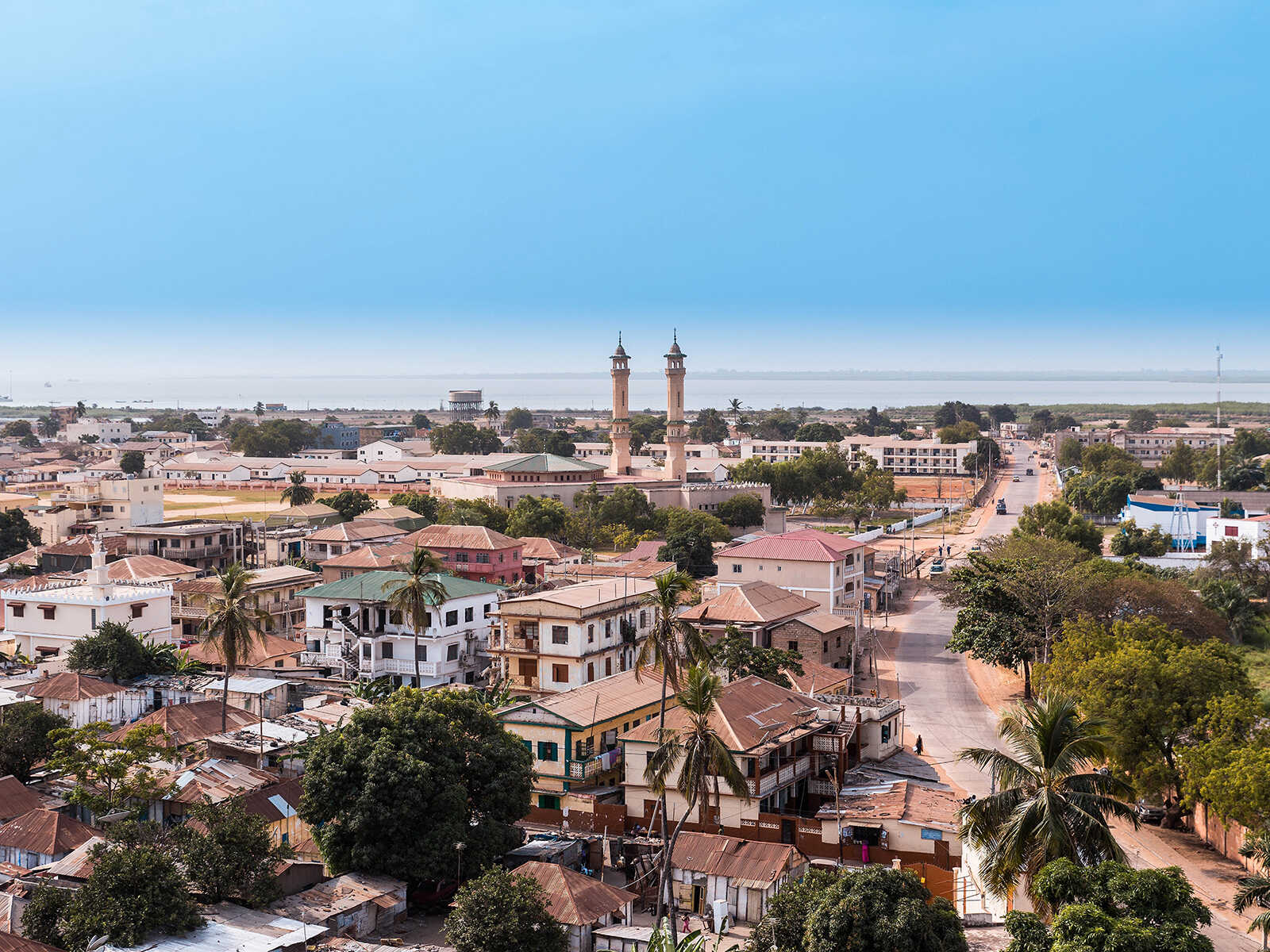
Best Time to Visit Gambia: Weather & Seasonal Highlights
The Gambia, West Africa’s smallest nation, is a captivating destination renowned for its golden beaches, vibrant culture, and abundant wildlife. Understanding its distinct weather patterns and seasonal highlights is key to planning your perfect trip, whether you dream of sun-soaked relaxation or adventurous exploration. Let's delve into the best times to experience the "Smiling Coast of Africa."Understanding Gambia's Climate: Two Distinct Seasons
Gambia experiences a tropical climate characterized by two primary seasons: the dry season and the rainy (or green) season. Each offers a unique perspective on the country, influencing everything from daily activities to the landscape itself.The Dry Season: October to June (Peak Tourist Season)
The dry season is overwhelmingly the most popular time to visit Gambia, drawing visitors with its consistent sunshine, lower humidity, and pleasant temperatures. This period is ideal for beach holidays, wildlife viewing, and exploring the country's rich cultural tapestry.October to December: The Start of the Dry Season
As the last rains subside in October, the landscape begins its transformation from lush green to a drier, golden hue. Temperatures are warm but comfortable, typically ranging from the mid-20s to low 30s Celsius (70s-90s Fahrenheit). Humidity drops significantly, making for very pleasant conditions. This is an excellent time for those looking to escape colder climates and enjoy the beaches, like the popular Kotu Beach, or begin exploring nature reserves as the wildlife becomes more active.
Birdwatching starts to pick up as migratory species begin to arrive, joining the resident populations. Places like Abuko Nature Reserve and Bijilo National Park offer fantastic early-season opportunities to spot a diverse array of birdlife and monkeys.
January to March: Peak Dry Season & Coolest Months
These months represent the heart of the dry season and are widely considered the absolute best time to visit Gambia. The weather is consistently sunny, with virtually no rain and very low humidity. Daytime temperatures are warm, often peaking in the low 30s Celsius (80s Fahrenheit), but evenings are delightfully cooler, making for comfortable sleeping conditions. This period is perfect for all types of activities.
It's an ideal time for river excursions to places like Kunta Kinteh Island and exploring the River Gambia National Park, where wildlife spotting, including hippos and crocodiles, is excellent as animals congregate around diminishing water sources. Cultural sites such as the ancient Wassu Stone Circles are easily accessible, and city explorations to landmarks like Arch 22 or the quirky Kachikally Crocodile Pool are very comfortable.
Travel Tip:January and February are the busiest months. If you plan to travel during this time, it's advisable to book your flights and accommodation well in advance, especially for popular beachfront resorts.
April to June: Transition to Heat
As the dry season progresses into April, temperatures begin to rise, often reaching the mid to high 30s Celsius (90s Fahrenheit) and sometimes even higher. Humidity also starts to increase as the country transitions towards the rainy season. While still sunny, the heat can be intense, especially in May and June. However, this period can offer a good balance for those who enjoy higher temperatures and fewer crowds.
Beach holidays remain popular, with the sea offering a refreshing escape from the heat. This can be a more relaxed time to visit, with fewer tourists and potentially more competitive prices for some accommodations and activities. Early mornings and late afternoons are the best times for outdoor excursions.
The Rainy (Green) Season: July to September (Off-Peak)
While often overlooked by mainstream tourism, the rainy season offers a vastly different, yet equally captivating, experience in Gambia. This period is characterized by lush green landscapes, incredible birdwatching, and a more authentic, uncrowded atmosphere.July to September: Lush Landscapes & Fewer Crowds
During these months, Gambia receives the majority of its annual rainfall. However, this doesn't mean continuous downpours. Typically, rain comes in heavy but short bursts, often in the late afternoon or overnight, leaving plenty of sunshine during the day. Temperatures remain warm, in the high 20s to low 30s Celsius (80s Fahrenheit), but humidity is significantly higher, making it feel warmer.
The landscape transforms into a vibrant, verdant paradise, truly earning its moniker "the green season." This is an unparalleled time for serious birdwatchers, as resident species are in their breeding plumage and the scenery provides a stunning backdrop for photography. Nature spots like Abuko Nature Reserve and the beautiful ecotourism park of Makasutu are particularly stunning with their rejuvenated flora.
Consider This:While some smaller, unpaved roads might become challenging during heavy rains, main routes remain accessible. Fewer tourists mean a more intimate experience with local culture and often better deals on accommodation.
While beach activities are still possible, the higher humidity and occasional showers might make them less appealing for some. However, the dramatic skies and the powerful ocean swells offer a different kind of beauty. For those seeking a unique, authentic, and budget-friendly Gambian experience, the green season is a hidden gem.
Seasonal Highlights & What to Consider
- Birdwatching:While excellent year-round, the dry season (November-April) is prime for migratory species, while the green season (July-September) showcases resident birds in their breeding finery and lush surroundings.
- Beach Holidays:The dry season, particularly from November to March, offers the most consistent sun and comfortable temperatures for relaxing on Gambia's beautiful coastline.
- Wildlife Viewing:The dry season makes wildlife spotting easier as animals congregate around fewer water sources and vegetation is sparser. River safaris on the Gambia River are particularly rewarding during this time.
- Cultural Experiences:Festivals and events often occur during the cooler, dry season months, making it easier to participate in outdoor celebrations. However, authentic cultural interactions are possible year-round.
- Photography:The dry season offers clear, bright skies and golden light. The green season provides dramatic cloud formations, vibrant colors, and unique atmospheric shots.
When is the Absolute Best Time for You?
The "best" time truly depends on your priorities:
- Forideal beach weather and general sightseeingwith minimal rain:November to March.
- Forserious birdwatchingwith diverse species:November to Aprilfor migrants, orJuly to Septemberfor resident breeders and lush scenery.
- Forbudget travelers and those seeking an authentic, less crowded experienceamidst vibrant green landscapes:July to September.
- Foravoiding the peak season crowdswhile still enjoying good weather:October, April, and Mayare excellent shoulder months, though May can be quite hot.
Conclusion
Gambia truly is the "Smiling Coast," offering warmth and hospitality regardless of the season. Whether you prefer the sun-drenched beaches and bustling atmosphere of the dry season or the verdant tranquility and rich birdlife of the green season, this West African jewel promises an unforgettable adventure. Plan your visit according to your preferences, and prepare to be enchanted by all that Gambia has to offer.