
Safe Travel in Fiji: Essential Tips for a Worry-Free Trip
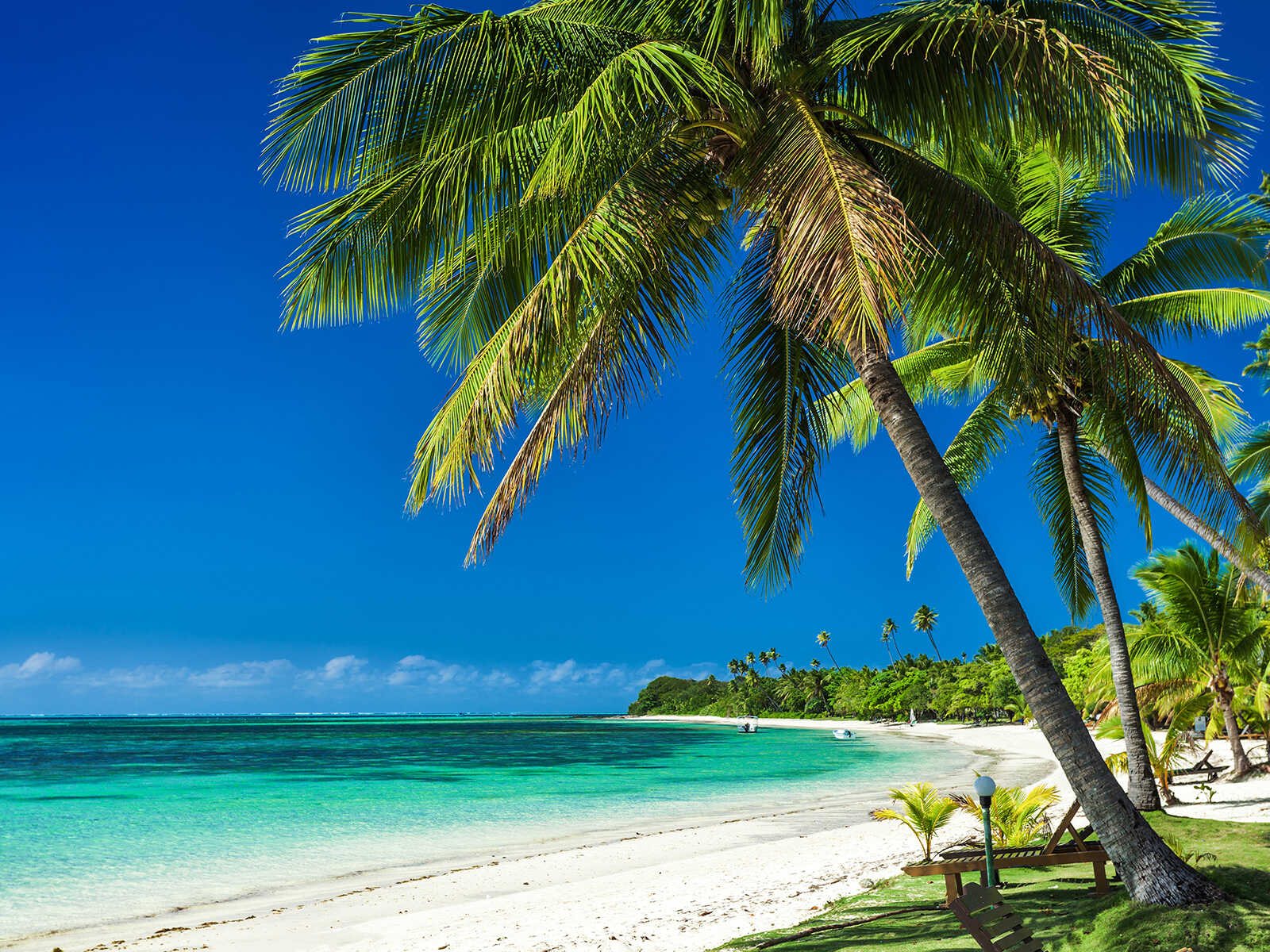
Fiji, with its pristine beaches, vibrant coral reefs, and incredibly warm culture, is a dream destination for many. While generally a safe and welcoming country, a truly worry-free vacation comes with a bit of preparation and awareness. By understanding local customs and taking sensible precautions, you can fully immerse yourself in the magic of Fiji.
General Safety & Awareness
Fiji boasts a reputation as a safe and friendly destination, and for good reason. The "Bula" spirit of warmth and hospitality is genuine. However, like any travel destination, it's wise to be mindful of your surroundings, especially in urban areas and tourist hotspots.
- Petty Crime:While violent crime against tourists is rare, petty theft can occur, particularly in crowded markets or bus stations in larger towns like Nadi or Suva. Keep an eye on your belongings, avoid flashing expensive items, and consider using a money belt.
- Night Safety:Exercise caution when walking alone at night, especially in dimly lit areas. It's always safer to travel in groups or use reputable taxis.
- Respect Local Customs:Fijian culture is deeply respectful. Dressing modestly when visiting villages or religious sites, like the Sri Siva Subramaniya Temple in Nadi, shows respect. Always ask for permission before taking photos of people.
- Kava Protocol:Participating in a kava ceremony is a memorable cultural experience. Remember that kava can have a mild sedative effect, so consume responsibly. If invited to a village, a small gift (sevusevu) of kava root is a traditional sign of respect.
Health & Medical Preparedness
Prioritizing your health is paramount for an enjoyable trip. A little foresight can prevent common travel ailments.
- Travel Insurance:This is non-negotiable. Ensure your policy covers medical emergencies, evacuations, and any activities you plan to undertake, such as diving or hiking.
- Vaccinations:Consult your doctor well in advance of your trip for advice on routine vaccinations and any specific recommendations for Fiji.
- Mosquito-Borne Diseases:Dengue fever and Zika virus are present in Fiji. Protect yourself by using insect repellent, wearing long sleeves and pants, especially at dawn and dusk, and staying in accommodations with screened windows or mosquito nets.
- Sun Protection:The Fijian sun is intense. Use high-SPF sunscreen, wear a wide-brimmed hat, sunglasses, and seek shade during peak hours (10 am - 4 pm). Sunburn can quickly ruin your vacation.
- Hydration:Drink plenty of water to prevent dehydration, especially when active.
- Water Safety:While tap water in major resorts and cities is generally treated, it's often advisable to stick to bottled water or filtered water, especially when venturing out to smaller islands or remote areas like Dravuni Island or Yasawa Island.
- Food Safety:Be cautious with street food or food from unhygienic vendors. Opt for freshly cooked meals and peeled fruits.
- Basic First Aid Kit:Pack essentials like pain relievers, antiseptic wipes, bandages, motion sickness medication, and any personal prescriptions.
Tip:Always carry a small bottle of hand sanitizer. Good hand hygiene is your first line of defense against many common travel illnesses.
Water & Outdoor Activities Safety
Fiji is synonymous with water activities. Enjoying the ocean safely is crucial.
- Swimming & Snorkeling:Be aware of currents, especially around reefs or open water. Always swim with a buddy and never underestimate the ocean's power. Check with locals or your resort about safe swimming areas. Many resorts on islands like Malamala Island or Tivua Island offer supervised swimming.
- Diving & Surfing:Only use reputable operators with certified instructors and well-maintained equipment. Ensure you are within your skill level. For advanced diving, consider specific safety precautions when exploring the renowned waters around Beqa Island.
- Boating & Ferries:When traveling between islands, choose licensed operators. Always know where life jackets are stored and how to use them.
- Hiking & Exploring:If exploring national parks like Colo-i-Suva Forest Park or venturing to sites like Sigatoka Sand Dunes National Park, wear appropriate footwear, carry water, and inform someone of your plans. Guided tours are often recommended for longer treks, such as the Lavena Coastal Walk or visits to Tavoro Falls.
- Marine Life:Admire marine life from a distance. Avoid touching coral, as it can be sharp and delicate. Be aware of potentially harmful creatures like stonefish or jellyfish, though encounters are rare.
Transportation Safety
Navigating Fiji's transport options requires a bit of local knowledge.
- Taxis:Use licensed taxis (often metered, but confirm fare before starting longer journeys). They are generally safe and readily available in urban areas.
- Buses:A budget-friendly way to travel, buses offer a glimpse into local life. While generally safe, they can be crowded and lack air conditioning.
- Rental Cars:Driving is on the left-hand side. Roads can be narrow, unpaved, and poorly lit outside major towns. Drive defensively, especially at night, and be mindful of pedestrians and livestock. A 4x4 might be beneficial if you plan to explore rugged areas.
- Inter-Island Travel:Reputable ferry and boat services connect the main islands. For smaller island resorts or day trips to places like Robinson Crusoe Island, resort-operated transfers are usually the safest bet.
Financial & Personal Security
Protecting your valuables and identity is key to a stress-free holiday.
- Money Management:ATMs are available in larger towns. Use major credit cards, but also carry some Fijian dollars for smaller purchases or local markets. Avoid carrying large sums of cash.
- Secure Valuables:Utilize hotel safes for passports, extra cash, and expensive jewelry. When out, carry only what you need.
- Document Copies:Keep photocopies or digital copies of your passport, visa, and important travel documents separate from the originals.
- Emergency Contacts:Have a list of emergency contacts, including your embassy or consulate, and family members.
Cultural Sensitivity & Respect
The warmth of the Fijian people is legendary. Showing respect for their culture will enrich your experience immeasurably.
- "Bula!":This universal greeting means "hello," "welcome," and even "health." Use it often!
- Dress Code:When visiting a Fijian village or a religious site, dress modestly. Women should cover their shoulders and knees. Hats and sunglasses should be removed when entering a village or someone's home.
- Head Respect:The head is considered sacred in Fijian culture. Avoid touching a Fijian's head.
- Sevusevu:If invited into a village, it's customary to present a gift of kava root to the village chief. Your resort or tour guide can often help arrange this.
- Language:Learning a few basic Fijian phrases beyond "Bula" (e.g., "Vinaka" for thank you) will be greatly appreciated.
Exploring cultural sites like the Tavuni Hill Fort or historical towns like Levuka offers a deeper insight into Fiji's rich heritage, and observing local customs enhances these experiences.
Emergency Contacts & Resources
Knowing who to call in an emergency provides peace of mind.
- Police:917
- Ambulance/Fire:911
- Your Embassy/Consulate:Keep their contact details handy.
- Local Authorities:Your resort or guesthouse staff are excellent resources for local advice and assistance.
Fiji offers an unparalleled escape, from the lush botanical beauty of the Garden of the Sleeping Giant to the stunning shores of Natadola Beach, or the remote tranquility of Nananu-i-Ra. By taking these essential safety tips to heart, you can relax, explore, and truly savour every moment of your worry-free Fijian adventure. Vinaka vakalevu!