
Fijian Culture & Customs: What Travelers Need to Know
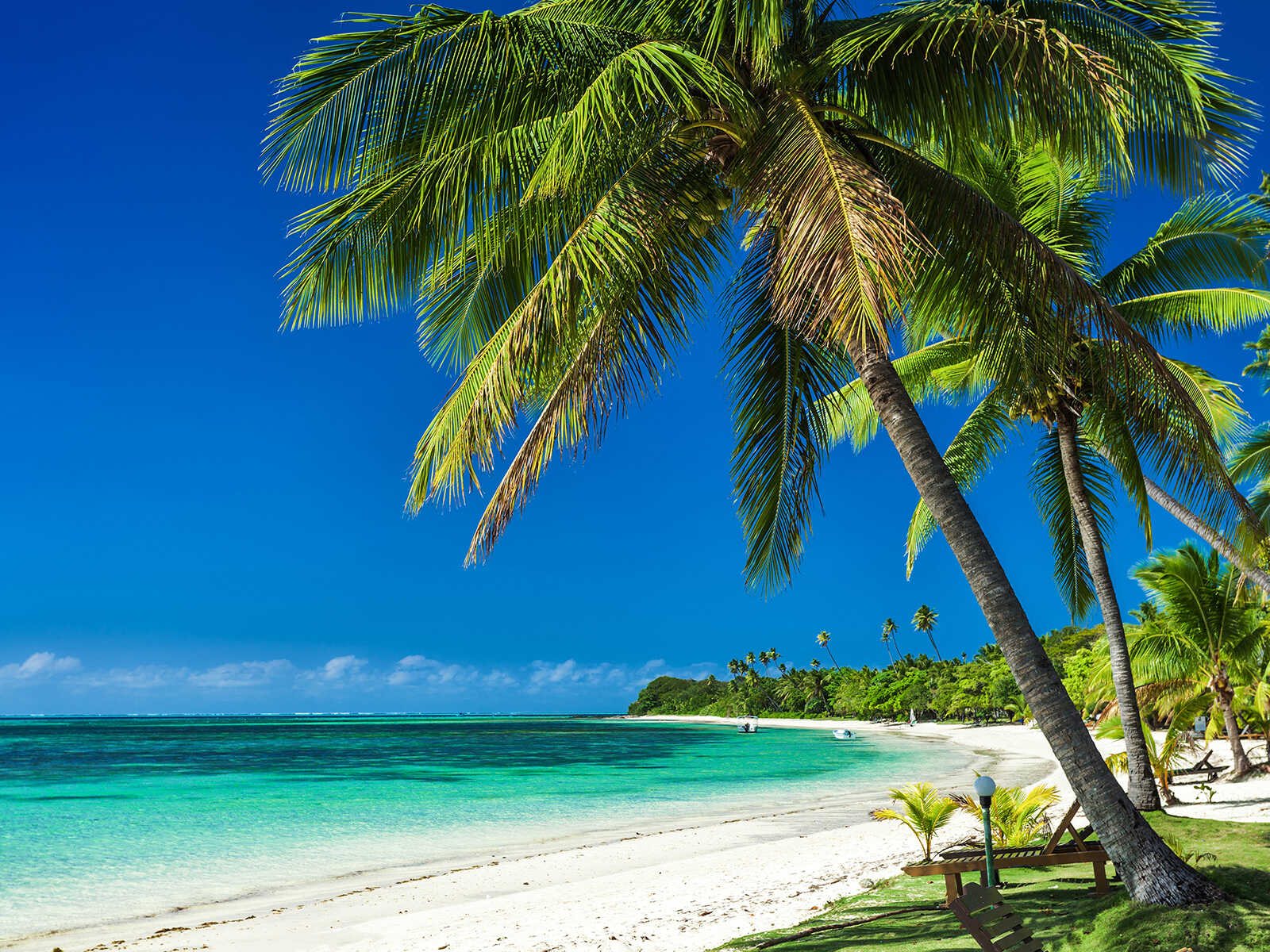
Fiji, a paradise of pristine beaches and turquoise waters, is also home to a vibrant and deeply rooted culture. Understanding and respecting Fijian customs will not only enhance your trip but also foster meaningful connections with the incredibly warm and welcoming local people, known for their unwavering hospitality.
Bula! The Spirit of Fijian Hospitality (Vakaturaga)
The first word you’ll hear upon arrival in Fiji, and countless times thereafter, isBula!More than just a greeting, "Bula" encapsulates the essence of Fijian life – health, happiness, and life itself. It’s a warm invitation into their world, reflecting the core value ofvakaturaga, or respect and dignity. Fijians are renowned for their genuine friendliness and generosity; don't be surprised if strangers offer a helping hand or strike up a friendly conversation. Embrace the relaxed pace, often referred to as "Fiji Time," and allow yourself to slow down and enjoy the moment.
Dress Code Etiquette: Respecting Local Norms
While resort areas are generally relaxed, it's important to dress modestly when visiting villages, towns, or religious sites. This shows respect for local traditions and avoids unintentional offense.
- In Villages and Towns:Women should ensure their shoulders and knees are covered. A sarong (sulu) is perfect for this, easily wrapped around the waist. Men should wear shirts and longer shorts or trousers. Swimwear is strictly for beaches and resort pools, never for public areas or villages.
- Entering Sacred Sites:When visiting places like the Sri Siva Subramaniya Temple in Nadi, or any church, modest attire is essential. Women should cover their heads, and everyone should remove their shoes before entering.
- Hats:It is considered disrespectful to wear a hat in a Fijian village, as it is seen as an affront to the chief. Remove your hat before entering.
Village Visits: A Sacred Experience
Visiting a traditional Fijian village is a privilege and an incredibly enriching experience. Many resorts or local operators can arrange guided village tours, often to places like Robinson Crusoe Island or Dravuni Island, ensuring you understand and respect the protocols.
Seeking Permission (Sevusevu)
Before entering any village, especially those not regularly set up for tourists, it is customary to present a gift ofyaqona(kava root) to the village chief or elder in a ceremony calledsevusevu. Your tour guide will typically handle this, but understanding its significance is key. This act formally requests permission to enter and signifies respect for the community.
"The sevusevu ceremony is more than just a formality; it's a symbolic embrace into the heart of a Fijian community, a gesture of trust and mutual respect."
General Village Etiquette
Once permission is granted, observe these customs:
- Removing Shoes:Always remove your shoes before entering any home, bure (traditional hut), or community building.
- Sitting:Sit on the floor, and avoid pointing your feet at anyone. It's polite for women to sit with their legs crossed.
- Head:The head is considered sacred. Never touch a Fijian's head, even playfully. Do not wear a hat.
- Voice:Keep your voice low and respectful. Loud talking or boisterous behavior is frowned upon.
- Children:Fijian children are often shy but friendly. A simple "Bula!" and a smile go a long way. Always ask parents' permission before taking photos.
The Kava Ceremony (Yaqona): A Cultural Cornerstone
The kava ceremony is perhaps the most iconic Fijian custom. Kava, a mild narcotic drink made from the root of the pepper plant, plays a central role in social gatherings, welcoming ceremonies, and spiritual rituals. If invited to participate, it's an honor.
- The Presentation:The kava root is ground into a powder, mixed with water in a large wooden bowl (tanoa), and strained through a cloth.
- The Offering:A cup (bilo) is filled and offered to the chief or most senior person first.
- Your Turn:When the cup is offered to you, clap once, take the cup, say "Bula!", drink it in one go (or as much as you can manage), then clap three times.
- The Taste:Kava has an earthy, slightly peppery taste and can numb the lips and tongue. It's generally non-alcoholic and provides a relaxing, mild sedative effect.
Participating respectfully is a memorable way to immerse yourself in Fijian culture.
Dining & Food Etiquette
Fijian meals are often communal, emphasizing sharing and togetherness. Traditional dishes likeLovo(food cooked in an underground oven) andKokoda(Fijian ceviche) are staples. While forks and spoons are common, in some informal settings, you might see people eating with their hands. Always wash your hands before and after meals. It's polite to wait for elders to be served before you begin eating.
Language Basics: A Little Goes a Long Way
While English is an official language and widely spoken, especially in tourist areas, learning a few basic Fijian phrases will be greatly appreciated by locals.
- Bula:Hello (and welcome, health, life)
- Vinaka:Thank you
- Moce:Goodbye (pronounced 'moh-thay')
- Io:Yes
- Sega:No
Even a simple "Bula" or "Vinaka" will bring a smile and open doors to warmer interactions.
Tipping in Fiji: Understanding the Practice
Tipping is not traditionally part of Fijian culture, as hospitality is freely given. However, in tourist-oriented businesses, a small gratuity for exceptional service is always appreciated. Many resorts also have a "staff Christmas fund" or a communal tip box, allowing guests to contribute to a fund that is then shared amongst all staff members, which is often preferred.
Historical and Spiritual Sites: Showing Reverence
Fiji's history is rich with tales of ancient warriors and colonial influence. When visiting historical sites like the Tavuni Hill Fort or the colonial heritage town of Levuka, show the same respect as you would in a village. Adhere to any specific guidelines posted and tread lightly, recognizing the significance of these places to Fijian heritage.
Embracing "Fiji Time"
Perhaps the most important custom to embrace is "Fiji Time." This isn't just about things running late; it’s a philosophy that prioritizes relationships and the present moment over strict schedules. Be patient, flexible, and allow yourself to relax into the island rhythm. You’re on vacation, after all!
Engaging with Fijian culture and customs is one of the most rewarding aspects of visiting this incredible nation. By showing respect and an open heart, you'll discover the true magic of Fiji, leaving with memories that extend far beyond its beautiful shores.