
Exploring Fiji's Unique Flora and Fauna: A Nature Lover's Guide
Fiji, an archipelago of over 300 islands in the South Pacific, is a paradise not just for sun-seekers but also for nature enthusiasts. From its vibrant coral reefs to its dense tropical rainforests, Fiji offers an unparalleled opportunity to witness a spectacular array of unique flora and fauna, many of which are found nowhere else on Earth.
A Tapestry of Terrestrial Treasures: Fiji's Flora
Fiji's volcanic origins and isolated geography have fostered an incredible diversity of plant life, boasting a high degree of endemism. Exploring the islands reveals a kaleidoscope of green, punctuated by bursts of tropical color.
Lush Rainforests and Cloud Forests
The interior of Fiji's larger islands, like Viti Levu and Vanua Levu, are blanketed in dense tropical rainforests. These ecosystems are vital, home to towering hardwood trees, intricate fern species, and a myriad of epiphytes. You can immerse yourself in this verdant world at places like Colo-i-Suva Forest Park, where well-maintained trails lead you through a pristine environment filled with exotic trees and medicinal plants used by local communities for centuries.
Orchids and Tropical Blooms
Fiji is renowned for its stunning orchids. The Garden of the Sleeping Giant, originally established by Raymond Burr, is a testament to this, housing one of the largest collections of orchids in Fiji, including the delicate native Fijian orchid species. Beyond orchids, the islands burst with hibiscus, frangipani, bougainvillea, and the national flower, the Tagimaucia, a rare red and white flower found only in the Taveuni highlands, particularly near Tavoro Falls.
Coastal Vegetation and Mangroves
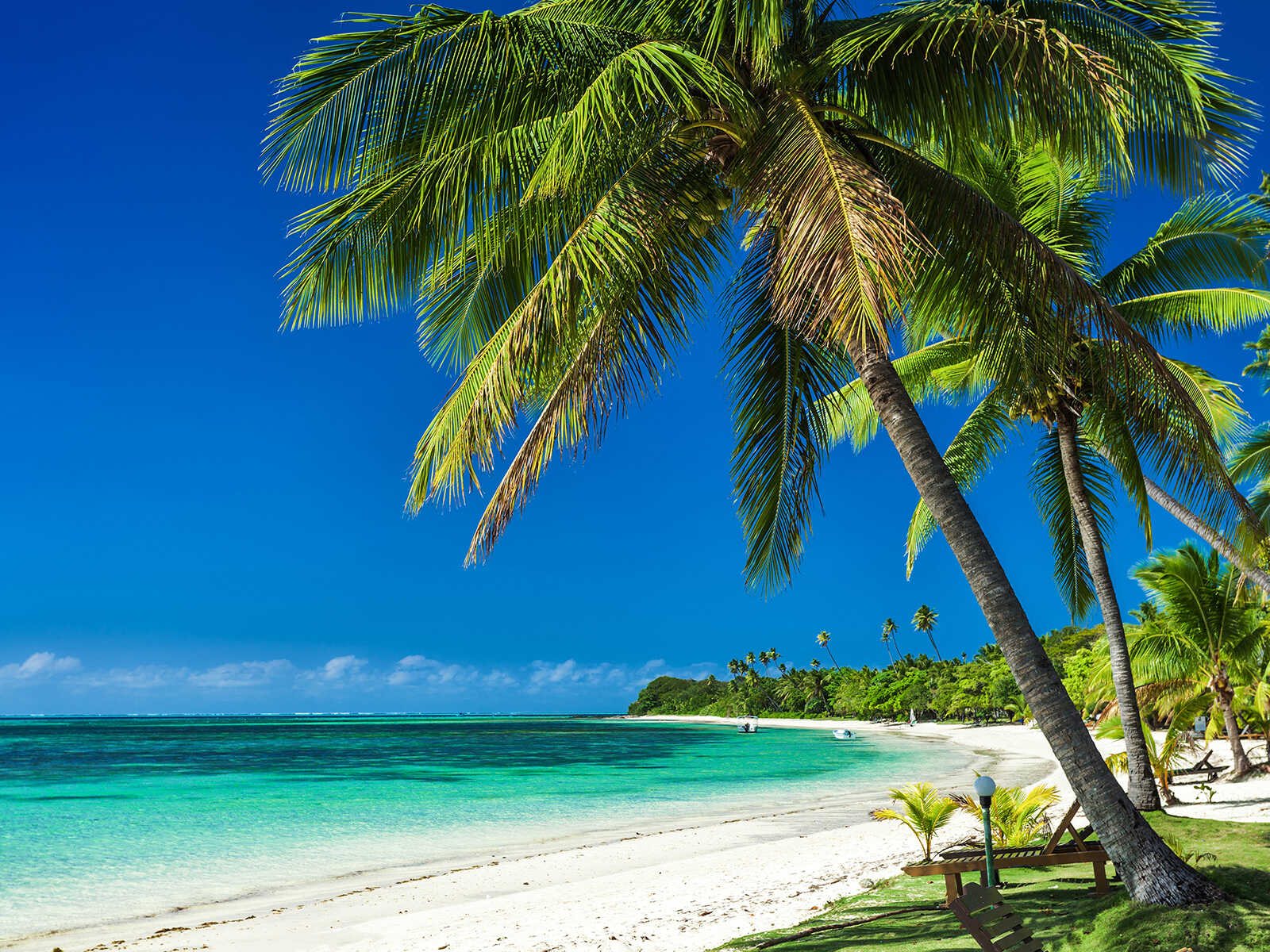
Along Fiji's extensive coastlines, resilient plant communities thrive. Mangrove forests are particularly crucial, acting as natural barriers against erosion, nurseries for juvenile marine life, and vital carbon sinks. You'll find various mangrove species, along with resilient coastal trees like the ironwood (Casuarina equisetifolia) and beach almond (Terminalia catappa), which provide shade and stabilize dunes, such as those found at Sigatoka Sand Dunes National Park.
The Wild Wonders of Fiji: Terrestrial Fauna
While Fiji may not have large land mammals, its terrestrial fauna is captivating, especially for those with a keen eye for unique species.
Birds of Paradise (and Other Feathered Friends)
Fiji is a birdwatcher's delight, home to numerous endemic species. Keep an eye out for the vibrant Red-throated Lorikeet, the iridescent Many-colored Fruit Dove, and the striking Orange-breasted Myzomela. Taveuni, often called the "Garden Isle," is particularly rich in birdlife, with species like the rare Fiji Petrel. The tranquil surroundings of the Lavena Coastal Walk offer excellent opportunities for bird spotting amidst lush coastal forests.
Reptiles and Amphibians
Perhaps the most iconic terrestrial animal is the critically endangered Fiji Banded Iguana (Brachylophus fasciatus), known for its brilliant emerald green scales and distinctive bands. While elusive, these beautiful creatures are a highlight for many visitors. Fiji also hosts various gecko species and a handful of non-venomous snakes. The endemic Fijian Tree Frog (Platymantis vitiensis) can often be heard, if not seen, in humid forest environments.
Fun Fact:The Fiji Banded Iguana is one of the few iguana species found outside of the Americas, a testament to Fiji's ancient isolation and unique evolutionary pathways.
Insects and Invertebrates
Fiji's warm, humid climate supports a rich invertebrate population. From colorful butterflies and moths to fascinating stick insects and various beetles, the smaller inhabitants play a crucial role in the ecosystem. While some insects like mosquitoes are common, many are harmless and contribute to the islands' vibrant biodiversity.
Diving into the Deep Blue: Fiji's Marine Life
Fiji's true natural marvel lies beneath the waves. Renowned as the "Soft Coral Capital of the World," its waters teem with an astonishing diversity of marine life.
Coral Reefs: The Rainbow Cities Underwater
The extensive barrier reefs and fringing reefs surrounding Fiji's islands are living masterpieces. Soft corals of every imaginable color sway gently with the currents, creating a mesmerizing spectacle. Hard corals provide structure and shelter, forming complex habitats that rival any terrestrial city in complexity and population density. Exploring these reefs through snorkeling or diving is an unforgettable experience on islands like Tivua Island or Malamala island.
Fish, Sharks, and Rays
Fiji's reefs are home to over 1,500 species of fish, from tiny damselfish and vibrant clownfish to majestic parrotfish and graceful angelfish. Larger pelagic species are also common, including reef sharks (blacktip, whitetip, grey reef), manta rays, and various species of tuna and barracuda. The waters around Yasawa Island and Beqa Island are particularly famous for their rich marine ecosystems, attracting divers from around the globe.
Marine Mammals and Turtles
Spinner dolphins are a common sight, often seen playing in the wakes of boats. Humpback whales migrate through Fijian waters between July and October, offering incredible whale-watching opportunities. Fiji is also a critical nesting ground for several species of sea turtles, including green, hawksbill, and loggerhead turtles. Seeing a sea turtle glide gracefully through the water near Dravuni Island is a truly magical encounter.
Conservation Efforts and Responsible Tourism
Recognizing the immense value of their natural heritage, Fijians are deeply committed to protecting their unique ecosystems.
Protecting Fiji's Natural Heritage
Numerous marine protected areas (MPAs) and national parks have been established to safeguard critical habitats. Local communities often play a leading role in conservation, implementing traditional fishing practices (tabu) and participating in reef restoration projects. International organizations also collaborate with the Fijian government to combat threats like climate change and plastic pollution.
How to Be a Responsible Nature Tourist
As a visitor, your actions can significantly impact Fiji's delicate ecosystems. Embracing responsible tourism practices ensures these natural wonders remain for future generations.
- Stay on Designated Paths:When exploring forests or coastal areas, stick to marked trails to avoid damaging fragile vegetation.
- Do Not Touch Marine Life:Corals are living animals; touching them can cause damage or stress. Observe fish and other creatures from a respectful distance.
- Reef-Safe Sunscreen:Choose sunscreens that are free of oxybenzone and octinoxate, chemicals harmful to coral reefs.
- Reduce Waste:Minimize plastic use and dispose of all waste properly.
- Support Local Initiatives:Choose eco-certified tour operators and accommodations that demonstrate a commitment to sustainability and community benefits.
Tip:Always dispose of your rubbish responsibly. Even biodegradable items can disrupt local ecosystems if not properly managed. Leave no trace of your visit.
Where to Experience Fiji's Nature
Fiji offers countless opportunities to connect with its unique natural world:
Must-Visit Spots for Flora Enthusiasts
- Garden of the Sleeping Giant: An unparalleled collection of orchids and tropical plants.
- Colo-i-Suva Forest Park: Pristine rainforest with walking trails, natural pools, and diverse flora.
- Tavoro Falls(Bouma National Heritage Park, Taveuni): Experience lush rainforests and stunning waterfalls, home to the rare Tagimaucia flower.
- Sigatoka Sand Dunes National Park: A unique coastal ecosystem with specific dune vegetation and migratory birdlife.
Prime Locations for Fauna Spotting
- Lavena Coastal Walk(Taveuni): Offers excellent birdwatching opportunities and encounters with coastal creatures.
- Yasawa Island and Beqa Island: Renowned for their vibrant coral reefs and abundant marine life, including various shark and ray species.
- Tivua Island and Malamala island: Ideal for snorkeling and encountering diverse fish and coral species in clear, shallow waters.
- Dravuni Island: Offers unspoiled nature both on land and in its surrounding marine protected areas, perfect for spotting sea turtles and colorful fish.
Fiji's unique flora and fauna are a testament to its pristine environment and a crucial part of its cultural identity. By exploring responsibly and appreciating its natural beauty, you contribute to the ongoing preservation of this remarkable South Pacific paradise.