
Best Time to Visit Fiji: Weather, Activities & Avoiding Crowds
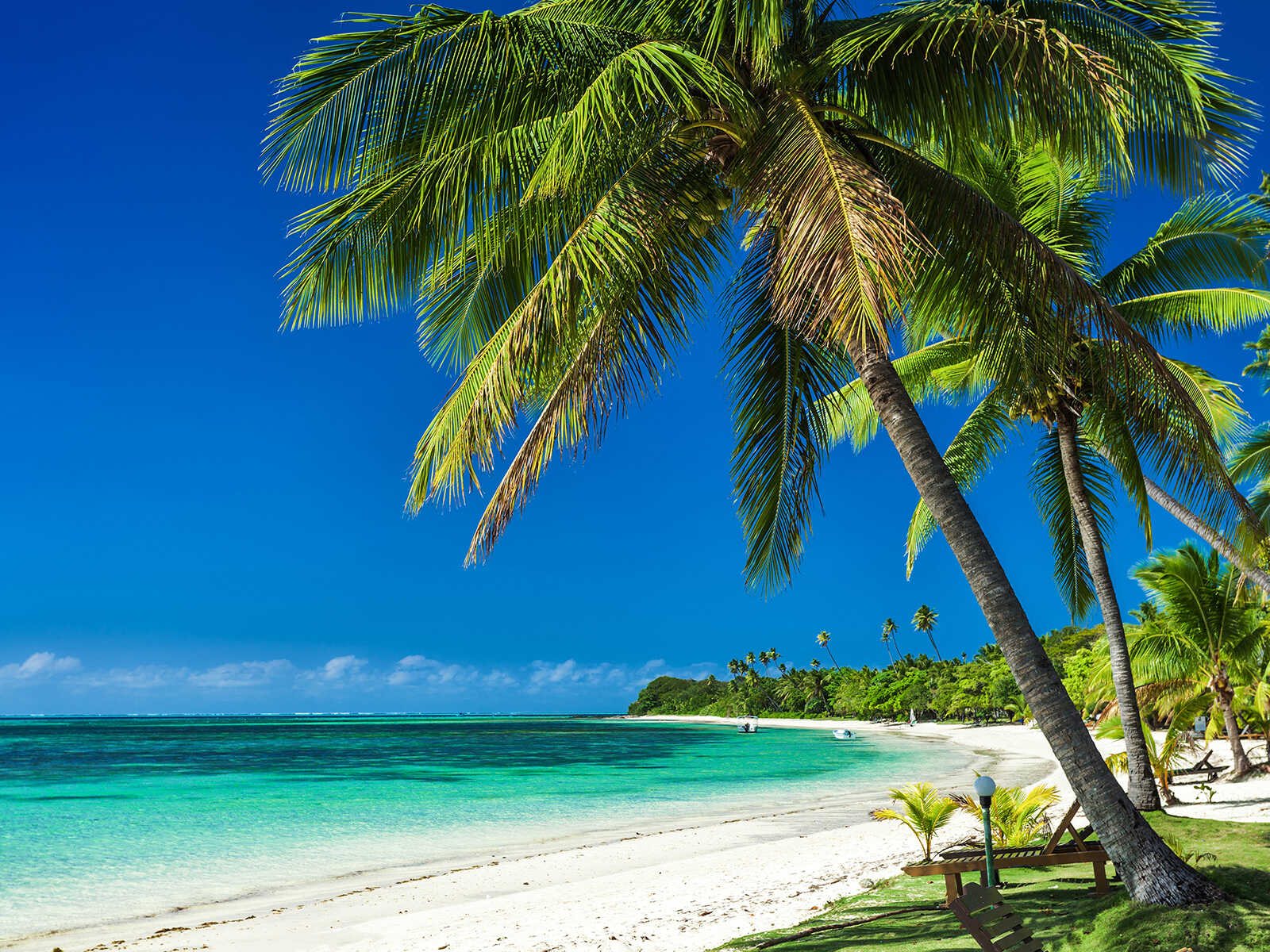
Fiji, a tropical paradise in the heart of the South Pacific, beckons with its pristine beaches, crystal-clear waters, and vibrant culture. Choosing the ideal time for your visit can significantly enhance your experience, aligning your travel dreams with Fiji's delightful climate, diverse activities, and varying crowd levels. Understanding the nuances of its seasons is key to planning an unforgettable escape.
Understanding Fiji's Climate: Wet vs. Dry Season
Fiji experiences a tropical maritime climate, characterized by two distinct seasons: the dry season and the wet season. Both offer unique advantages, depending on what you're looking for in your Fijian adventure.
The Dry Season (May to October)
Often considered thebest time to visit Fiji, the dry season brings consistently sunny days, lower humidity, and cooler temperatures, typically ranging from 20°C to 26°C (68°F to 79°F). Rainfall is minimal, making it perfect for outdoor activities and extended periods on the beach. The trade winds are also more consistent during this period, offering a refreshing breeze.
- Weather:Expect abundant sunshine, comfortable temperatures, and very low chances of rain. This is ideal for sunbathing, swimming, and exploring.
- Activities:This season is prime for all water-based activities.Malamala Island and Tivua Island day trips are popular for snorkeling and diving in calm, clear waters. It's also excellent for island hopping, with destinations like Yasawa Island offering breathtaking scenery and serene beaches. Hiking to places like the Sigatoka Sand Dunes National Park is more comfortable without the intense humidity.
- Crowds:As the most popular time, expect higher tourist numbers, especially during peak school holiday periods (July, August, September). Resorts and flights tend to be booked further in advance.
The Wet Season (November to April)
Also known as the "green season," the wet season is characterized by higher temperatures (25°C to 31°C / 77°F to 88°F), increased humidity, and more frequent, though often short and heavy, rainfall. While the name might sound daunting, rain often comes in tropical downpours that clear quickly, leaving behind lush, vibrant landscapes. This season also carries a higher risk of tropical cyclones, particularly from January to March.
- Weather:Hotter and more humid with regular tropical showers, often in the afternoon. Days can still be very sunny. The landscape is incredibly lush and green.
- Activities:While water activities are still possible, the focus often shifts. This is a fantastic time for exploring Fiji's rainforests and waterfalls, which are at their most spectacular. Visit the Colo-i-Suva Forest Park for refreshing dips in natural pools or witness the grandeur of Tavoro Falls on Taveuni. Cultural experiences, such as visiting the Sri Siva Subramaniya Temple in Nadi or exploring the vibrant Garden of the Sleeping Giant, are excellent options.
- Crowds:Fewer tourists generally mean a more relaxed atmosphere and often better deals on accommodation and flights. If you prefer tranquility and don't mind occasional rain, this can be an ideal time.
Month-by-Month Breakdown: Your Ideal Fiji Itinerary
Let's delve deeper into what each part of the year offers for your Fiji vacation.
May - June: The Shoulder Season Sweet Spot
These months offer a fantastic balance. The wet season is ending, and the dry season is just beginning, meaning you'll enjoy increasingly sunny days, comfortable temperatures, and lower humidity. Crowds are still manageable before the peak season rush, making it an excellent time for those seeking good weather without the highest tourist numbers. It's perfect for exploring islands like Nananu-i-Ra for its watersports potential or enjoying the calm waters of Natadola Beach.
July - August: Peak Season Perfection
Considered the absolute peak of the dry season, July and August boast the driest, sunniest, and coolest weather. This is ideal for all outdoor and water activities, from diving with sharks off Beqa Island to embarking on the Lavena Coastal Walk. However, it's also the busiest and most expensive time to visit, especially due to school holidays in Australia and New Zealand. Book well in advance!
September - October: Post-Peak Bliss
Following the peak, September and October continue to offer excellent weather with declining crowds. The sea temperatures are perfect for swimming and snorkeling, and the clear skies remain. This period provides a great opportunity to enjoy Fiji's best without the intense crowds of mid-winter. Exploring historical sites like Tavuni Hill Fort or the UNESCO World Heritage town of Levuka can be particularly pleasant.
November - December: Transition and Early Wet Season
As November arrives, the weather transitions. Humidity begins to rise, and occasional showers become more common. However, early November can still offer beautiful sunny days. December sees the full onset of the wet season. This period can be appealing for budget-conscious travelers seeking lower prices and fewer crowds before the Christmas and New Year holiday rush, which can see a temporary increase in visitors.
January - April: The Green Season & Tranquility
These months are the heart of the wet season. While rain is frequent, it's often in heavy, short bursts, leaving plenty of sunshine. The landscape is incredibly vibrant, and waterfalls are at their most impressive. This is the quietest time for tourism, perfect for those seeking solitude, cultural immersion, or simply enjoying the lush beauty. Be aware of the higher cyclone risk. Less frequented spots like Dravuni Island or Robinson Crusoe Island can offer unique, authentic experiences during this period.
Did you know?Fiji is renowned as the "Soft Coral Capital of the World," boasting an unparalleled diversity of vibrant soft corals, especially spectacular during the dry season's clear waters.
Activities for Every Season
Fiji's diverse offerings mean there's always something to do, regardless of the season.
- Water Sports:
Best in Dry Season (May-Oct):Diving, snorkeling, surfing, paddleboarding, kayaking are best enjoyed when the waters are calmest and clearest. The Yasawa Island group is a prime destination for these activities.
Possible in Wet Season (Nov-Apr):Many resorts offer sheltered diving and snorkeling spots. Surfing can still be excellent, especially for experienced surfers, but visibility might be reduced. - Hiking & Exploration:
Best in Dry Season (May-Oct):Ideal for longer hikes like those in Sigatoka Sand Dunes National Park or coastal walks, as paths are drier and temperatures are more comfortable.
Best in Wet Season (Nov-Apr):While some trails might be muddy, the rainforests, such as Colo-i-Suva Forest Park, are at their most vibrant, and waterfalls like Tavoro Falls are spectacular. - Cultural Experiences:
Year-Round:Cultural activities, village visits, and exploring local towns like Levuka or the Sri Siva Subramaniya Temple are fantastic year-round. These are excellent options during wetter periods. - Relaxation & Wellness:
Year-Round:Fiji's resorts are designed for relaxation, offering spas, beachfront lounging, and delectable cuisine regardless of the weather.
Avoiding the Crowds: Tips for a Serene Fiji Getaway
If peace and quiet are high on your priority list, consider these strategies:
- Travel During Shoulder Seasons:May-June and September-October offer a wonderful balance of good weather and fewer tourists compared to the peak months.
- Embrace the Wet Season:For true tranquility and often significant savings, consider visiting between November and April. While you might encounter rain, you'll often have beaches and attractions almost to yourself.
- Choose Less-Visited Islands:While popular spots like the Mamanucas and Yasawas are beautiful, consider venturing to less-touristed islands.Dravuni Island offers authentic village experiences, and Nananu-i-Ra is a hidden gem for watersports enthusiasts. Even Robinson Crusoe Island, while popular for day trips, can be quieter for overnight stays.
- Book Smart:If you must travel during peak season, booking flights and accommodation well in advance can help secure your preferred choices and potentially better rates.
Making Your Decision: What's Best forYou?
Ultimately, the "best" time to visit Fiji depends on your personal preferences and priorities:
- Ifperfect weather and endless sunshinefor water activities are paramount, aim for thedry season (May - October), particularly July-August if crowds don't deter you.
- Ifbudget-friendliness, fewer crowds, and lush, vibrant sceneryappeal, and you don't mind occasional rain, thewet season (November - April)could be your ideal choice.
- For a balance of good weather and manageable crowds, theshoulder seasons (May-June, September-October)are often the sweet spot.
Fiji's natural beauty and warm hospitality shine year-round. Whether you seek adventure, cultural immersion, or pure relaxation, this South Pacific gem promises an unforgettable experience whenever you choose to visit. Plan wisely, and prepare to be enchanted by the magic of Fiji.