
A Brief History of Fiji: From Ancient Traditions to Modern Paradise
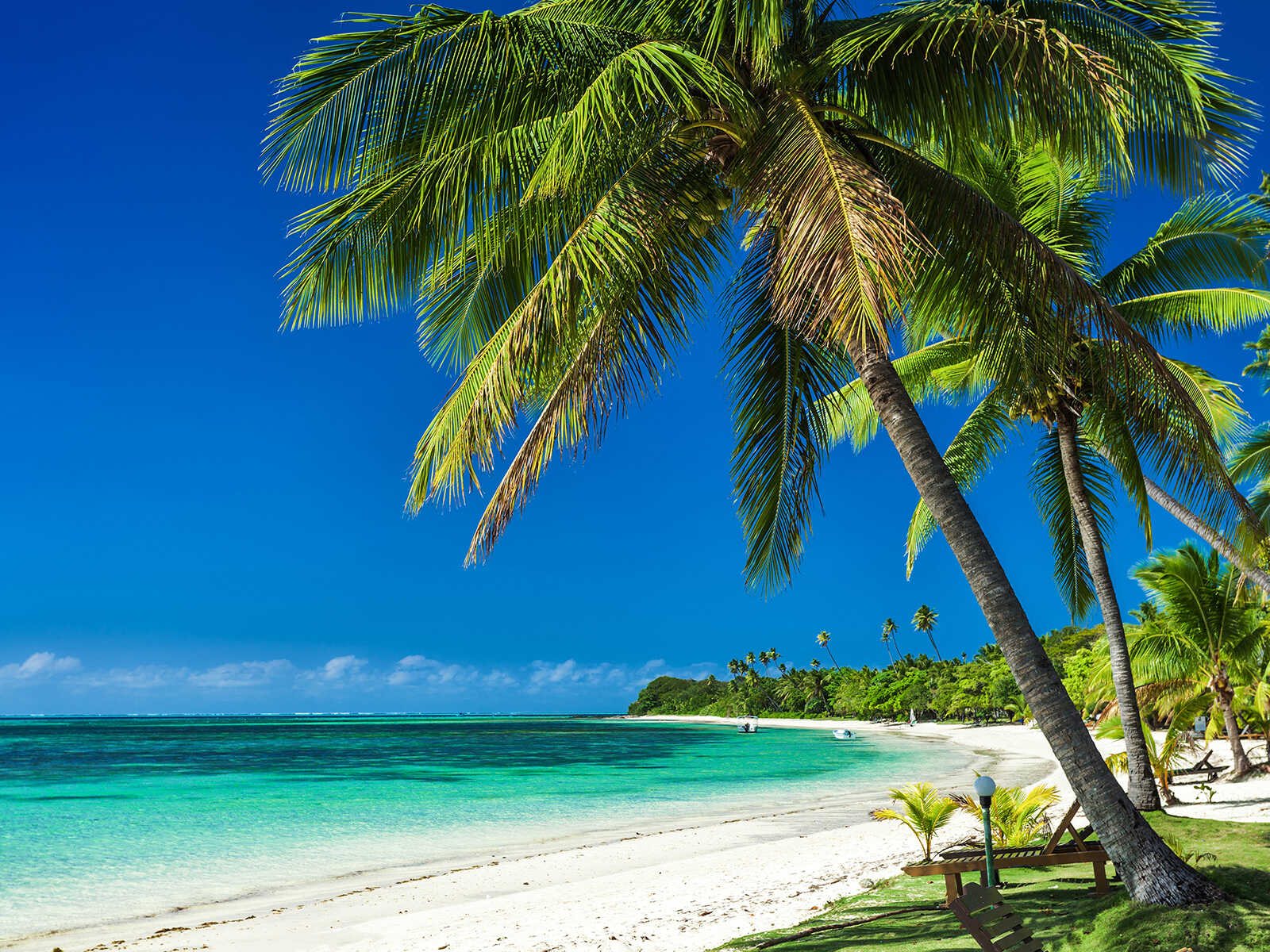
Often pictured as the quintessential Pacific paradise, Fiji is much more than just stunning beaches and crystal-clear waters. Beneath its idyllic surface lies a rich and complex history, shaped by ancient migrations, powerful chiefdoms, colonial influences, and a vibrant multicultural heritage. Understanding Fiji's past offers a deeper appreciation for its unique culture and the resilient spirit of its people.
The First Settlers: Lapita People and Early Migration
The story of Fiji begins approximately 3,500 years ago with the arrival of the mysterious Lapita people. These skilled navigators and seafarers, originating from Southeast Asia, undertook incredible voyages across the Pacific, settling islands from Papua New Guinea to Samoa. They brought with them distinctive pottery, agricultural practices, and sophisticated knowledge of the ocean, laying the foundation for what would become Fijian culture.
Archaeological discoveries, including ancient burial sites and pottery fragments found at locations like the Sigatoka Sand Dunes National Park, provide valuable insights into these early settlers. Over centuries, subsequent waves of migrants, particularly from Western Polynesia, further enriched the cultural tapestry, contributing to the development of the distinct Fijian language and customs we recognize today.
The Rise of Fijian Chiefdoms and Traditional Society
By the time European explorers arrived, Fiji was not a single unified nation but a collection of powerful and often warring chiefdoms. Society was highly structured, with intricate systems of land ownership, lineage, and customary laws. Chiefs, orRatu, held significant power, and their authority was often reinforced through elaborate ceremonies and traditions. Warfare between chiefdoms was common, driven by competition for land, resources, and prestige.
Fortified villages, strategically located on hilltops, were a testament to these turbulent times. The remains of structures like the Tavuni Hill Fort on the Sigatoka River bear witness to the defensive strategies and architectural prowess of ancient Fijian communities. Traditional practices, such as the elaborate preparation and consumption ofkava(yaqona), played a central role in social and ceremonial life, fostering community and respect. The unique culture of the indigenous Fijians, including the famed firewalkers of Beqa Island, continues to be a profound element of the nation's identity.
Fun Fact:The traditional Fijian greeting, "Bula!", means "life" and is a warm, all-encompassing welcome, reflecting the inherent hospitality of the Fijian people.
European Contact and the Arrival of Explorers
The first documented European sighting of the Fiji Islands occurred in 1643 when Dutch explorer Abel Tasman sailed past Vanua Levu. However, it was Captain James Cook who made more detailed observations in 1774, though he did not land. The most dramatic early encounter was with Captain William Bligh in 1789, following the infamous mutiny on the Bounty. Bligh navigated his small launch through the perilous Koro Sea, charting many of Fiji's islands and dubbing them the "Bligh Islands."
Initial interactions were often cautious, sometimes hostile, but they marked the beginning of Fiji's engagement with the wider world. These early contacts, though fleeting, would soon pave the way for more sustained European presence and profound changes in Fijian society.
The Era of Sandalwood, Whalers, and Missionaries
The early 19th century brought a surge of foreign interest in Fiji. Sandalwood traders, seeking the valuable fragrant wood, arrived en masse, leading to a boom and bust cycle that significantly impacted local economies and power dynamics. Whalers also frequented Fijian waters, using the islands as a provisioning stop, further integrating Fiji into global maritime networks.
Perhaps the most transformative foreign influence came with the arrival of Christian missionaries, primarily Wesleyans, in the 1830s. Initially met with resistance, their efforts gradually gained traction, leading to the widespread adoption of Christianity. This period saw a significant shift in traditional practices, including the gradual cessation of cannibalism and a reduction in inter-tribal warfare, though not without considerable social upheaval.
Cakobau and the Unification of Fiji
Amidst the growing foreign presence and internal conflicts, one chief rose to prominence: Ratu Seru Epenisa Cakobau of Bau. Through a combination of warfare, diplomacy, and strategic alliances, Cakobau managed to consolidate power over a significant portion of Fiji. In 1871, he was declaredTui Viti, or King of Fiji, a momentous step towards unifying the disparate chiefdoms under a single government. However, his reign was fraught with challenges, including mounting debts to foreign traders and continued internal strife.
Facing pressure from various factions and the threat of American intervention, Cakobau ultimately decided to cede Fiji to Great Britain. This pivotal decision, made on October 10, 1874, ushered in a new chapter in Fiji's history, transitioning it from an independent kingdom to a British Crown Colony.
British Colonial Rule and Indentured Labor
Under British rule, Fiji underwent significant administrative and social changes. The first Governor, Sir Arthur Gordon, implemented policies aimed at protecting Fijian land and traditional institutions. He famously banned the sale of Fijian land to foreigners and introduced the 'Great Council of Chiefs' to advise on Fijian affairs. To support the burgeoning sugar cane industry, the British introduced a system of indentured labor, bringing over 60,000 workers, known asGirmitiyas, primarily from India between 1879 and 1916.
This influx of Indian laborers profoundly reshaped Fiji's demographic and cultural landscape. Their descendants now form a significant part of Fiji's population, contributing to its vibrant multicultural identity. Evidence of this rich heritage can be seen in places like the Sri Siva Subramaniya Temple in Nadi, a colorful and active Hindu temple. The colonial period also saw the establishment of Levuka on Ovalau as Fiji's first capital, a town now recognized as a UNESCO World Heritage Site for its well-preserved colonial architecture.
Towards Independence and Modern Paradise
The mid-20th century brought growing calls for self-governance across the British Empire, and Fiji was no exception. After decades of political development and discussions, Fiji proudly gained its independence on October 10, 1970, exactly 96 years after its cession to Britain. The new nation embarked on a journey to forge its own destiny, navigating the complexities of post-colonial development and fostering national unity.
Today, Fiji stands as a parliamentary republic, a beacon of hospitality and natural beauty in the Pacific. While it has faced political challenges, the resilience and warmth of its people have consistently shone through. Tourism has become a cornerstone of the economy, drawing visitors to its pristine natural attractions. Guests can explore the lush greenery of the Garden of the Sleeping Giant, hike through the rainforests of Colo-i-Suva Forest Park, or relax on the stunning shores of Natadola Beach. Island escapes to destinations like Malamala Island,Tivua Island, and Robinson Crusoe Island offer a taste of the modern Fijian paradise.
A Mosaic of Cultures
Modern Fiji is a vibrant tapestry woven from indigenous Fijian traditions, Indian customs, European influences, and contributions from Rotuman, Chinese, and other Pacific communities. This rich cultural mosaic is evident in Fiji's cuisine, festivals, languages, and, most importantly, in the welcoming spirit of its people. The famous "Bula!" smile is a genuine reflection of the warmth and hospitality that defines the Fijian experience, whether you're exploring the remote beauty of Yasawa Island or the quiet charm of Dravuni Island.
Preserving Heritage and Embracing the Future
As Fiji moves forward, it remains committed to preserving its unique heritage while embracing sustainable development. Efforts are underway to protect its incredible biodiversity, from the vibrant coral reefs to its dense rainforests, ensuring that future generations can enjoy the same natural wonders. Historical sites are maintained, and traditional customs continue to be celebrated, ensuring that the ancient stories of Fiji live on in its modern paradise. From ancient Lapita settlers to a thriving contemporary nation, Fiji's history is a compelling journey of resilience, cultural fusion, and enduring natural beauty.