
Trekking in the Simien Mountains: A Guide to Ethiopia's Roof of Africa
Embark on an unforgettable journey through the Simien Mountains National Park, a UNESCO World Heritage site known as the "Roof of Africa." This guide provides essential insights for planning your trek, from navigating its dramatic landscapes to encountering its unique wildlife.
Discovering the Simien Mountains National Park
The Simien Mountains National Park in northern Ethiopia is a geological marvel, characterized by vast plateaus, deep gorges, and towering volcanic plugs. Its dramatic escarpments, carved over millennia by erosion, create an awe-inspiring panorama often likened to a giant's playground. Recognized for its spectacular scenery and rare wildlife, it's a premier destination for trekkers seeking adventure and natural beauty.
Why Trek the Simiens? Unforgettable Encounters
Breathtaking Landscapes
Trekking in the Simien Mountains offers continuous visual rewards. From the moment you step onto the trails, you are surrounded by an expansive panorama of jagged peaks, precipitous cliffs that drop thousands of feet into the valleys below, and rolling afro-alpine grasslands. Iconic viewpoints like Imet Gogo and Inatye provide unparalleled vistas, showcasing the sheer scale and raw beauty of this high-altitude wilderness.
Endemic Wildlife
Beyond the stunning scenery, the Simien Mountains are a crucial refuge for several endangered species found nowhere else on Earth. The most iconic resident is theGelada baboon, often called the "bleeding-heart baboon" due to the patch of bare skin on its chest. These fascinating primates are frequently encountered grazing peacefully in large troops, offering incredible photographic opportunities.
Fun Fact: Gelada baboons are the world's only grazing primates, feeding primarily on grasses. They communicate through a complex repertoire of vocalizations and facial expressions.
Keep a keen eye out for the elusiveEthiopian Wolf, Africa's most endangered canid, often spotted stalking rodents in the moorlands. Another highlight is the agileWalia Ibex, a wild mountain goat with impressive horns, perfectly adapted to the steep cliffs. Birdwatchers will also delight in the diverse avian life, including various raptors soaring above the peaks.
Planning Your Simien Trek: Essential Information
Best Time to Visit
The dry season, fromOctober to May, is generally considered the best time for trekking in the Simien Mountains. During these months, the skies are typically clear, offering excellent visibility and more comfortable trekking conditions. The wet season, from June to September, brings rain, which can make trails muddy and views obscured, though the landscape becomes incredibly lush and green.
Trekking Routes and Duration
Trekking options range from short day hikes to multi-day expeditions. Most treks begin from Debark, the park's gateway town. Popular routes include:
- 3-5 Day Treks:Often cover the main park highlights, including Sankaber, Geech, Chennek, and the ascent of Mount Bwahit (4,430m/14,534ft), offering spectacular views and excellent wildlife encounters.
- Longer Treks (7-14 Days):For the more adventurous, longer routes extend to the remote eastern parts of the park, culminating in an ascent ofRas Dashen(4,550m/14,928ft), Ethiopia's highest peak and the fourth highest in Africa.
Your choice of route will depend on your fitness level, time constraints, and what you wish to experience.
Permits, Guides, and Scouts
It is mandatory to enter the Simien Mountains National Park with a registered guide and an armed scout. This is for both your safety and to support local communities. Muleteers and cooks are also typically hired for multi-day treks, carrying gear and preparing meals. Park fees are also required. It's advisable to arrange your trek through a reputable tour operator in advance or upon arrival in Debark.
Accommodation and Facilities
Accommodation within the park primarily consists of designated campsites. These are basic but offer a unique opportunity to immerse yourself in the natural environment. Some sites, like Sankaber and Chennek, have small lodges or bandas for those preferring more comfort. For camping, you'll need to bring or rent quality sleeping bags and tents, usually provided by your tour operator.
What to Pack for Your Simien Adventure
Clothing
- Layers:The altitude means temperatures can vary wildly from warm days to freezing nights. Pack thermal base layers, fleece, and a warm jacket.
- Rain Gear:A waterproof and windproof jacket and trousers are essential, even during the dry season, as unexpected showers can occur.
- Footwear:Sturdy, broken-in hiking boots with good ankle support are crucial. Bring comfortable shoes or sandals for camp.
- Hat and Gloves:For sun protection during the day and warmth in the evenings.
Gear
- Sleeping Bag:A warm sleeping bag (rated to 0°C or colder) is highly recommended for nights at altitude.
- Backpacks:A large backpack for your main gear (carried by mules) and a smaller daypack for essentials like water, snacks, camera, and rain gear.
- Water Bottle/Hydration System:Staying hydrated is key at altitude.
- Headlamp/Flashlight:For navigating campsites after dark.
- First-Aid Kit:Personal medications, blister treatment, pain relievers.
- Sun Protection:High-altitude sun is intense. Pack sunscreen, sunglasses, and a wide-brimmed hat.
Health and Safety Considerations
Altitude Sickness
Many trekking routes reach altitudes above 3,000 meters (9,800 feet), with Ras Dashen topping out at 4,550 meters (14,928 feet). It's crucial to ascend slowly to allow for proper acclimatization. Stay hydrated, avoid alcohol, and listen to your guide. Symptoms of acute mountain sickness (AMS) include headache, nausea, dizziness, and fatigue. If symptoms worsen, descend immediately.
Medical Preparedness
Ensure you have comprehensive travel insurance that covers high-altitude trekking and medical evacuation. Carry a personal first-aid kit and any necessary prescription medications. Consult your doctor before your trip about vaccinations and malaria prophylaxis, especially if you plan to visit lower-altitude regions of Ethiopia.
Respecting the Environment and Local Culture
Practice "Leave No Trace" principles by packing out everything you pack in. Respect local communities and their traditions. Ask permission before taking photos of people, and consider purchasing local handicrafts to support their livelihoods.
Beyond the Simiens: Exploring More of Ethiopia
A trek in the Simien Mountains can be seamlessly integrated into a broader exploration of Ethiopia's diverse offerings. Consider extending your journey to:
- The ancient city of Aksum, with its towering obelisks and rich history.
- The medieval castles of Fasil Ghebbi in Gondar, often a logical stop before or after the Simiens.
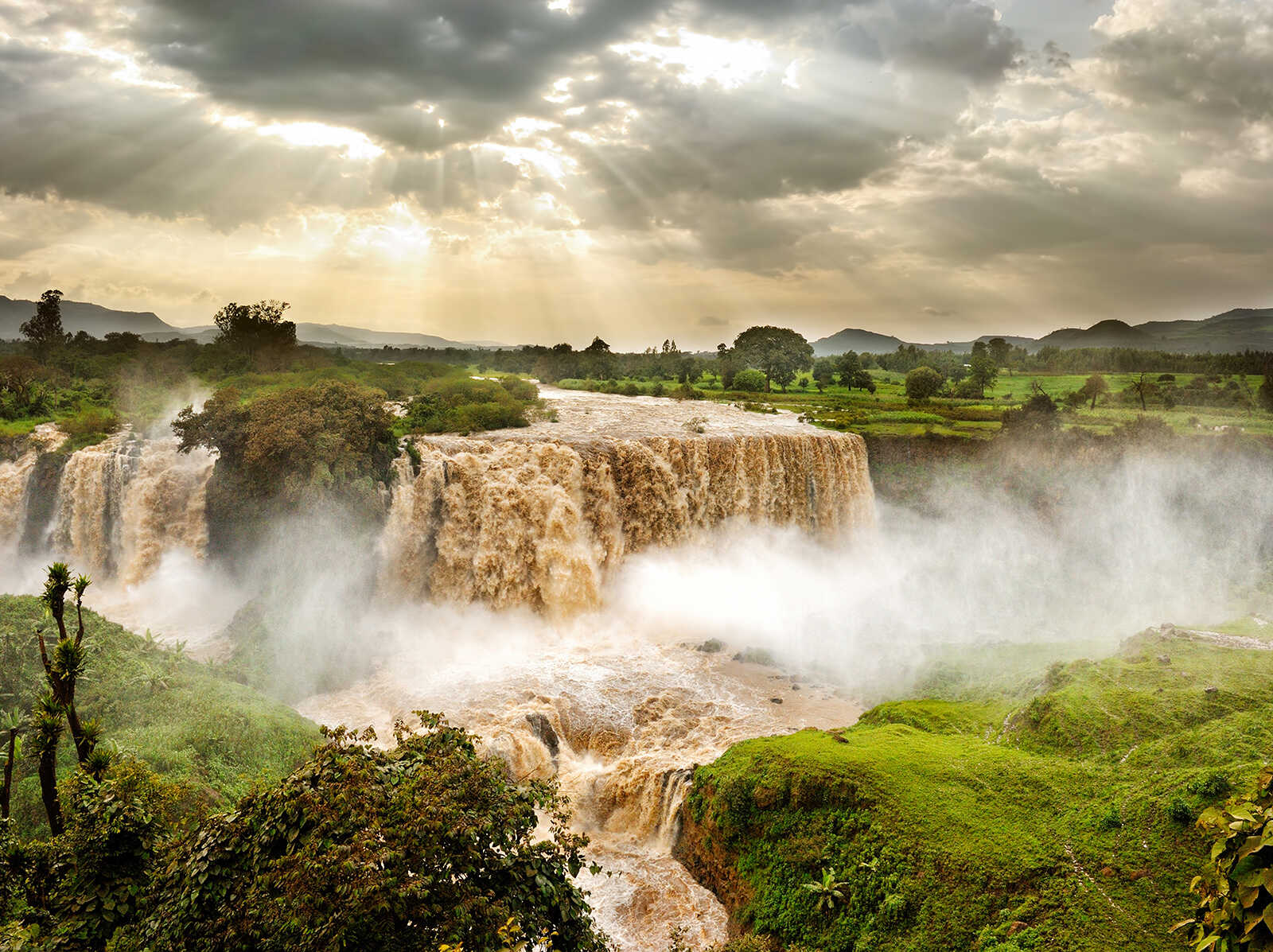
- The majestic Blue Nile Falls near Bahir Dar.
- For the truly adventurous, the extreme landscapes of the Danakil Depression, home to the active volcano Erta Ale and the surreal sulfuric hot springs of Dalol.
- Explore another high-altitude wilderness, the Bale Mountains, known for different endemic wildlife like the Mountain Nyala.
- Discover the wonders of the Great Rift Valley, a geological marvel running through Ethiopia.
Conclusion
Trekking in the Simien Mountains is an unparalleled adventure, offering a blend of breathtaking natural beauty, unique wildlife encounters, and a profound sense of remoteness. With careful planning and respect for this extraordinary environment, your journey to Ethiopia's Roof of Africa will undoubtedly be a highlight of your travels.