
Most Instagrammable Places in Ethiopia: Photo Spots Guide
Ethiopia, a land of ancient wonders and breathtaking natural beauty, offers an unparalleled canvas for photographers and Instagram enthusiasts. From towering mountains to surreal geological formations and millennia-old spiritual sites, every corner of this East African nation presents a unique opportunity to capture truly memorable images. Prepare to fill your feed with visuals unlike anywhere else on Earth.
Ethiopia’s diverse topography, rich history, and vibrant cultures create a compelling tapestry for visual storytelling. Whether you're chasing the golden light over a mountain range, seeking the intricate details of rock-hewn churches, or documenting the unique traditions of its people, Ethiopia promises a photographic journey filled with awe and inspiration. This guide highlights some of the most captivating locations guaranteed to elevate your Instagram game.
Ancient Wonders & Spiritual Sanctuaries
Lalibela: The Rock-Hewn Churches
A UNESCO World Heritage site, Lalibela is home to eleven monolithic churches carved directly out of living rock in the 12th century. The most iconic,Bete Giyorgis(Church of Saint George), is a cross-shaped marvel that seems to emerge from the earth itself. The intricate architecture, dramatic shadows, and spiritual atmosphere provide endless photographic possibilities, especially during morning prayers. Don't miss the less-visited rock-hewn monastery of Na'akuto La'ab, tucked away in a cave and offering a glimpse into monastic life.
Gondar: The Royal Enclosure of Fasil Ghebbi
Often called the "Camelot of Africa," Gondar’s Fasil Ghebbi is a fortified royal enclosure dating back to the 17th century. Its impressive stone castles, palaces, and banquet halls showcase a unique architectural style influenced by Indian, Portuguese, and even Moorish designs. The sturdy walls and towering battlements look particularly majestic during the golden hour, offering a timeless backdrop for your photographs.
Aksum: Obelisks and Ancient History
The ancient city of Aksum was once the heart of a powerful kingdom and is now famous for its towering granite obelisks and stelae. These monumental structures, some reaching over 20 meters tall, are remnants of a sophisticated ancient civilization. Capturing the sheer scale of these carved monoliths against the Ethiopian sky provides a profound sense of history and wonder.
Tiya World Heritage Site: Mysterious Stelae
For a dose of ancient mystery, head to the Tiya World Heritage Site, where over 36 megalithic stelae stand eerily in a field. These engraved stone pillars, some bearing enigmatic symbols, are believed to mark ancient burial sites. Their stark presence against the open landscape creates a powerful and thought-provoking image.
Dramatic Landscapes & Natural Wonders
Danakil Depression: A World Apart
The Great Rift Valley's most extreme northern extension, the Danakil Depression, is one of the hottest and lowest places on Earth, offering a landscape unlike any other. Here, you'll find the vibrant, mineral-rich hot springs of Dalol, creating a surreal canvas of yellows, greens, and oranges. Nearby, witness the mesmerizing lava lake of Erta Ale, an active shield volcano that glows intensely at night. Capturing these otherworldly geological formations promises truly unique and unforgettable images.
The Danakil Depression's extreme conditions make it a challenging yet incredibly rewarding destination for photographers. The vibrant, ephemeral landscapes of Dallol, shaped by geothermal activity, offer colors and textures found nowhere else on the planet.
Simien Mountains National Park: The Roof of Africa
The Simien Mountains National Park is a UNESCO World Heritage site renowned for its dramatic jagged peaks, deep valleys, and breathtaking escarpments. This "Roof of Africa" offers spectacular panoramic vistas, especially at sunrise and sunset. Home to endemic wildlife like the Gelada baboon and the elusive Ethiopian wolf, it provides incredible opportunities for landscape and wildlife photography. Hiking through its majestic trails yields endless photo ops.
Blue Nile Falls: The Smoking Water
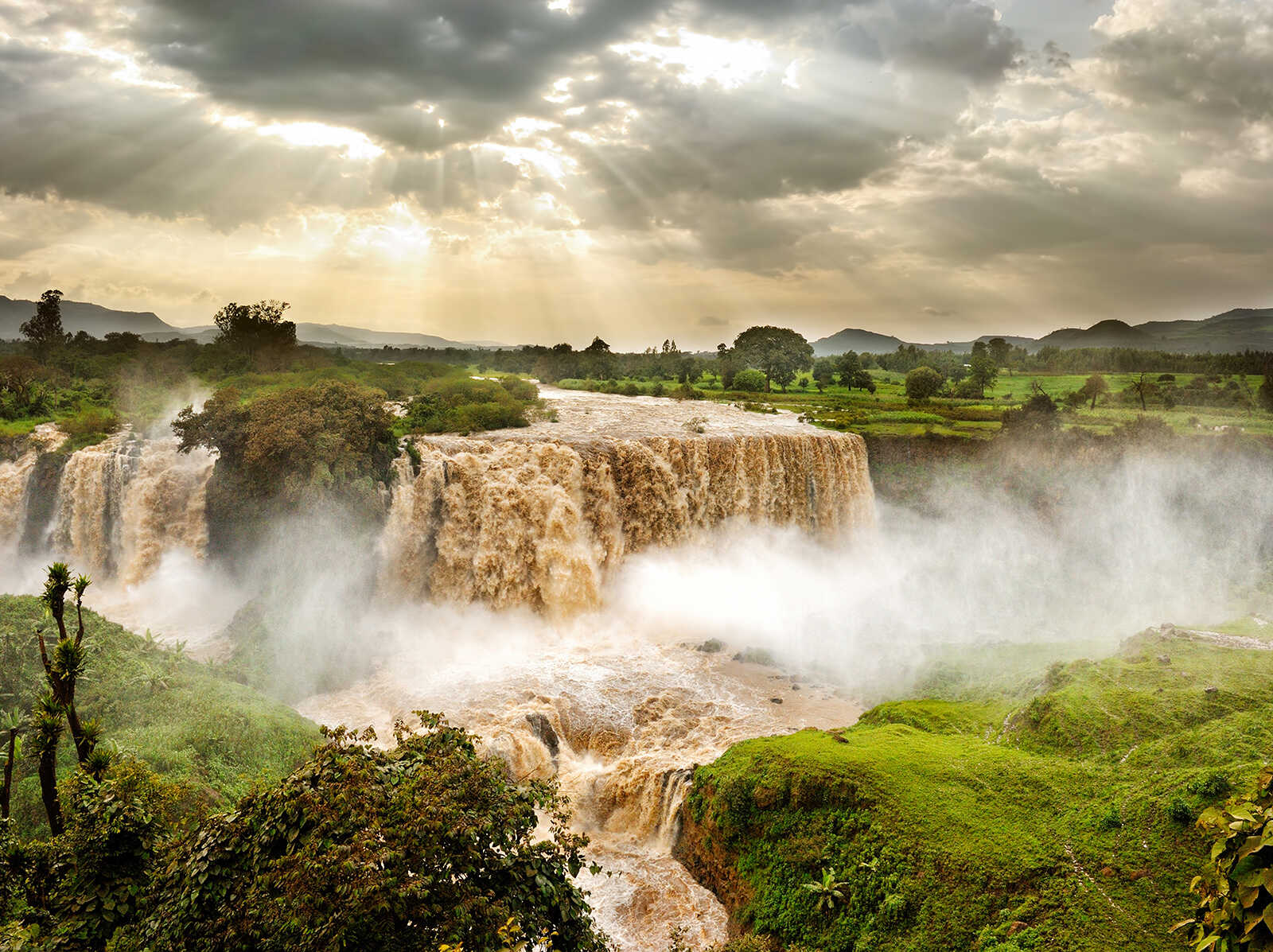
Known locally as Tis Abay, or "smoking water," the Blue Nile Falls are a powerful spectacle of nature. When in full flow, the cascades create a misty spray and vibrant rainbows, especially in the afternoon sun. The lush, green surroundings and the sheer force of the water make for dynamic and refreshing photographs. It's best visited during or immediately after the rainy season for the most impressive views.
The Great Rift Valley: Lakes and Wildlife
Ethiopia's segment of the Great Rift Valley is dotted with a series of beautiful lakes, each offering distinct photographic opportunities. Near Arba Minch, you can explore Chamo Lake, famous for its abundant crocodiles and hippos, as well as diverse birdlife. The contrast of the shimmering water, volcanic landscapes, and rich biodiversity provides a compelling subject for any photographer.
Bale Mountains: Afro-Alpine Wonderland
The Bale Mountains present a unique Afro-alpine environment, characterized by its dramatic peaks, vast moorlands, and dense forests. It's a crucial habitat for endemic species like the Ethiopian wolf and the mountain nyala. The misty plateaus and stunning high-altitude scenery, often shrouded in ethereal clouds, create a mystical and beautiful setting for landscape and wildlife photography.
Cultural Encounters & Historic Cities
Harar Jugol: The Walled City
The ancient walled city of Harar, a UNESCO World Heritage site, is a labyrinth of narrow alleyways, colorful traditional houses, and bustling markets. Known as the "City of Saints," it boasts numerous mosques and shrines. Its vibrant street life, unique architecture, and the famous nightly hyena feeding ritual offer a rich tapestry of cultural photographic moments. Every corner reveals a new story.
Omo Valley: Indigenous Cultures
Journeying to the Omo National Park and the surrounding Omo Valley offers an unparalleled opportunity to photograph some of Africa's most culturally diverse and distinct indigenous communities. Tribes like the Mursi, Hamer, and Karo maintain unique traditions, elaborate body paint, and intricate adornments. Photographing these communities requires immense respect, sensitivity, and the guidance of experienced local facilitators to ensure ethical and authentic interactions.
Essential Photography Tips for Ethiopia
- Respectful Photography:Always ask for permission before photographing people, especially in religious sites or tribal communities. A smile and a polite gesture go a long way.
- Golden Hour Magic:The soft, warm light of sunrise and sunset can transform landscapes and architecture. Plan your shoots around these times for the most dramatic results.
- Gear Up:A wide-angle lens is great for landscapes and churches, while a telephoto lens is essential for wildlife in places like the Simien or Bale Mountains and for capturing details in distant scenes. Consider protection for your gear against dust, especially in the Danakil Depression.
- Power & Backup:Carry extra batteries, power banks, and plenty of memory cards. Power outages can occur, so being self-sufficient is key.
- Hire Local Guides:A knowledgeable local guide can enhance your experience significantly, providing cultural insights, helping with translations, and guiding you to the best photo spots.
- Dress Appropriately:Especially when visiting religious sites, modest dress (covering shoulders and knees) is appreciated and often required.
Conclusion: Capture the Spirit of Ethiopia
Ethiopia is a land of contrasts and ancient beauty, offering an incredibly rich and diverse palette for photographers. From the spiritual grandeur of its rock-hewn churches to the raw, untamed power of its natural landscapes and the vibrant tapestry of its cultures, every image tells a story. Pack your camera, open your mind, and prepare to capture the extraordinary spirit of Ethiopia, creating a truly unforgettable visual journey for your Instagram feed and beyond.