
Lalibela Travel Guide: Journey to Ethiopia's Rock-Hewn Churches
Embark on an extraordinary pilgrimage to Lalibela, a remote town nestled in the highlands of Ethiopia, renowned for its incredible rock-hewn churches. This UNESCO World Heritage site offers a profound glimpse into ancient Ethiopian Christianity, presenting architectural marvels carved directly out of living rock.
Discovering Lalibela's UNESCO World Heritage Site
Lalibela is not just a collection of churches; it is a spiritual testament, a living monument to faith and unparalleled craftsmanship. Legend states that King Lalibela, inspired by a vision, set out to create a "New Jerusalem" in the 12th and 13th centuries, resulting in eleven monolithic churches meticulously excavated from volcanic tuff.
These churches are not built in the traditional sense; rather, they were carved downwards from the ground level, often connected by intricate tunnels and trenches, forming complex subterranean networks. They are broadly divided into three main groups, each offering a unique experience.
The Northern Group
This cluster features the largest monolithic church,Bete Medhane Alem(House of the Saviour of the World), believed to be the largest monolithic church in the world. It stands on 72 massive pillars and houses the replica of the Ark of the Covenant. Nearby areBete Maryam(House of Mary), known for its frescoes,Bete Meskel(House of the Cross),Bete Denagel(House of Virgins), andDebre Sina(Mount Sinai).
The Western Group
The most iconic and photographed of all the churches is Bete Giyorgis(House of St. George). Carved in the shape of a cross, it stands in a deep pit, completely detached from the surrounding rock. Its striking form and pristine condition make it a powerful symbol of Lalibela's architectural genius.
Interesting Fact:Legend says that St. George himself appeared to King Lalibela and instructed him to build a church in his honor, leading to the creation of the perfectly cross-shaped Bete Giyorgis.
The Eastern Group
Connected by a series of tunnels, this group includesBete Amanuel(House of Emmanuel), thought to be the former royal chapel;Bete Qedus Mercoreus(House of St. Mark), once a prison; andBete Abba Libanos(House of Abbot Libanos), dedicated to a local saint.Bete Gabriel-Rufael(House of Gabriel and Raphael) andBete Lehem(House of Holy Bread) complete this fascinating complex.
Planning Your Trip to Lalibela
A journey to Lalibela requires careful planning to maximize your experience.
Best Time to Visit
The dry season, from October to March, is generally considered the ideal time to visit Lalibela. The weather is pleasant, and access to the churches and surrounding areas is easier. Visiting during Ethiopian Orthodox festivals likeGenna(Christmas, January 7th) orTimkat(Epiphany, January 19th) offers a vibrant cultural immersion, though accommodation can be scarce and crowds significant. Consider extending your trip to witness Timkat celebrations in Aksum for an even grander experience.
Getting There
Most visitors arrive in Lalibela by air. Regular flights connect Addis Ababa (ADD) to Lalibela Airport (LLI). The airport is a short drive from the town, with shuttle services and local taxis readily available. Overland travel is possible but often involves long, challenging drives on unpaved roads, typically from destinations like Kombolcha or Bahir Dar. For those with ample time and a desire for adventure, a scenic drive can be rewarding, but flying is the most practical option.
Accommodation
Lalibela offers a range of accommodation, from simple guesthouses to more comfortable hotels. Many establishments provide stunning views of the surrounding mountains and offer traditional Ethiopian hospitality. It is advisable to book your accommodation in advance, especially during peak season or festival periods, as options can fill up quickly.
Getting Around Lalibela
The town of Lalibela is relatively small, and many areas are accessible on foot. To explore the church complexes, walking is essential as you navigate the tunnels and courtyards. Local tuk-tuks (bajaj) are available for longer distances within town or to reach nearby attractions. Hiring a local guide is highly recommended; their knowledge brings the history and stories of the churches to life and helps navigate the sometimes complex pathways.
Essential Tips for Visitors
Respectful Travel
Lalibela is an active place of worship. Dress modestly, covering shoulders and knees. You will be required to remove your shoes before entering the churches, so wear footwear that is easy to slip on and off. Always ask for permission before taking photos of individuals, especially priests or worshippers.
Health and Safety
Lalibela is situated at an altitude of approximately 2,500 meters (8,200 feet), so be mindful of potential altitude sickness by staying hydrated and taking it easy on your first day. Drink bottled water and exercise caution with street food. Travel insurance is always a wise investment for any international trip.
Beyond the Churches
While the rock-hewn churches are the main draw, Lalibela and its surroundings offer other intriguing experiences. Consider a half-day trip to the semi-monolithic cave church of Na'akuto La'ab, built into a shallow cave by King Na'akuto La'ab, Lalibela's successor. The local market is a vibrant place to witness daily life and find traditional crafts. Hiking in the surrounding hills provides breathtaking views and opportunities to interact with local communities.
Connecting Lalibela with Other Ethiopian Wonders
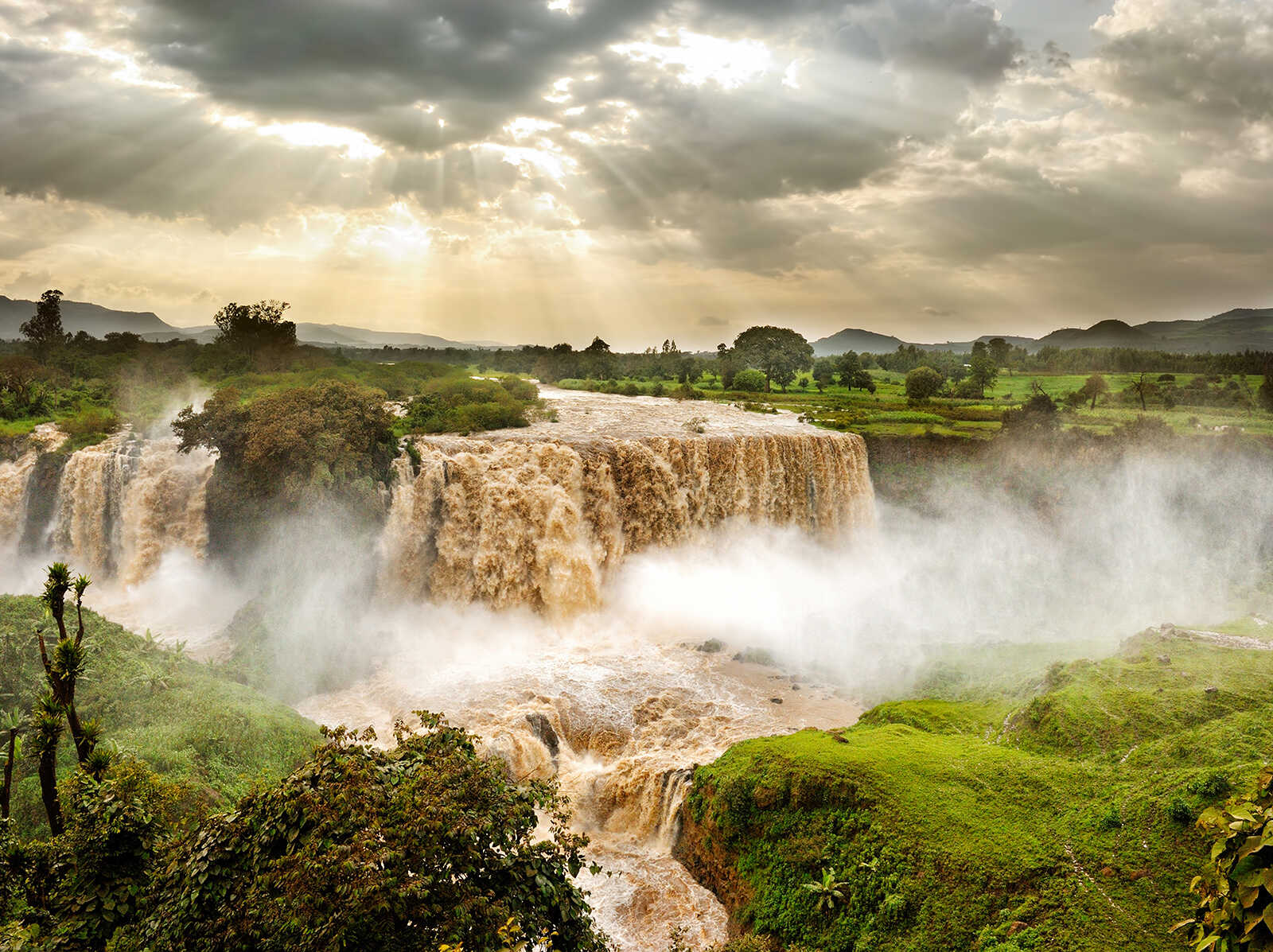
Lalibela can be a cornerstone of a broader Ethiopian adventure. Many visitors combine it with the historical circuit, which includes the ancient obelisks and ruins of Aksum and the fairytale castles of Fasil Ghebbi in Gondar. For nature enthusiasts, the dramatic landscapes of Simien Mountains National Park, home to unique wildlife, are a compelling next stop. The majestic Blue Nile Falls also offer a stunning natural spectacle.
Further afield, explore the otherworldly salt flats of Dalol and the active volcano Erta Ale in the Danakil Depression for an extreme adventure. Journey south to the Great Rift Valley to destinations like Arba Minch, where you can explore Chamo Lake, or venture into Omo National Park to encounter diverse indigenous cultures. Other notable destinations include the walled city of Harar, the ancient stelae field of Tiya World Heritage Site, and the pristine wilderness of Bale Mountains.
A visit to Lalibela is more than just sightseeing; it’s a journey into the heart of Ethiopia’s spiritual and architectural legacy. The rock-hewn churches stand as a powerful reminder of human devotion and ingenuity, promising an unforgettable travel experience that resonates long after you return home.