
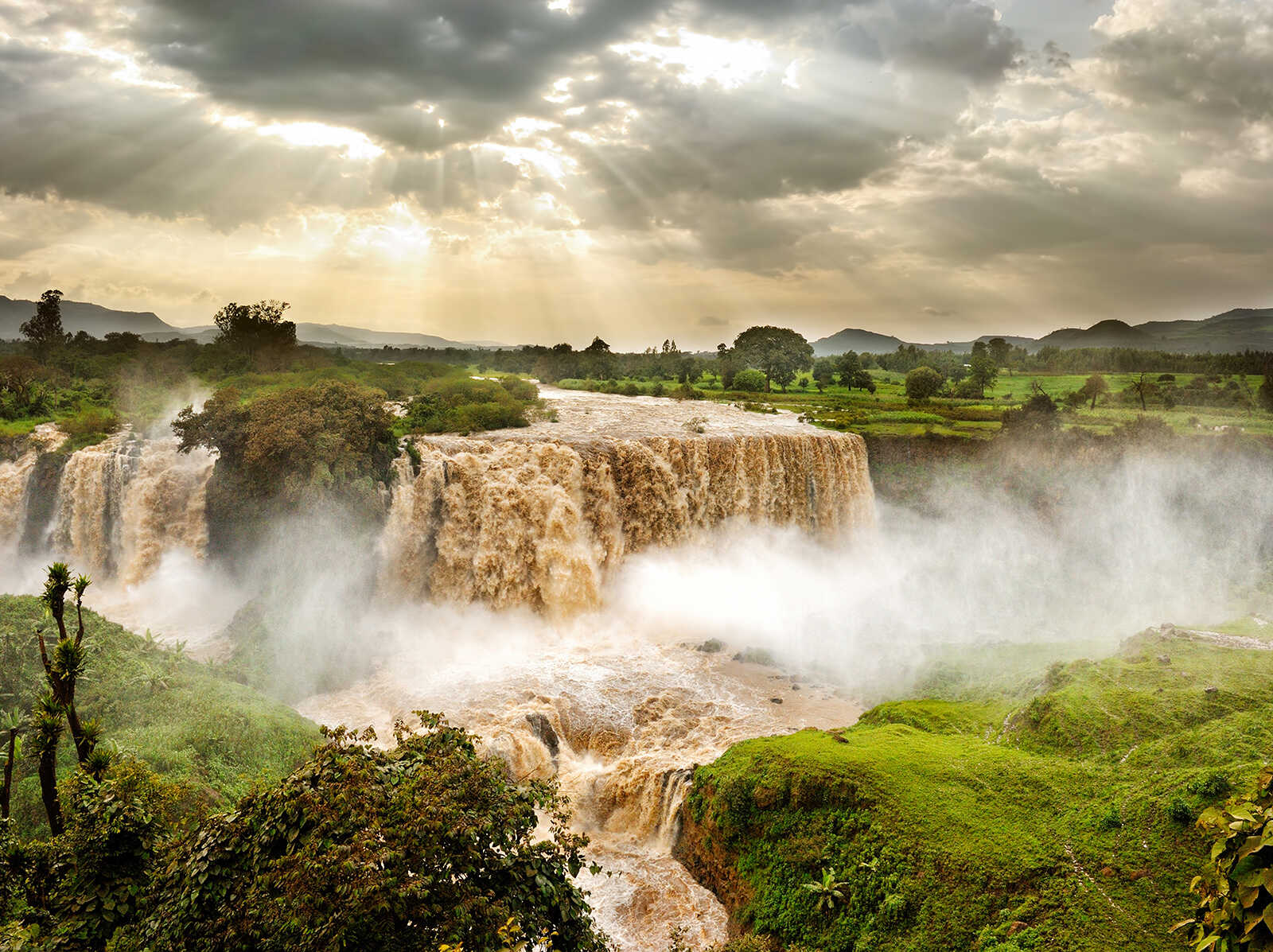
Lake Chamo and Arba Minch: Exploring the City of Forty Springs
Nestled in Ethiopia's verdant Great Rift Valley,Arba Minch is a captivating city renowned for its stunning natural beauty and vibrant local culture. Known as the "City of Forty Springs," it serves as a gateway to pristine lakes, abundant wildlife, and unique ethnic communities, offering a truly immersive Ethiopian experience.
Arba Minch: The City of Forty Springs
The name Arba Minch, meaning "Forty Springs" in Amharic, perfectly encapsulates the city's essence. It's blessed with numerous natural springs that emerge from the groundwater forest and cascade into the valleys below, enriching the landscape and supporting its lush vegetation. Perched strategically between two of the Rift Valley's most beautiful lakes – Lake Abaya and Lake Chamo– Arba Minch offers breathtaking panoramic views, particularly from the higher parts of the city known as Shecha.
The city itself is divided into two main sections: Sikela, the bustling commercial hub at a lower elevation, and Shecha, the more relaxed upper town where many lodges and hotels are located, offering stunning vistas of the lakes and the Nechisar National Park.Arba Minch serves as a crucial administrative and economic center for the Gamo Highlands and a convenient base for exploring the rich cultural tapestry and natural wonders of Southern Ethiopia.
The Allure of Lake Chamo
Lake Chamo is one of Ethiopia's largest lakes and a prime destination for wildlife enthusiasts. Its waters teem with life, most notably colossal Nile crocodiles and hippopotamuses. A boat trip on Lake Chamo is an absolute must-do, offering incredible opportunities for close-up encounters with these magnificent creatures.
The "Crocodile Market"
Despite its intriguing name, the "Crocodile Market" isn't a place where crocodiles are bought and sold. Instead, it refers to a specific section of Lake Chamo where large congregations of Nile crocodiles bask in the sun along the muddy shores. These ancient reptiles can reach impressive sizes, often exceeding five meters in length, making for an unforgettable spectacle. Expert local guides navigate the boats safely, ensuring visitors get the best views while maintaining a respectful distance.
Fun Fact:Nile crocodiles are apex predators and can live for up to 70-100 years. Their strong bite force is among the most powerful in the animal kingdom.
Hippo Haven and Birdwatching Paradise
Beyond crocodiles,Lake Chamo is home to thriving populations of hippos. Visitors often see pods of these semi-aquatic mammals bobbing in the water or grazing along the edges. The lake is also a haven for birdwatchers, with numerous species of water birds, including pelicans, cormorants, storks, and kingfishers, making it a vibrant ecosystem. Fishing is also a traditional activity on the lake, with local fishermen often seen using traditional papyrus boats.
Nechisar National Park: The Bridge of God
Separating Lake Chamo from its larger counterpart, Lake Abaya, is a narrow neck of land known as "God's Bridge" or "Bridge of God." This natural causeway forms part of the Nechisar National Park, a protected area renowned for its unique blend of ecosystems. The park encompasses the "Bridge of God" along with extensive grasslands, acacia woodlands, and parts of both lakes.
The grassy plains of Nechisar are home to various plains wildlife, including Burchell's zebras, Grant's gazelles, and the endemic Swayne's hartebeest. While larger predators are elusive, the opportunity to witness these animals in their natural habitat, against the stunning backdrop of the two lakes, is a compelling reason to explore the park. Guided safaris and nature walks are popular ways to experience Nechisar's diverse flora and fauna.
Cultural Immersion: Gamo Highlands and Beyond
Arba Minch is not just about natural beauty; it's also a gateway to experiencing the rich cultural heritage of the Gamo people and other ethnic groups in Southern Ethiopia. The Gamo are known for their traditional agricultural practices, vibrant markets, and distinctive house-building techniques.
Local Markets and Traditional Crafts
A visit to the local markets in Arba Minch or nearby villages offers a fascinating glimpse into daily life. Here, you can find a variety of fresh produce, spices, and traditional crafts. The Gamo people are particularly skilled weavers, and their colorful cotton textiles are highly prized. Exploring these markets provides an authentic cultural experience and an opportunity to support local artisans.
The Dorze Village Experience
A short drive from Arba Minch, nestled in the mountains, are the villages of the Dorze people, most notably Chencha. The Dorze are famous for their unique, towering beehive-shaped houses constructed from bamboo and other natural materials. These impressive structures can stand up to 12 meters tall and are remarkably durable, often lasting for decades. Visitors can learn about their traditional weaving techniques, observe their food preparation (especially the local "kocho" bread from false banana), and experience their warm hospitality. It's a wonderful opportunity for cultural exchange.
Practicalities for Your Visit
Getting to Arba Minch
Arba Minch is accessible by both air and road. Domestic flights operate regularly from Addis Ababa, offering a convenient way to reach the city. For those who prefer a scenic journey, bus services and private car hires are available, though road travel can be long but rewarding, showcasing the diverse landscapes of Ethiopia.
Best Time to Visit
The dry season, typically from October to March, is generally considered the best time to visit Arba Minch and Lake Chamo. During these months, wildlife viewing is often at its peak, and the weather is pleasant for outdoor activities. However, the green season (April to September) also offers lush landscapes and fewer crowds, with occasional rain showers.
What to Bring
When planning your trip, consider packing the following:
- Sun Protection:Hat, sunglasses, and high-SPF sunscreen are essential due to the strong equatorial sun.
- Insect Repellent:Especially important for evenings and early mornings near the lakes.
- Lightweight Clothing:Breathable fabrics are best for the warm climate.
- Comfortable Walking Shoes:For exploring markets, villages, and national parks.
- Camera and Binoculars:To capture the stunning landscapes and abundant wildlife.
- Reusable Water Bottle:To stay hydrated and reduce plastic waste.
Accommodation and Local Transport
Arba Minch offers a range of accommodation options, from budget-friendly guesthouses to more comfortable lodges and hotels, many of which boast incredible lake views. Within the city, "bajajes" (tuk-tuks) and taxis are readily available for local transport.
Beyond Arba Minch: Further Explorations
For adventurous travelers,Arba Minch serves as a significant jumping-off point for exploring the remote Omo National Park and the Lower Omo Valley. This region is renowned for its incredible cultural diversity, home to numerous indigenous tribes with distinct traditions and lifestyles. A journey into the Omo Valley is a profound experience, offering unparalleled insights into some of Africa's most unique communities.
While the landscapes of Arba Minch are distinct, Ethiopia offers a wealth of other natural wonders, from the rugged peaks of the Simien Mountains National Park to the diverse ecosystems of the Bale Mountains, each promising a different kind of adventure.
Conclusion
From the crocodile-filled waters of Lake Chamo to the panoramic vistas from its "Forty Springs," and the rich cultural tapestry of the Gamo Highlands,Arba Minch offers a multifaceted travel experience. It's a destination where nature's grandeur meets vibrant human culture, leaving visitors with lasting memories of Ethiopia's captivating south.