
Is Ethiopia Safe for Tourists? Essential Travel Safety Tips
Ethiopia, the Cradle of Humanity, offers an unparalleled journey through ancient history, diverse cultures, and breathtaking landscapes. While the allure of this Horn of Africa nation is undeniable, prospective travelers often ask: "Is Ethiopia safe for tourists?" With proper preparation and awareness, a trip to Ethiopia can be incredibly rewarding and largely safe.
Understanding the Current Security Landscape
Like any country, Ethiopia has its challenges, and the security situation can be fluid. It's crucial for travelers to stay informed about current events and heed travel advisories from their respective governments.
Political Stability and Regional Conflicts
Ethiopia has experienced periods of internal conflict, particularly in certain regions. While major tourist routes are often less affected, it's vital to research and understand the political climate before and during your trip. Areas bordering Eritrea, Sudan, South Sudan, and Somalia have historically been more volatile. Always check the latest updates on specific regions, particularly the Tigray region, and avoid areas flagged as unsafe by official advisories. Tour operators specializing in Ethiopia are an excellent resource for up-to-date local information.
Common Crime & Petty Theft
Petty crime, such as pickpocketing and bag snatching, can occur, especially in crowded areas like markets, bus stations, and tourist sites in cities like Addis Ababa. Violent crime against tourists is relatively rare but not unheard of. Taking sensible precautions can significantly reduce your risk:
- Keep Valuables Hidden:Avoid ostentatious displays of cash, jewelry, or expensive electronics.
- Secure Belongings:Use a money belt or secure bag, and always keep an eye on your possessions.
- Be Aware of Your Surroundings:Especially in crowded places or at night.
- Avoid Walking Alone at Night:Use reputable taxis or ride-sharing services.
Health & Medical Preparedness
Health is a significant aspect of travel safety. Ethiopia presents unique health considerations that require planning.
Vaccinations and Preventative Measures
Consult your doctor well in advance of your trip to discuss recommended vaccinations. These often include Yellow Fever (which may require proof of vaccination for entry), Hepatitis A and B, Typhoid, Tetanus-Diphtheria, and Measles-Mumps-Rubella (MMR). Malaria is prevalent in many lowland areas, including parts of the Great Rift Valley and the Omo National Park region, so discuss antimalarial medication with your doctor. Always use mosquito repellent, sleep under mosquito nets where available, and wear long sleeves and trousers at dusk and dawn.
Food and Water Safety
Traveler's diarrhea is common. To minimize risk:
- Drink Bottled or Purified Water:Avoid tap water, even for brushing teeth.
- Eat Cooked Food:Ensure food is thoroughly cooked and served hot.
- Peel Fruits and Vegetables:If you can't peel it, don't eat it (unless cooked).
- Avoid Street Food:Unless you see it being freshly prepared and it looks clean.
Traveler Tip:Always carry a small bottle of hand sanitizer and use it frequently, especially before eating.
Medical Facilities and Insurance
Medical facilities in Ethiopia, especially outside of Addis Ababa, can be basic. Ensure you have comprehensive travel insurance that covers emergency medical treatment and evacuation. Carry a basic first-aid kit with essentials like pain relievers, bandages, antiseptic wipes, and any personal prescription medications, along with their generic names.
Navigating Ethiopia Safely
Getting around Ethiopia requires a blend of caution and cultural sensitivity.
Transportation Safety
- Road Conditions:Roads outside major cities can be poorly maintained and hazardous, especially during the rainy season. Night driving is generally discouraged due to poor lighting, unmarked obstacles, and livestock.
- Public Transport:Buses are a common mode of intercity travel but can be crowded and sometimes unsafe. For longer distances, consider domestic flights or reputable private hire vehicles.
- Taxis:In cities, use official "blue taxis" or ride-sharing apps like Ride or Feres. Agree on the fare before starting your journey if there's no meter.
Respecting Local Customs and Culture
Ethiopia is a deeply religious and conservative country. Showing respect for local customs is paramount for a safe and enjoyable trip.
- Dress Modestly:Especially when visiting religious sites like the rock-hewn churches of Bete Giyorgis in Lalibela or the ancient city of Aksum. Shoulders and knees should be covered.
- Photography:Always ask for permission before taking photos of people, especially in rural areas or markets. In some regions, a small payment may be expected.
- Bargaining:It's common in markets, but do so respectfully and with a smile.
Solo Travel & Female Travelers
Solo female travelers may experience unwanted attention or harassment, particularly in crowded areas. While generally not aggressive, it can be persistent. Traveling with a companion or as part of a tour group can provide an added layer of comfort. Always trust your instincts and remove yourself from uncomfortable situations.
Money and Valuables
Ethiopia is largely a cash-based economy. While ATMs are available in major cities, they can be unreliable. It's wise to carry a mix of cash (Ethiopian Birr) and a credit/debit card for emergencies. Inform your bank of your travel plans to avoid card freezes. Keep large sums of cash and important documents in a secure place, such as a hotel safe.
Natural Hazards and Environmental Safety
Ethiopia's diverse geography offers incredible sights but also presents unique environmental challenges.
High Altitudes
Many of Ethiopia's stunning attractions, such as the Simien Mountains National Park and the Bale Mountains, are at high altitudes (above 2,500 meters or 8,200 feet). Acute Mountain Sickness (AMS) can affect anyone. Acclimatize gradually, stay hydrated, and avoid strenuous activity on your first day at altitude. Descend immediately if symptoms worsen.
Extreme Climates
The Danakil Depression, home to sites like Erta Ale and Dalol, is one of the hottest places on Earth. Temperatures can exceed 50°C (122°F). Visiting this region requires a well-organized tour with experienced guides, ample water, and appropriate gear to prevent heatstroke and dehydration.
Wildlife Encounters
When visiting national parks like Omo National Park or areas around lakes such as Chamo Lake near Arba Minch, be aware of local wildlife. Always follow guide instructions, maintain a safe distance, and never feed wild animals.
Essential Pre-Departure Checklist
A well-prepared traveler is a safer traveler.
- Travel Insurance:Absolutely essential for medical emergencies, evacuations, and trip interruptions.
- Visa Requirements:Ensure you have the correct visa for your stay. E-visas are available for many nationalities.
- Emergency Contacts:Keep a list of emergency contacts, including your embassy or consulate, tour operator, and family.
- Copies of Documents:Carry photocopies or digital copies of your passport, visa, and insurance policy, stored separately from the originals.
- Register Your Travel:Consider registering your trip with your country's embassy or consulate in Ethiopia; this can be helpful in emergencies.
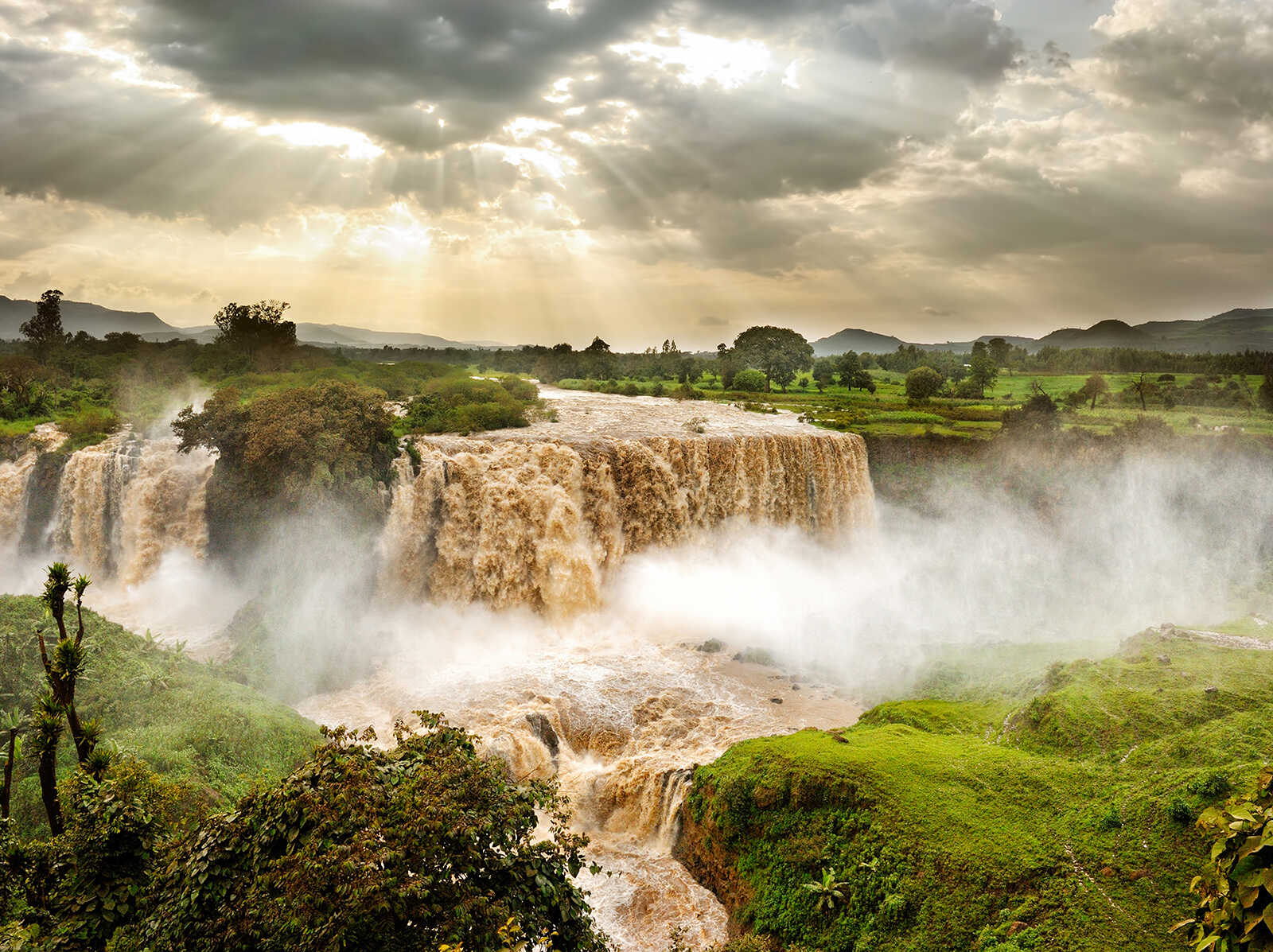
Ethiopia offers an extraordinary adventure for those willing to embrace its unique charm and navigate its challenges with care. By staying informed, respecting local customs, and taking proactive safety measures, you can ensure your journey through this captivating land is not only safe but also truly unforgettable, whether you're exploring the majestic Fasil Ghebbi, marveling at Blue Nile Falls, or discovering the ancient stelae of Tiya World Heritage Site.