
Getting Around Ethiopia: A Complete Transportation Guide
Navigating the diverse landscapes of Ethiopia is an adventure in itself, offering a blend of modern convenience and traditional travel experiences. From bustling city centers to remote historical sites and stunning natural wonders, understanding the local transportation options is key to a smooth and memorable journey. This guide provides practical insights into how to get around this fascinating East African nation.
Air Travel: Covering Vast Distances with Ease
For covering long distances quickly and comfortably, domestic flights are often the preferred choice.Ethiopian Airlinesoperates an extensive network connecting major cities and tourist destinations across the country from its hub in Addis Ababa.
- Benefits:Significantly reduces travel time compared to road transport, especially for destinations like Aksum,Harar, or Arba Minch. It's also a safer and more comfortable option for traversing Ethiopia's varied terrain, including parts of the Great Rift Valley.
- Booking:It's advisable to book tickets in advance, especially during peak seasons. Ethiopian Airlines often offers discounted domestic fares if you've flown with them internationally.
- Key Destinations:Flights can take you to regional capitals, serving as gateways to attractions such as the rock-hewn churches near Bete Giyorgis and Na'akuto La'ab, the ancient ruins of Fasil Ghebbi, or the majestic Simien Mountains National Park.
Long-Distance Bus Travel: An Authentic Journey
Bus travel is the most common and economical way to traverse Ethiopia for many locals and budget-conscious travelers. While often slower and less comfortable than flying, it offers a fantastic opportunity to see the countryside and interact with local life.
- Types of Buses:
- "Luxury" Buses:Several private companies like Selam Bus, Sky Bus, and Habesha Bus offer more comfortable, air-conditioned services on major routes. They are generally reliable, depart on schedule, and make fewer stops.
- Economy/Public Buses:These are older, often crowded, and make frequent stops. They are significantly cheaper but can be a test of patience and endurance.
- Routes:Buses connect almost every town and city. Popular routes include Addis Ababa to Harar, Gondar, Bahir Dar (near Blue Nile Falls), and Mekele.
- Tips:
- Book tickets a day or two in advance, especially for luxury buses and popular routes.
- Arrive early at the bus station to secure your seat and store luggage.
- Be prepared for long journeys, bumpy roads, and basic facilities.
- Keep valuables secure and accessible.
Train Travel: A Modern Connection
Ethiopia's railway network is limited but offers a modern and comfortable experience on its primary route.
The Ethio-Djibouti Railway, also known as the Addis Ababa–Djibouti Railway, is Ethiopia's only international standard gauge railway. Completed in 2017, it connects the capital city of Addis Ababa with the Port of Doraleh in Djibouti, offering a significant improvement in regional connectivity and trade.
- Ethio-Djibouti Railway:This electric standard gauge railway connects Addis Ababa with Djibouti, offering a comfortable, relatively fast, and scenic journey. While primarily for freight, passenger services are available and provide a unique travel experience, particularly for those looking to combine an Ethiopian trip with a visit to Djibouti.
- Limited Network:Beyond this international link, Ethiopia's passenger rail network is not extensive for domestic travel, meaning buses or flights are necessary for most internal routes.
Private Car and Driver: Ultimate Flexibility
For maximum flexibility, comfort, and the ability to reach remote areas, hiring a private car with a driver is an excellent option, especially for groups or those with specific itineraries.
- Advantages:
- Flexibility:Set your own schedule, stop for photos, and explore off-the-beaten-path locations.
- Comfort:Travel in a well-maintained vehicle, often a 4x4, crucial for rougher roads.
- Expertise:Drivers often double as guides, providing local insights and navigating challenging terrain.
- Access to Remote Areas:Essential for visiting places like Simien Mountains National Park,Omo National Park,Erta Ale,Dalol, or Bale Mountains.
- Booking:Arrange through reputable tour operators or hotels. Ensure the vehicle is in good condition, and the driver is experienced and licensed.
Local Transportation: Navigating Cities and Towns
Within cities and towns, a variety of options are available for short-distance travel.
- Taxis:
- Contract Taxis (Yellow/Blue Ladas):The most common type. Fares are negotiated before the journey. Always agree on a price upfront.
- Ride-hailing Apps:Apps like RIDE and Feres are popular in Addis Ababa and increasingly in other major cities. They offer transparent pricing and convenience.
- Minibuses ("Line Taxis" / "Dala-dalas"):These shared minibuses operate on fixed routes for a very low fare. They are crowded but offer an authentic local experience. Wave them down from the roadside, tell the assistant your destination, and they'll indicate if they're going your way.
- Bajajs/Tuk-tuks:Common in smaller towns and cities, these three-wheeled vehicles are nimble and relatively inexpensive. Negotiate the fare before starting.
- Addis Ababa Light Rail:The first light rail system in Sub-Saharan Africa, it provides an efficient and modern way to get around the capital. It runs on two lines and is a great way to avoid traffic.
- Walking:For exploring specific neighborhoods or historical sites like Tiya World Heritage Site(once you've reached the area) or the market areas of Harar, walking is often the best and most immersive option.
Specialized Transportation for Unique Experiences
Certain regions and attractions in Ethiopia require specific modes of transport.
- 4x4 Vehicles:Absolutely essential for reaching remote and rugged destinations such as the Danakil Depression (home to Erta Ale and Dalol), the Simien Mountains National Park,Omo National Park, or the Bale Mountains. These trips are typically arranged through specialized tour operators.
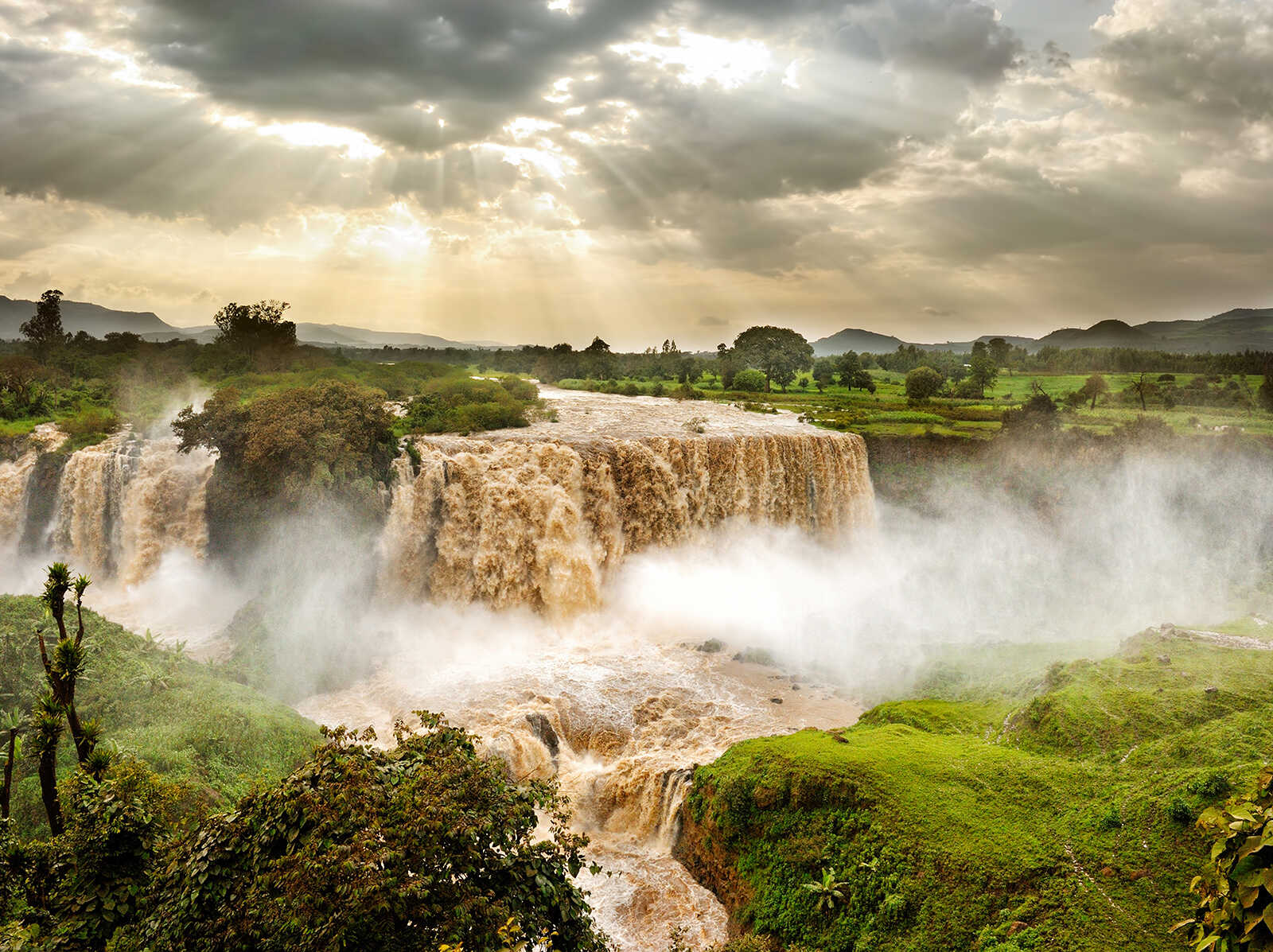
- Boats:Used for exploring lakes, such as Lake Tana (for monastery visits near Bahir Dar) or for wildlife viewing on Chamo Lake near Arba Minch. They are also integral to experiencing attractions like Blue Nile Falls.
- Mules and Donkeys:In mountainous regions, particularly for trekking in the Simien Mountains or Bale Mountains, mules and donkeys are often used to carry luggage, allowing trekkers to enjoy the stunning scenery unburdened.
Essential Tips for Travelers
To ensure a smooth journey, keep these practical tips in mind:
- Be Flexible and Patient:Ethiopian travel can be unpredictable. Delays and unexpected changes are common.
- Bargain Respectfully:For taxis and Bajajs, negotiation is expected. Agree on a price before starting your journey.
- Safety First:Keep your belongings secure, especially in crowded areas. Avoid traveling alone at night in unfamiliar places.
- Learn Basic Amharic Phrases:Even a few words like "Amesegnalehu" (thank you) or "Salamno" (hello) can greatly enhance interactions.
- Carry Small Bills:Useful for local transport and small purchases.
- Stay Hydrated:Always carry water, especially during long bus journeys or when walking.
Ethiopia's transportation network, while sometimes challenging, is an integral part of its charm. Embracing the journey, whether by air, bus, or local taxi, will offer unique insights into the country's vibrant culture and breathtaking landscapes. Plan well, stay open to new experiences, and enjoy the ride through this incredible land.