
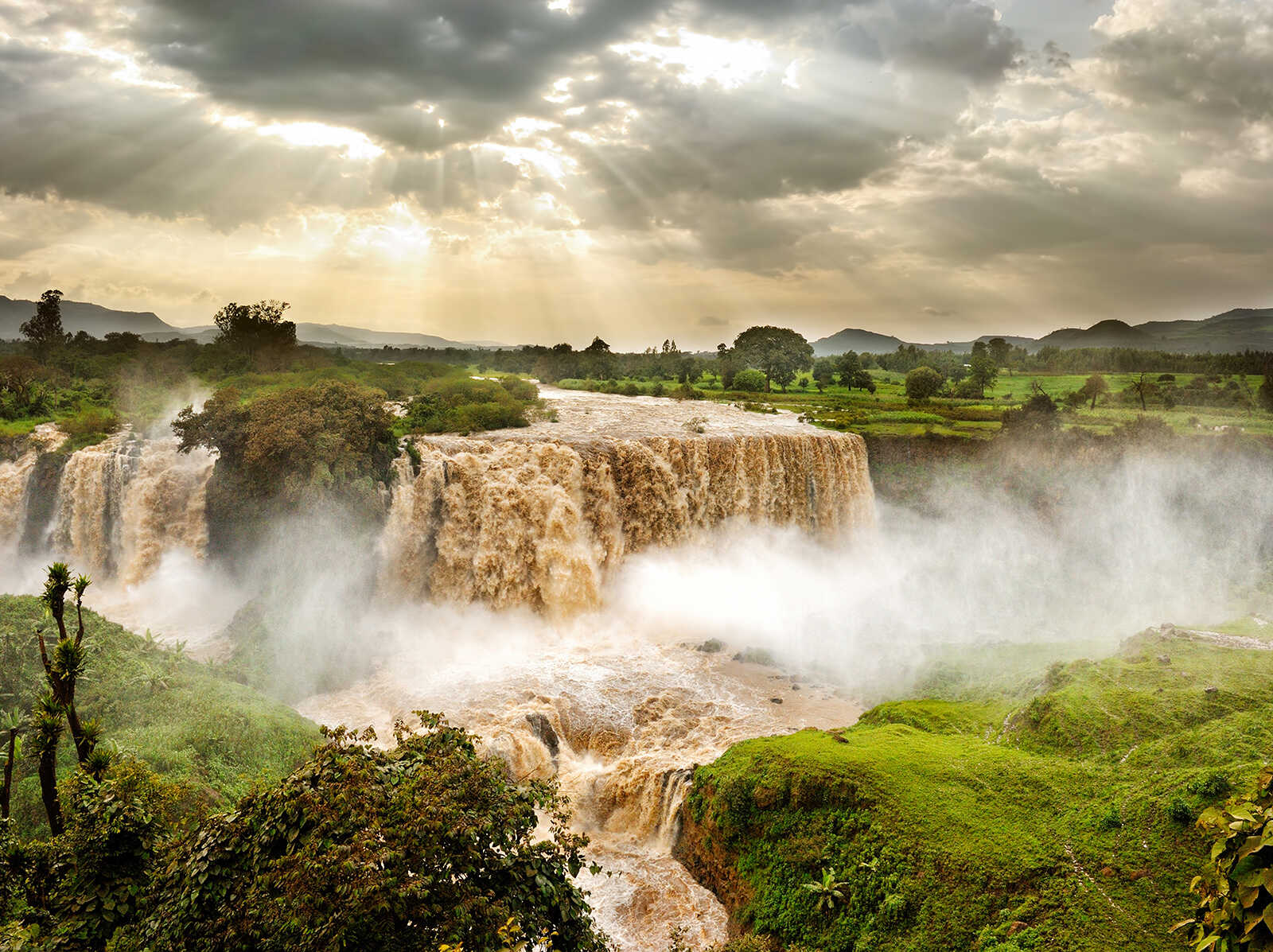
Exploring the Blue Nile Falls: A Natural Wonder Guide
Deep within the heart of Ethiopia lies a breathtaking spectacle often overshadowed but equally magnificent: the Blue Nile Falls. Known locally asTis Abay, meaning "Great Smoke," these powerful cascades offer an unforgettable experience, showcasing the raw beauty of the Ethiopian landscape and the genesis of one of the world's most iconic rivers.
The Majestic Tis Abay: An Introduction
The Blue Nile Falls are a dramatic display of nature's power, located on the Blue Nile River, a tributary of the mighty Nile. Before the river joins the White Nile in Sudan, it plunges over a sheer cliff, creating a thundering curtain of water. While hydroelectric projects have somewhat reduced its volume, especially during the dry season, the falls remain a significant natural attraction and a vital part of Ethiopia's ecological and cultural heritage.
The journey to the falls is an adventure in itself, winding through rural villages and lush landscapes, providing a glimpse into traditional Ethiopian life. It's an essential stop for anyone exploring the northern circuit of this fascinating country.
Did you know? The Blue Nile contributes approximately 80-85% of the Nile River's flow during the rainy season, making the Blue Nile Falls a critical point in the river's journey to the Mediterranean Sea.
When to Witness the Falls in Full Glory
The experience of visiting the Blue Nile Falls varies significantly with the seasons. Choosing the right time can dramatically impact your perception of this natural wonder.
The Rainy Season Advantage (June to September)
For those seeking the most powerful and voluminous display, the rainy season is ideal. During these months, the river is at its highest, and the falls live up to their "Great Smoke" moniker, sending colossal plumes of mist hundreds of meters into the air. The surrounding landscape is vibrant green, making for spectacular photographs. However, be prepared for muddy trails and potentially heavier rainfall during your trek.
The Dry Season Perspective (October to May)
While the volume of water is considerably less in the dry season due to diversions for hydroelectric power, the falls still offer a beautiful sight. The trek is often easier, and the skies are clearer, providing excellent visibility. You might also find fewer crowds. Even with reduced flow, the sheer drop and the surrounding environment make for a rewarding visit.
Planning Your Journey to Tis Abay
The gateway to the Blue Nile Falls is the bustling city of Bahir Dar, located on the southern shore of Lake Tana. This charming city serves as an excellent base for exploring the falls and other regional attractions.
Starting Point: Bahir Dar
From Bahir Dar, the falls are approximately 30 kilometers southeast. Most visitors arrange transport, often a combination of car and boat, to reach the starting point of the trek. Local tour operators in Bahir Dar can assist with organizing transportation and guides.
The Trek to the Falls
The journey from the drop-off point to the falls involves a scenic hike that typically takes 30 minutes to an hour, depending on your pace and the specific route. You'll traverse rural villages, cross a historic bridge, and navigate gentle hills. It's advisable to wear comfortable walking shoes and carry water. While local children may offer to guide you, hiring an official, knowledgeable guide from Bahir Dar is recommended for a more informative and hassle-free experience.
One of the highlights of the trek is crossing the "Portuguese Bridge," a beautiful stone arch bridge believed to have been built in the 17th century by Portuguese explorers. This historical landmark adds an extra layer of intrigue to the journey.
Experiencing the Falls Up Close
As you approach, the roar of the water grows, and a fine mist begins to kiss your skin, signaling your arrival. The main viewpoints offer spectacular panoramas of the cascading water, the deep gorge, and the lush vegetation clinging to the cliffs.
The Power of the Mist
During the peak flow, the "Great Smoke" (Tis Abay) creates rainbows that arc gracefully across the gorge, a truly magical sight. The sheer force of the water carving its way through the landscape is a humbling reminder of nature's enduring power. Take your time to absorb the views, feel the spray, and listen to the rhythmic thunder of the falls.
Beyond the Falls: Exploring Bahir Dar and Lake Tana
Your visit to the Blue Nile Falls can easily be combined with exploring the wider Bahir Dar region. Lake Tana, Ethiopia's largest lake, is dotted with ancient island monasteries dating back to the 13th century. A boat trip on the lake to visit these spiritual havens, adorned with vibrant frescoes and housing priceless religious artifacts, is a highly recommended complement to your falls adventure.
Bahir Dar itself is a pleasant city with a relaxed atmosphere, often referred to as the "Riviera of Ethiopia." It's a great place to unwind after your trek, enjoy fresh fish from the lake, and observe local life along the waterfront. Many travelers use Bahir Dar as a strategic point to explore other northern Ethiopian wonders, such as the historical castles of Fasil Ghebbi in Gondar or the majestic peaks of the Simien Mountains National Park.
Essential Tips for Visitors
- Footwear:Wear sturdy, comfortable hiking shoes, especially during the rainy season when trails can be muddy and slippery.
- Clothing:Dress in layers. A light rain jacket is advisable year-round due to the mist.
- Hydration:Carry plenty of water. The trek, though not overly strenuous, can be warm.
- Sun Protection:A hat, sunglasses, and sunscreen are essential.
- Camera Protection:Protect your camera from the mist, especially near the viewpoints during high flow.
- Local Guides:While not strictly mandatory for the trek itself, hiring a local guide is highly recommended for safety, navigation, and insightful commentary on the area's history and culture.
- Flexibility:Travel in Ethiopia can sometimes be unpredictable. Maintain a flexible attitude and enjoy the journey.
A Call to Responsible Exploration
When visiting Tis Abay, practice responsible tourism. Stick to marked trails, do not litter, and respect the local communities you pass through. Support local businesses, and be mindful of the environment that makes this natural wonder so special. Ethiopia's natural beauty, from the Great Rift Valley to the ancient city of Aksum, relies on sustainable practices.
Conclusion: An Unforgettable Ethiopian Experience
The Blue Nile Falls offer more than just a spectacular natural sight; they provide an immersive cultural and historical journey into the heart of Ethiopia. From the thrilling trek to the thunderous roar and the tranquil beauty of Lake Tana, a visit to Tis Abay promises an enriching and unforgettable experience, cementing its place as a truly remarkable natural wonder.