
Ethiopia Dry Season vs Wet Season: When to Visit
Ethiopia, a land of ancient history, breathtaking landscapes, and vibrant cultures, offers unique experiences throughout the year. Understanding the nuances of its dry and wet seasons is crucial for planning an unforgettable journey tailored to your interests.
The country's climate is primarily influenced by its diverse topography, ranging from the scorching Danakil Depression to the cool highlands. Generally, Ethiopia experiences two main seasons: the dry season and the wet season, though these can vary regionally in intensity and duration.
The Dry Season: October to May
Often considered the prime time for tourism, Ethiopia's dry season is characterized by clear skies, abundant sunshine, and lower humidity. This period offers excellent conditions for exploring most of the country.
Pros of Visiting During the Dry Season:
- Accessibility:Roads, particularly those leading to remote areas like the Omo National Park or the Bale Mountains, are generally in better condition and more accessible. This makes travel smoother and less prone to delays.
- Trekking:The dry, stable weather is ideal for hiking and trekking adventures. Destinations like the Simien Mountains National Park and the Bale Mountains offer stunning vistas and comfortable walking conditions, making it easier to spot endemic wildlife like the Gelada baboon and Ethiopian wolf.
- Wildlife Viewing:In the southern parks, animals tend to congregate around dwindling water sources, making them easier to spot. This is particularly true for safari experiences in areas like the Omo Valley.
- Cultural Exploration:Visiting Ethiopia's historical sites, such as the rock-hewn churches of Lalibela (including Bete Giyorgis), the ancient city of Aksum, or the castles of Fasil Ghebbi in Gondar, is more comfortable without the disruption of rain. The dry season also hosts significant religious festivals like Timkat (Epiphany) in January, which offers an incredible cultural spectacle.
- Danakil Depression:This is the only feasible time to explore the extreme landscapes of the Dalol hydrothermal fields and the active volcano Erta Ale, as temperatures in other seasons are dangerously high.
Cons of Visiting During the Dry Season:
- Crowds:Popular tourist sites can be busier, especially during peak months like January and February.
- Dust:Lower altitudes and unpaved roads can become quite dusty.
- Landscapes:While scenic, some areas might appear less vibrant and green compared to the wet season.
Travel Tip:If your primary goal is trekking in the highlands or exploring the Danakil Depression, the dry season (October to May) is unequivocally the best time to visit.
The Wet Season: June to September
The wet season, often referred to as the "Green Season," transforms Ethiopia's landscapes into lush, verdant panoramas. While it presents certain challenges, it also offers unique rewards for the adventurous traveler.
Pros of Visiting During the Wet Season:
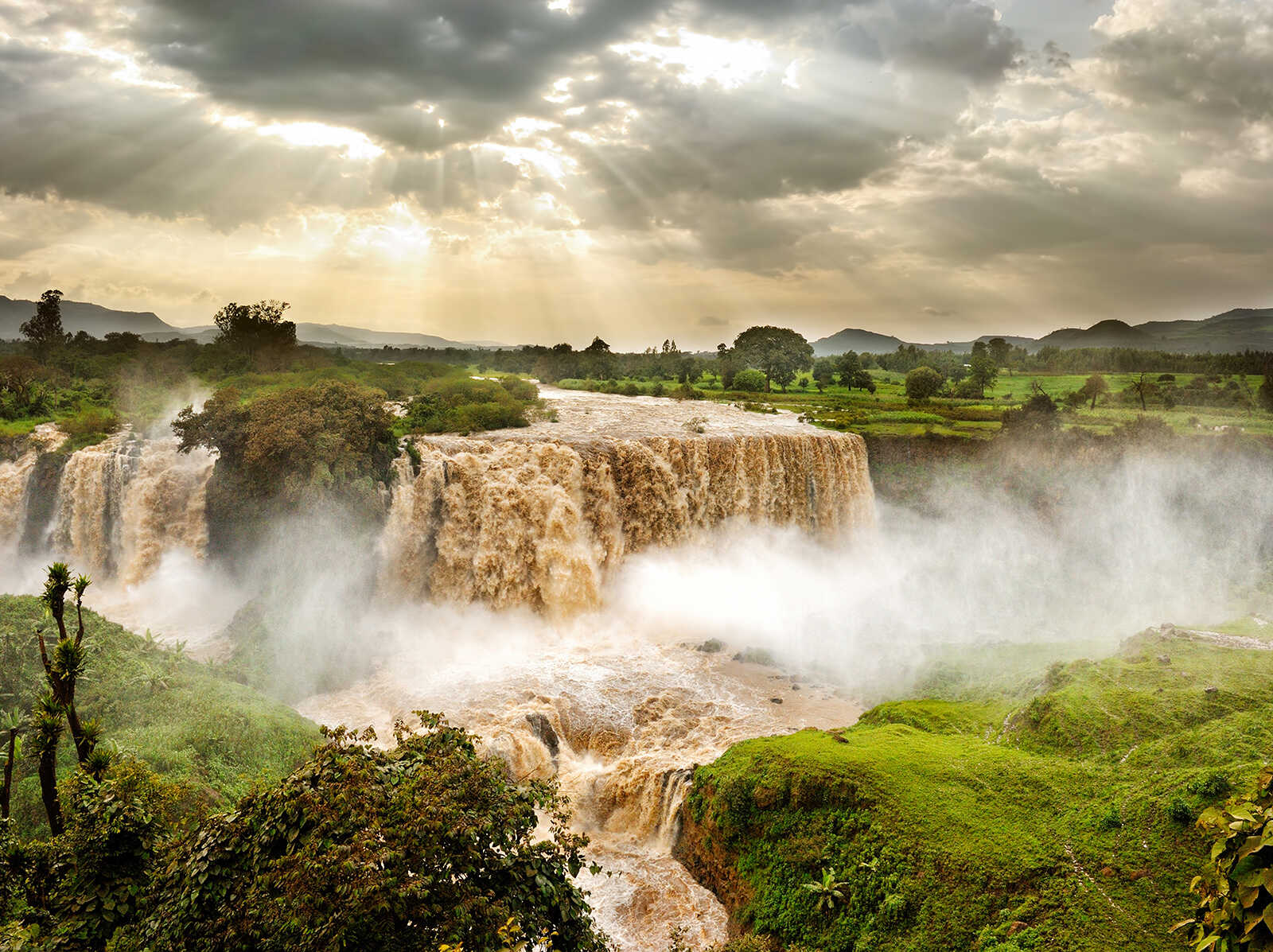
- Lush Landscapes:Ethiopia truly comes alive with vibrant greenery. The countryside is spectacular, offering incredible photographic opportunities with dramatic skies.
- Waterfalls in Full Flow:Waterfalls like the majestic Blue Nile Falls reach their peak flow, creating powerful and awe-inspiring displays.
- Fewer Crowds:With fewer tourists, you can often enjoy a more intimate and authentic experience at popular sites. This can also lead to easier access to accommodations and guides.
- Birdwatching:The wet season attracts a variety of migratory birds, making it an excellent time for bird enthusiasts, particularly around the Great Rift Valley lakes like Chamo Lake near Arba Minch.
- Cultural Immersion:Despite the rain, major festivals like Meskel (The Finding of the True Cross) occur in late September, offering profound cultural insights.
Cons of Visiting During the Wet Season:
- Accessibility:Roads, especially dirt tracks in rural and remote areas, can become muddy, slippery, or even impassable. This can lead to longer travel times and potential itinerary changes.
- Trekking:Hiking trails can be challenging due to mud and slippery conditions. Rain gear is essential, and some multi-day treks might be less enjoyable or even cancelled.
- Wildlife Viewing:Animals disperse more widely due to abundant water and food, making them harder to spot.
- Limited Activities:Some outdoor activities, particularly in the lower altitudes, may be restricted or less comfortable due.
Regional Climate Variations
Ethiopia's vast size and varied topography mean that its climate isn't uniform. While the general dry and wet season patterns hold for much of the central and northern highlands, regional differences are significant:
- Northern & Central Highlands (e.g., Lalibela, Gondar, Simien Mountains):Experience the most distinct dry (October-May) and wet (June-September) seasons. The "short rains" (Belg) can also occur from February to April.
- Southern Ethiopia (e.g., Omo Valley, Arba Minch):Has a more complex pattern, often experiencing two rainy seasons: a short one from March to May and a longer one from September to November. The dry season here runs from June to August and December to February. Accessibility to the Omo Valley is particularly affected by rain.
- Eastern Lowlands (e.g., Harar):Generally arid with sparse rainfall, often receiving two short rainy seasons.
- Danakil Depression:Remains extremely hot and arid year-round. As mentioned, the dry season is the only safe time to visit.
Making Your Decision: Key Considerations
Choosing when to visit Ethiopia ultimately depends on your travel priorities:
- For Trekkers & Wildlife Enthusiasts:Thedry season (October-May)is generally preferred for the best trekking conditions in the Simien Mountains and Bale Mountains, and optimal wildlife viewing in the south.
- For Cultural & Historical Exploration:Both seasons offer opportunities. Thedry seasonprovides easier travel between sites like Aksum,Fasil Ghebbi,Bete Giyorgis,Na'akuto La'ab,Tiya World Heritage Site, and Harar, and coincides with major festivals like Timkat. However, thewet seasonoffers a less crowded experience for visiting these ancient wonders.
- For Landscape Photography & Lush Scenery:Thewet season (June-September), particularly late in the season, is unbeatable for vibrant green landscapes and dramatic skies. Waterfalls are at their most spectacular.
- For Adventure Seekers & Budget Travelers:Thewet seasoncan offer a more adventurous journey with fewer tourists and a chance for more flexible planning, though some areas may be off-limits.
- For the Danakil Depression:Thedry season (October-May)is theonlysafe and recommended time.
Ethiopia is a destination that rewards travelers with incredible experiences regardless of the season. While the dry season offers easier access and more predictable weather, the wet season unveils a different kind of beauty, with lush landscapes and a more intimate cultural immersion. Consider what you want most from your Ethiopian adventure, and you'll find the perfect time to visit this extraordinary country.