
Essential Ethiopia Travel Insurance: What You Need to Know for Your Trip
Ethiopia, a land of ancient history, breathtaking landscapes, and vibrant cultures, promises an unforgettable adventure. As you plan your journey to explore its wonders, from the ancient rock-hewn churches of Lalibela to the dramatic peaks of the Simien Mountains National Park, securing comprehensive travel insurance is not just a recommendation—it's an essential part of responsible travel planning.
Why Travel Insurance is Non-Negotiable for Ethiopia
While the allure of Ethiopia is undeniable, like any international travel, it comes with its own set of potential challenges. From unexpected medical emergencies to lost luggage or trip cancellations, having the right travel insurance offers peace of mind, allowing you to immerse yourself fully in the experience. Ethiopia's diverse terrain, which includes remote regions like the Danakil Depression home to Erta Ale and Dalol, and varying levels of infrastructure, makes robust insurance coverage particularly important.
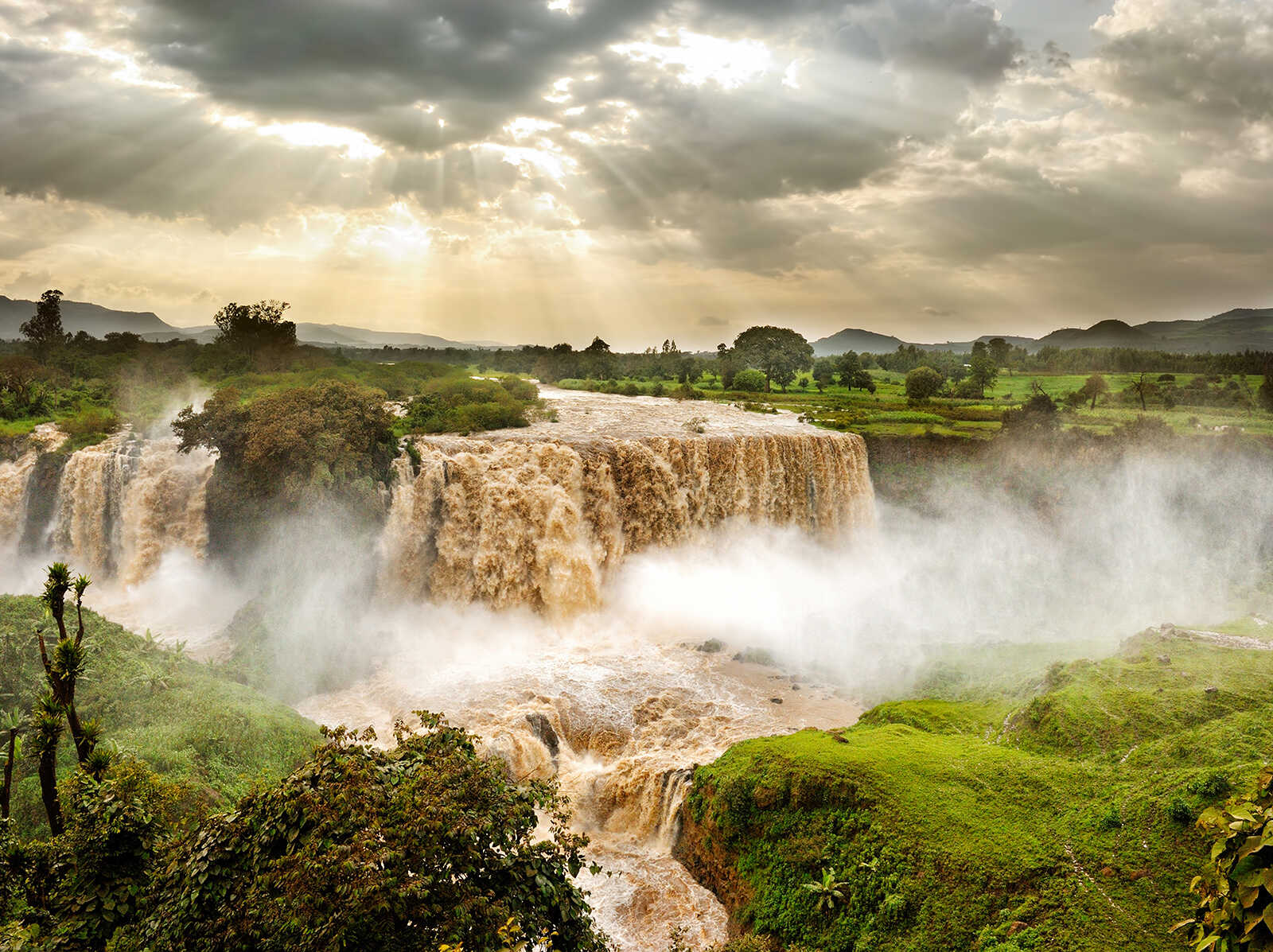
Whether you're trekking through the Simien Mountains National Park, exploring the tribal lands of Omo National Park, or marveling at the Blue Nile Falls, unforeseen circumstances can arise. A good policy will provide a safety net, protecting your financial investment and ensuring access to necessary support when you need it most.
Key Coverage Areas to Look For
When selecting your Ethiopia travel insurance, focus on policies that offer comprehensive protection across several critical areas:
Medical Emergencies & Evacuation
This is arguably the most crucial component of your travel insurance for Ethiopia. While medical facilities exist in major cities like Addis Ababa, they may be limited or far between in rural or remote areas. Your policy should cover:
- Hospitalization and Doctor Visits:For illness or injury during your trip.
- Prescription Medications:If you need new prescriptions or replacements.
- Emergency Medical Evacuation:Absolutely vital for Ethiopia. This covers the cost of transporting you to the nearest adequate medical facility, which could involve an air ambulance from remote locations such as the Bale Mountains or the Danakil Depression.
- Repatriation:The cost of medically necessary transport back to your home country if you cannot continue your trip.
Trip Cancellation & Interruption
Ethiopia trips often involve significant upfront costs for flights, tours, and accommodation. This coverage protects your financial investment against unforeseen events before or during your trip, such as:
- Sudden illness or injury (of yourself or a family member).
- Natural disasters or severe weather preventing travel.
- Unforeseen political events.
- Protection if you need to cut your trip short for a covered reason.
Lost, Stolen, or Delayed Baggage
A common travel inconvenience, this coverage can be a lifesaver. It typically includes:
- Reimbursement for essential items if your luggage is delayed for a specified period.
- Compensation for lost or stolen luggage and its contents.
Personal Liability
In the unlikely event you accidentally cause damage to property or injury to another person, this coverage protects you from potential legal costs and compensation claims.
Adventure Activities (Add-on)
If your Ethiopian itinerary includes adventurous pursuits like high-altitude trekking in the Simien Mountains National Park, exploring volcanic landscapes like Erta Ale, or diving into other physically demanding activities along the Great Rift Valley, ensure your policy explicitly covers these. Many standard policies exclude "adventure sports," so you might need to purchase an additional rider.
Specific Considerations for Ethiopia
Beyond general travel risks, certain aspects of travel in Ethiopia warrant specific attention when reviewing your insurance options:
Altitude Sickness
Many of Ethiopia's most popular destinations, including Addis Ababa, Lalibela (home to Bete Giyorgis),Fasil Ghebbi in Gondar, and the Simien Mountains National Park, are situated at high altitudes. Ensure your medical coverage includes treatment for altitude sickness and related conditions.
Remote Destinations
Venturing to places like Erta Ale,Dalol,Omo National Park, or the Bale Mountains means being far from advanced medical facilities. Comprehensive emergency evacuation coverage is paramount for these itineraries.
Road Travel
Road conditions in Ethiopia can vary significantly, and long-distance travel by road is common. While generally safe, accidents can occur. Your policy should cover medical transport from accident sites.
Pre-existing Conditions
If you have any pre-existing medical conditions, it is crucial to declare them to your insurance provider. Failure to do so could invalidate your claim. You may need a specific waiver or a policy tailored to your health needs.
Travel Tip:Always carry both a digital and physical copy of your insurance policy, including emergency contact numbers and policy details. Keep it separate from your passport and other valuables. Share this information with a trusted travel companion or family member back home.
How to Choose the Right Policy
With numerous providers and policy types available, choosing the right one can seem daunting. Here are some steps to guide you:
- Compare Providers:Research and compare policies from several reputable travel insurance companies. Look at their coverage limits, deductibles, and customer service reviews.
- Read the Fine Print:Carefully review the policy wording, paying close attention to exclusions, conditions, and claim procedures. Understand what is and isn't covered.
- Understand Medical Evacuation Limits:This is often the most expensive part of a claim. Ensure the coverage limit is substantial enough to cover an international air ambulance if required.
- Check Your Current Insurance:Some credit cards offer basic travel insurance, but it's often minimal and may not cover medical emergencies or evacuations adequately. Your domestic health insurance is also unlikely to cover international medical care fully. Always supplement if necessary.
Before You Go: Essential Steps
Once you've chosen your policy, take these final steps:
- Purchase Early:Buy your policy as soon as you've booked your trip to benefit from cancellation coverage for the longest period.
- Understand How to Make a Claim:Familiarize yourself with the claims process, including what documentation you'll need (e.g., medical reports, police reports for theft, receipts).
- Consult Your Doctor:Discuss your travel plans with your doctor, especially regarding vaccinations, anti-malarial medication (if visiting regions like the Omo National Park or Arba Minch), and any specific health precautions for high-altitude areas.
Conclusion
Traveling to Ethiopia is an enriching experience that will leave you with lasting memories, whether you're exploring the ancient stelae of Aksum, the walled city of Harar, or the majestic churches of Lalibela, including Bete Giyorgis. By investing in comprehensive travel insurance, you're not just buying a piece of paper; you're securing peace of mind. It allows you to fully engage with Ethiopia's incredible history and natural beauty, knowing you're prepared for whatever unexpected turns your adventure might take.