
Essential Amharic Phrases for Travelers in Ethiopia
Embarking on a journey through Ethiopia is an adventure for the senses, a dive into ancient history, vibrant cultures, and breathtaking landscapes. While many Ethiopians, especially in tourist areas, speak some English, learning a few essential Amharic phrases will profoundly enrich your experience, opening doors to warmer interactions and deeper cultural connections.
Why Learn Amharic? More Than Just Words
Amharic is the official working language of Ethiopia and is spoken by a significant portion of its diverse population. Beyond mere communication, making an effort to speak the local language is a sign of respect and appreciation for the culture. It can transform a transactional exchange into a genuine connection, often leading to smiles, laughter, and even invitations to partake in local customs, like a traditional coffee ceremony.
Even a simple "hello" or "thank you" in Amharic can bridge cultural gaps, making your journey through places like the ancient city of Aksum, the rock-hewn churches of Bete Giyorgis, or the bustling streets of Harar feel more personal and authentic. It's an invaluable tool for navigating markets, ordering food, or simply engaging with locals you meet along the way, whether hiking in the Simien Mountains National Park or exploring the Great Rift Valley.
Pronunciation Pointers: A Quick Guide
Amharic uses a unique script called Fidel, which can look daunting. However, you don't need to master the script to speak basic phrases. Focus on listening to native speakers and approximating the sounds. Here are a few tips for common Amharic sounds:
- 'e': Often pronounced like the 'e' in "bed" or "get."
- 'a': Similar to the 'a' in "father."
- 'i': Like the 'ee' in "see."
- 'o': Like the 'o' in "go."
- 'u': Like the 'oo' in "moon."
- 'ch': As in "church."
- 'sh': As in "shoe."
- Many consonants have a slightly different emphasis or are "ejective" (produced with a burst of air), which can be tricky. Don't worry about perfection; effort is appreciated.
Greetings and Basic Courtesy
These are your foundational phrases, essential for any interaction and guaranteed to elicit a warm response.
- Hello / Peace:Selam(ሰላም)
- How are you? (to a man):Dehna neh?(ደህና ነህ?)
- How are you? (to a woman):Dehna nesh?(ደህና ነሽ?)
- I am fine:Dehna negn(ደህና ነኝ)
- Thank you:Amesegenallo(አመሰግናለሁ)
- You're welcome / No problem:Minim aydelem(ምንም አይደለም)
- Excuse me / Sorry:Yekerta(ይቅርታ)
- Yes:Awo(አዎ)
- No:Ayi(አይ)
- Okay / Alright:Eshi(እሺ)
- Good morning:Endeman aderk?(እንደምን አደርክ?) - to a man;Endeman adersh?(እንደምን አደርሽ?) - to a woman
- Good night:Dehna yideru(ደህና ይደሩ) - respectful, plural
Getting Around: Essential Travel Phrases
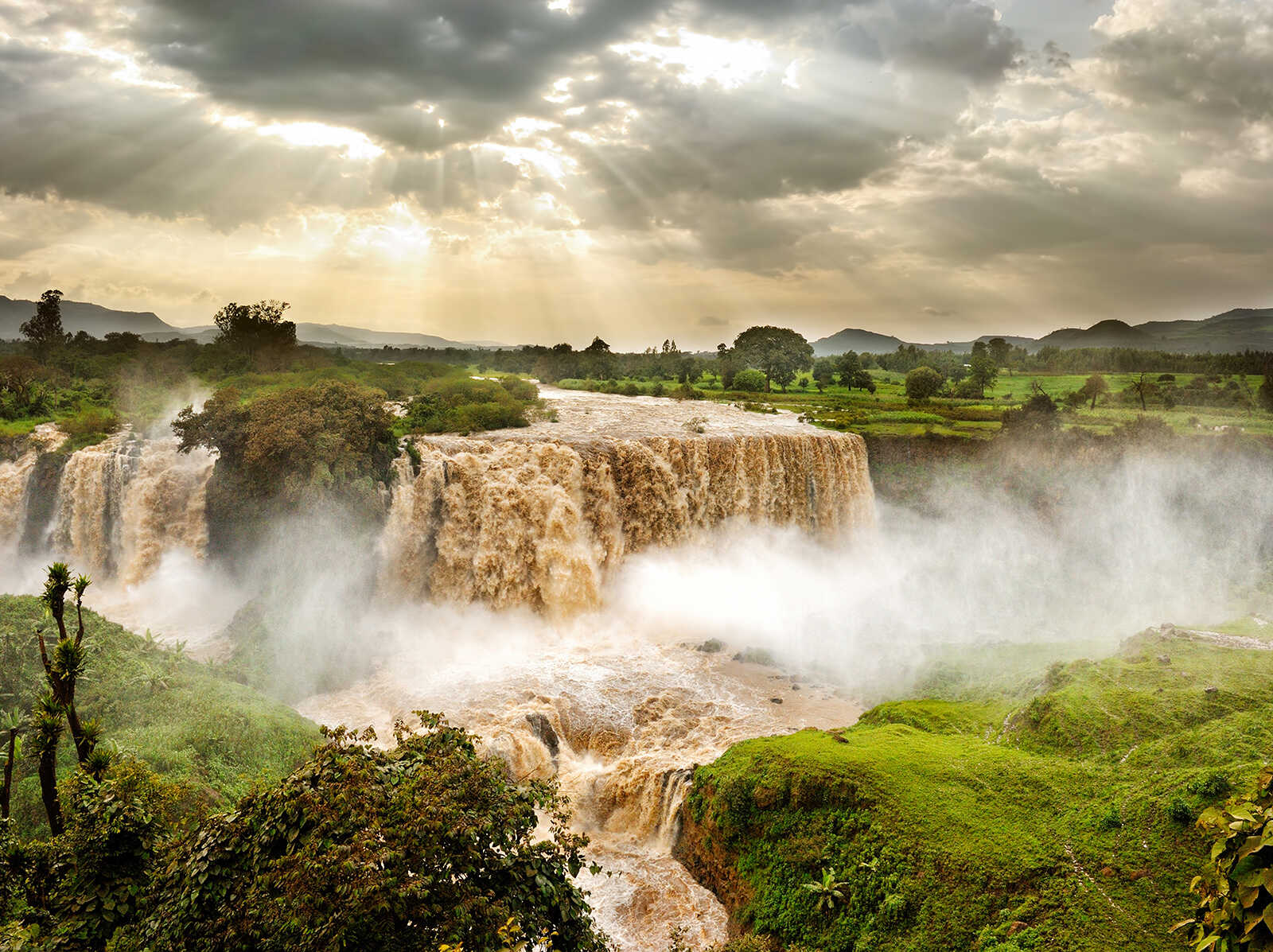
Navigating the vibrant cities and stunning landscapes of Ethiopia becomes easier with these phrases. Whether you're exploring the royal enclosure of Fasil Ghebbi in Gondar or heading towards the majestic Blue Nile Falls, these will come in handy.
- Where is...?:...yete naw?(...የት ነው?)
- Go:Hid(ሂድ) - to a man;Hidi(ሂጂ) - to a woman
- Stop:Qom(ቁም) - to a man;Qomi(ቁሚ) - to a woman
- Water:Wuha(ውሃ)
- Toilet / Bathroom:Shint bet(ሽንት ቤት)
- I don't understand:Algebanim(አልገባኝም)
- Can you help me?:Etebkun?(እተባብቀኝ?) - to a man;Etebakish?(እተባበቂሽ?) - to a woman
- What is this?:Minu new?(ምኑ ነው?)
Amharic is a Semitic language, related to Arabic and Hebrew, but it has developed its own unique script, Fidel (ፊደል), which means "alphabet" or "letter." Unlike typical alphabets, Fidel is an abugida, where each symbol represents a consonant-vowel syllable.
Dining and Shopping: Practical Phrases
Ethiopian cuisine is renowned, and engaging with locals in markets or restaurants is a highlight for many travelers. Try these phrases while enjoyinginjeraandwot, or bargaining for souvenirs near the Tiya World Heritage Site.
- Coffee:Bunna(ቡና)
- Tea:Shay(ሻይ)
- Milk:Wetet(ወተት)
- Bread:Dabbo(ዳቦ)
- Delicious!:Tu'um new!(ጥሩም ነው!) orYemetcha!(የመጣ!)
- I want...:...efelegalehu(...እፈልጋለሁ)
- Please give me...:...sitñ(...ስጠኝ)
- The bill, please:Billu sitñ(ቢሉ ስጠኝ)
The Ethiopian coffee ceremony is a cornerstone of social life. Learning to express your appreciation for this ritual can lead to memorable experiences. It’s a beautiful tradition you might encounter anywhere from bustling Addis Ababa to a small village in the Omo National Park region.
Numbers: A Quick Reference
Knowing numbers is incredibly helpful for directions, understanding times, and general transactions, even if you avoid direct price discussions.
- One:And(አንድ)
- Two:Hulet(ሁለት)
- Three:Sost(ሶስት)
- Four:Arat(አራት)
- Five:Amist(አምስት)
- Six:Sidist(ስድስት)
- Seven:Sebat(ሰባት)
- Eight:Soment(ስምንት)
- Nine:Zeteñ(ዘጠኝ)
- Ten:Asir(አስር)
Beyond Phrases: Non-Verbal Communication
While words are powerful, non-verbal cues are equally important in Ethiopia:
- Head Nods: A quick downward nod usually means "yes," while a slight upward tilt of the head (often accompanied by a soft click of the tongue) means "no." This can be confusing for Westerners initially.
- Pointing: Avoid pointing with your finger; instead, use a gentle tilt of the head or a sweeping gesture with an open hand.
- Smiling: A genuine smile is universally understood and can diffuse many communication barriers.
- Patience: Things often move at a different pace. Patience and a relaxed demeanor go a long way.
Experiencing Ethiopia: Put Your Amharic to Use
Your newly acquired Amharic phrases will be invaluable as you explore Ethiopia's diverse regions. Imagine using them to greet locals while trekking through the stunning landscapes of the Bale Mountains, asking for directions to the ancient rock-hewn churches of Na'akuto La'ab, or engaging with boatmen on Chamo Lake near Arba Minch. Even in remote areas like the Danakil Depression, near Erta Ale and Dalol, a few words can significantly enhance your interactions with guides and local communities.
Don't be afraid to try! Ethiopians are generally very welcoming and appreciative of visitors who make an effort to speak their language. You'll find that these small linguistic steps lead to truly memorable and authentic encounters.
Learning even a handful of Amharic phrases will transform your Ethiopian adventure from a tourist visit into a rich, interactive journey. It’s a sign of respect, a bridge to connection, and a key to unlocking the true warmth and hospitality of the Ethiopian people. So, pack your bags, practice your greetings, and prepare for an unforgettable experience!