
Bete Giyorgis Church: Lalibela's Iconic Masterpiece and How to Visit
Deep within the highlands of Ethiopia lies Lalibela, a town renowned for its extraordinary rock-hewn churches. Among these ancient wonders, none captures the imagination quite like Bete Giyorgis, or the House of Saint George, a breathtaking testament to faith and architectural genius carved directly from the earth itself.
Lalibela: A Pilgrimage into Stone
Often referred to as the "New Jerusalem," Lalibela is an unparalleled pilgrimage site and a UNESCO World Heritage treasure. Its eleven monolithic churches, sculpted downwards from living rock in the 12th and 13th centuries, represent an incredible feat of engineering and devotion. These structures are not built; they are excavated, forming a subterranean world of worship that continues to host vibrant religious ceremonies today.
Bete Giyorgis: A Symbol of Devotion
Even within this extraordinary collection, Bete Giyorgis stands apart. Its iconic cruciform shape, perfectly symmetrical and isolated within a deep trench, makes it the most famous and visually striking of Lalibela's churches. It is a masterpiece of monolithic architecture, hewn entirely from a single block of volcanic tuff.
The Legend and History
Local legend attributes the construction of Lalibela's churches to King Lalibela, who, after a vision, sought to create a "New Jerusalem" in the heart of Ethiopia. It is said that angels assisted the workers, carving by day and night. While the exact timeline remains debated, historical consensus points to the late 12th and early 13th centuries as the period of their creation, a truly remarkable achievement given the tools and technology of the era.
Architectural Marvel and Spiritual Significance
What makes Bete Giyorgis so remarkable is not just its form, but its method of creation. Unlike conventional buildings, it was carved from the top down. Artisans first outlined the cross shape on the surface of the rock, then meticulously chipped away the surrounding stone to create a deep trench, gradually revealing the church's exterior and interior chambers. The result is a structure that feels both grounded and ethereal, a profound embodiment of spiritual endeavor.
The construction of Bete Giyorgis is a marvel: it was carved from the top down, a process that involved excavating a deep trench around a massive block of rock, then meticulously shaping the interior and exterior details from the remaining stone. This unique method makes it truly monolithic.
Visitors descend into the trench surrounding the church via a narrow tunnel, emerging into a courtyard that provides a dramatic perspective of the towering stone edifice. Inside, the church is relatively simple, yet profoundly atmospheric, with an altar and ancient religious artifacts that have witnessed centuries of prayer.
Exploring the Lalibela Complex
While Bete Giyorgis is a highlight, it is crucial to remember it is part of a larger complex of eleven churches, typically grouped into three clusters:
- Northern Group:Includes Bete Medhane Alem, Bete Maryam, Bete Meskel, Bete Danaghel, and Bete Golgotha (which houses a replica of Adam's tomb).
- Western Group:Home to Bete Giyorgis, standing alone.
- Eastern Group:Features Bete Amanuel, Bete Qeddus Mercoreus, Bete Abba Libanos, and Bete Gabriel-Rufael.
Underground tunnels and passages connect many of these churches, making exploration an immersive journey through sacred history. Beyond the main cluster, other significant churches like Na'akuto La'ab, often carved into caves, offer further insights into Ethiopia's rich spiritual heritage.
Planning Your Visit to Lalibela
A trip to Lalibela is an unforgettable experience, requiring some practical planning to make the most of your journey.
Getting There
The most common way to reach Lalibela is by flying into Lalibela Airport (LLI). Several domestic airlines operate regular flights from Addis Ababa. While road travel is possible, especially from nearby cities like Gondar, it can be lengthy and challenging due to mountainous terrain and road conditions.
Best Time to Visit
The dry season, fromOctober to March, is generally considered the best time to visit Lalibela. The weather is pleasant, and roads are more accessible. Visiting during major Ethiopian Orthodox festivals, such as Genna (Christmas, January 7th) or Timkat (Epiphany, January 19th), offers a profoundly spiritual and culturally rich experience, though it requires booking accommodation and tours well in advance due to increased crowds.
Accommodation
Lalibela offers a range of accommodation options, from basic guesthouses to more comfortable hotels. It's advisable to book your stay ahead of time, especially during peak season or festivals.
Guided Tours
Hiring a local, licensed guide is highly recommended for exploring the churches. Guides provide invaluable historical context, explain religious practices, and help navigate the complex network of passages. They can also assist with practicalities like purchasing entrance tickets.
What to Expect
- Footwear:You will be asked to remove your shoes before entering the churches as a sign of respect. Wear comfortable shoes that are easy to slip on and off.
- Attire:Dress modestly, covering shoulders and knees, out of respect for the religious sites.
- Photography:Photography is generally permitted, but always ask permission before taking photos of people, especially during religious ceremonies.
- Physical Demands:Be prepared for uneven terrain, steps, and dimly lit passages. The churches are accessed by descending into trenches, which can be physically demanding for some.
Beyond Lalibela: Discovering Ethiopia
Ethiopia is a country of immense diversity, and a visit to Lalibela can be a cornerstone of a broader exploration. Consider extending your journey to:
- Historical North:Explore the ancient obelisks and stelae of Aksum, the legendary Ark of the Covenant, and the imperial castles of Fasil Ghebbi in Gondar.
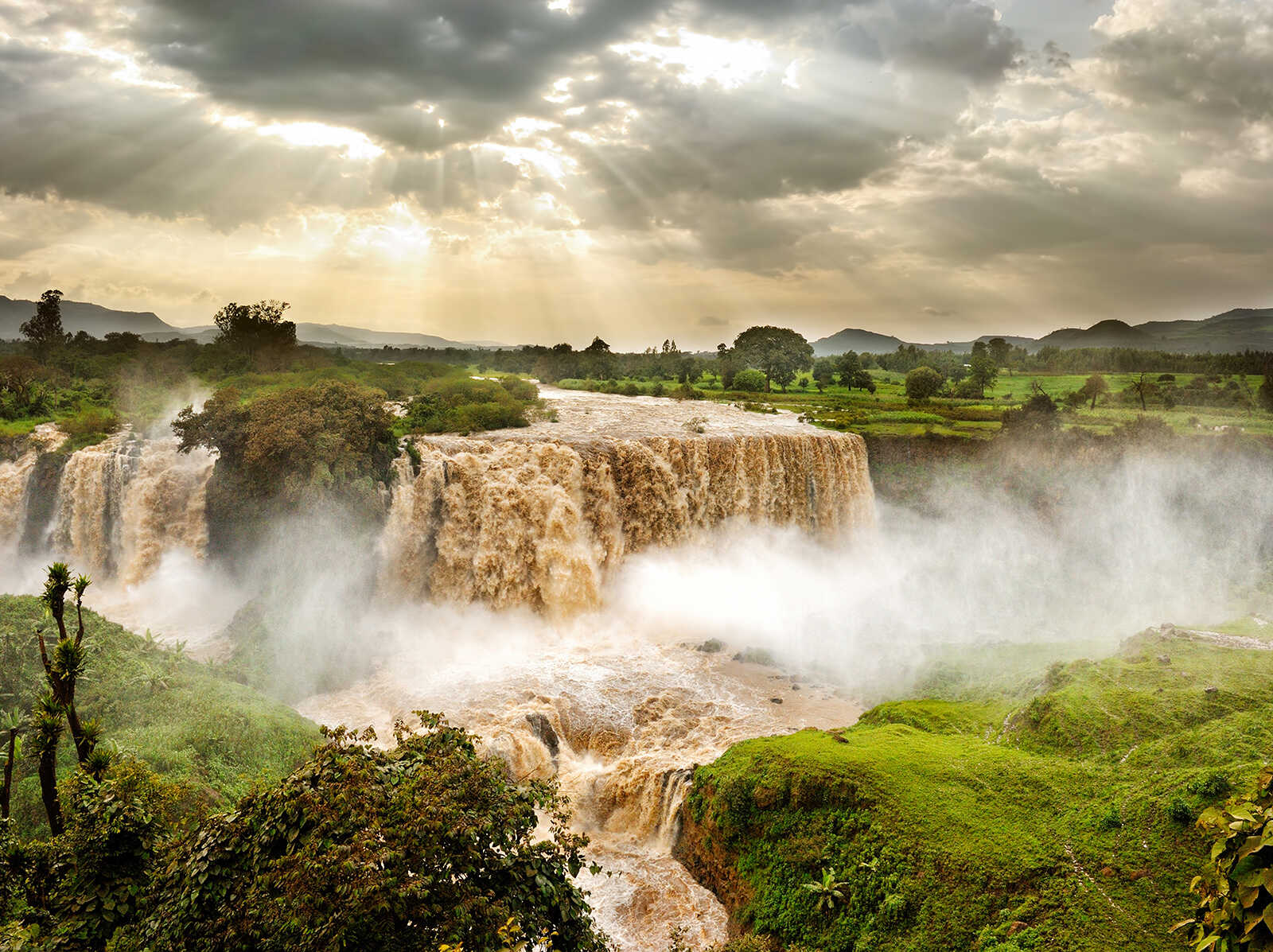
- Natural Wonders:Trek through the dramatic landscapes of Simien Mountains National Park, home to unique wildlife like the Gelada baboon. Witness the raw power of Blue Nile Falls or venture into the otherworldly landscapes of the Danakil Depression to see Erta Ale volcano and the colorful mineral deposits of Dalol.
- Cultural Experiences:Immerse yourself in the walled city of Harar, a UNESCO site known for its hyena feeding tradition and vibrant markets, or delve into the ancient megalithic sites like Tiya World Heritage Site.
Conclusion
Bete Giyorgis Church is more than just an architectural marvel; it is a profound spiritual landmark and a window into Ethiopia's enduring faith and rich history. A visit to Lalibela and its extraordinary rock-hewn churches, with Bete Giyorgis as its crown jewel, promises an experience that transcends mere tourism, offering a deep connection to a place where history, art, and spirituality converge in the most remarkable way imaginable.