
Best Time to Visit Ethiopia: A Seasonal Travel Guide
Ethiopia, a land of ancient history, stunning landscapes, and vibrant cultures, offers an unparalleled travel experience. To make the most of your adventure, understanding its diverse climate and seasonal nuances is key to planning the perfect trip.
Understanding Ethiopia's Diverse Climate
Ethiopia's varied topography, ranging from soaring mountains to the scorching Danakil Depression, creates a complex climate system. Generally, the country experiences two main seasons: the dry season (October to February) and the wet season (June to September), with shoulder seasons in between. However, regional variations are significant.
- Highlands:Most of the historical circuit and trekking regions (e.g.,Simien Mountains National Park,Bale Mountains) enjoy temperate climates with cooler temperatures.
- Lowlands:Areas like the Great Rift Valley, Omo Valley, and the Danakil Depression are considerably hotter and drier, with extreme temperatures in some parts.
Choosing the right time depends largely on your planned activities and desired destinations.
The Dry Season: October to February – The Golden Window
Often considered thebest time to visit Ethiopiafor most travelers, the dry season brings clear skies, comfortable temperatures, and excellent accessibility across the country. This period is ideal for a vast array of experiences.
Highland Adventures and Historical Treasures
The dry months are perfect for exploring Ethiopia's northern historical circuit. Imagine wandering through the ancient ruins of Aksum, marveling at the rock-hewn churches of Lalibela (including the iconic Bete Giyorgis and Na'akuto La'ab), or discovering the castles of Fasil Ghebbi in Gondar. Trekking in the Simien Mountains National Park or Bale Mountains is also at its prime, offering breathtaking vistas and opportunities to spot endemic wildlife like the Gelada baboon and Ethiopian wolf.
Road conditions are generally excellent, making travel between sites smooth. Cultural festivals such asTimkat(Ethiopian Epiphany, typically January 19th) andGenna(Ethiopian Christmas, typically January 7th) fall within this period, offering incredibly vibrant and unique cultural insights.
Exploring the Lowlands and Southern Ethiopia
For those venturing into the more extreme landscapes, the dry season is crucial. The scorching Danakil Depression, home to the otherworldly landscapes of Erta Ale(the active lava lake) and Dalol, is best (and sometimes only) accessible during these cooler, drier months. Similarly, the remote Omo Valley, with its fascinating tribal cultures around Omo National Park and near towns like Arba Minch and Chamo Lake, is most easily navigated from October to February.
Travel Tip:While the dry season is ideal, it's also peak tourist season. Booking accommodations and tours well in advance, especially around major festivals, is highly recommended.
The Shoulder Season: March to May – Before the Rains
This period offers a transitional experience. The temperatures begin to rise, particularly towards May, but the crowds are thinner than in the peak dry season. It can be an excellent time for travelers seeking a balance between good weather and fewer tourists.
- Highlands:Still pleasant for historical site visits and moderate trekking, though days can be warmer.
- Lowlands:Temperatures in areas like the Danakil Depression become intensely hot, making visits challenging and sometimes uncomfortable.
- Southern Ethiopia:The Omo Valley remains relatively accessible, but heat can be a factor.
Early March can still feel very much like the dry season, offering a sweet spot before the main rains begin. Photography enthusiasts often appreciate the softer light and clearer air before the intense heat of late spring.
The Wet Season: June to September – The Green Season
Known locally as "Kremt," the wet season transforms Ethiopia into a lush, vibrant green landscape. While it presents some travel challenges, it also offers unique advantages and experiences.
Nature's Splendor and Unique Perspectives
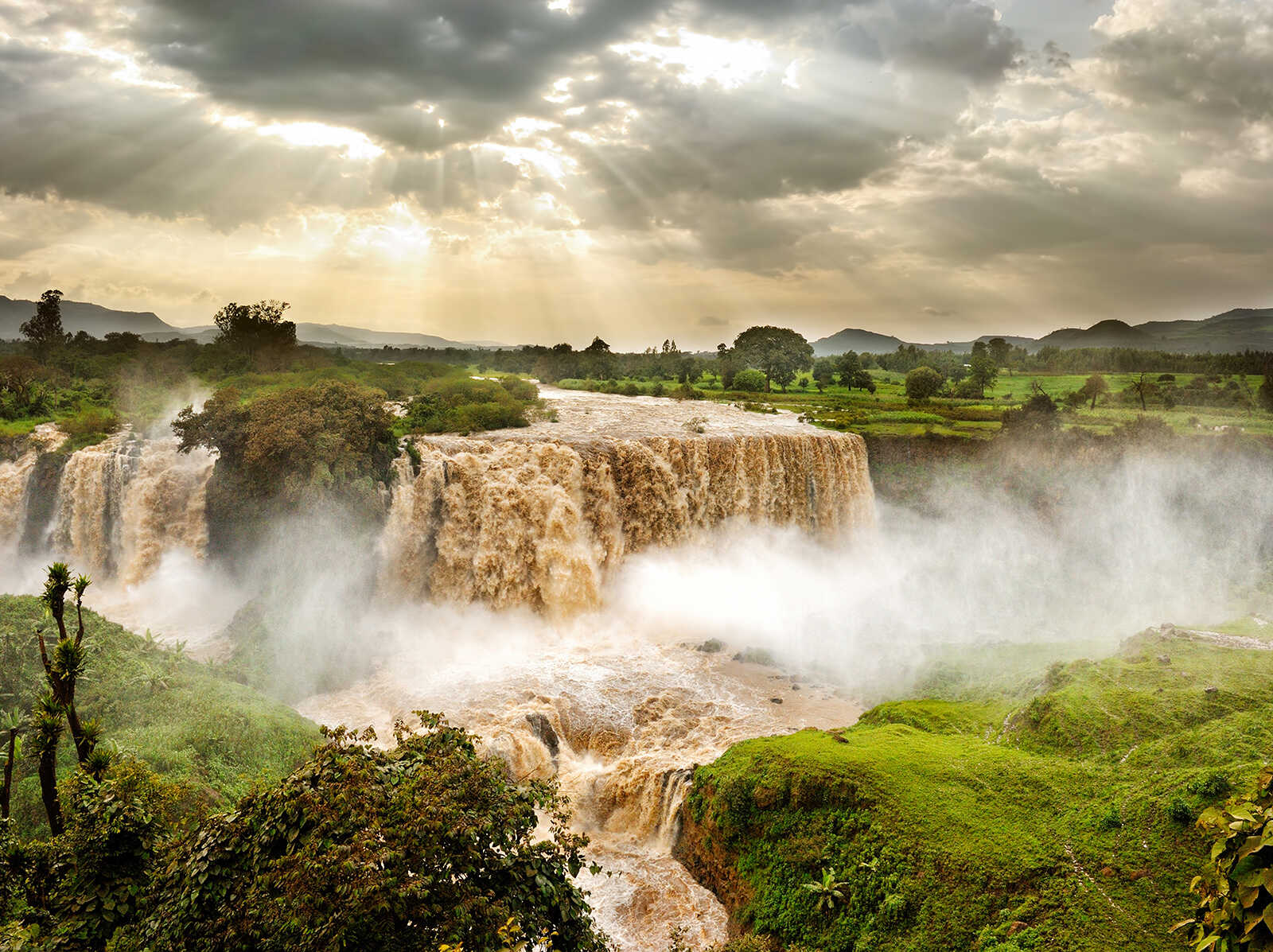
The rainfall revitalizes the land, making it incredibly picturesque. Waterfalls, such as the impressive Blue Nile Falls, are at their most spectacular and powerful during this time. The highlands are verdant, making for stunning photographic opportunities, although trekking can be muddier and more challenging. The historical sites remain accessible, and with fewer tourists, you might find a more intimate experience.
The capital, Addis Ababa, and historical cities like Harar(known for its walled city and hyena feeding traditions) are generally accessible year-round, though the rain can impact outdoor activities. The ancient stelae field of Tiya World Heritage Site is also accessible, offering a mystical atmosphere amidst the greenery.
Challenges of Wet Season Travel
The main challenges during the wet season include muddy and sometimes impassable dirt roads, particularly in remote areas. This can lead to travel delays or necessitate changes in itinerary. Domestic flights are generally unaffected, but overland travel, especially to regions like the Omo Valley or the Danakil, becomes extremely difficult or impossible.
Humidity is higher, and while temperatures in the highlands remain moderate, the lowlands become very uncomfortable due to heat and humidity. Despite these challenges, the wet season offers a unique glimpse into Ethiopia's natural beauty and a chance to experience its culture without the crowds.
Fun Fact:Ethiopia has its own unique calendar, which is seven to eight years behind the Gregorian calendar, and a 13-month year, with the final month having only five or six days.
Best Time for Specific Interests
- Trekking (Simien Mountains, Bale Mountains):October to Februaryis ideal for clear skies and comfortable hiking conditions.
- Danakil Depression (Erta Ale, Dalol):StrictlyNovember to Februaryfor safety and accessibility due to extreme heat at other times.
- Cultural Festivals (Timkat, Meskel):Januaryfor Timkat,Septemberfor Meskel. Plan well in advance for these popular events.
- Wildlife Viewing (Omo National Park, Bale Mountains):November to February, as animals congregate around water sources, making them easier to spot.
- Blue Nile Falls:August to Septemberfor the most powerful display after the heavy rains.
- Historical Circuit (Aksum, Lalibela, Gondar):October to Februaryfor optimal weather and road conditions, but accessible year-round with varying comfort levels.
Conclusion: Tailoring Your Ethiopian Adventure
Ethiopia is a destination that rewards year-round exploration, but the "best" time truly depends on your priorities. For most visitors seeking comfortable temperatures, clear skies, and easy access to all major attractions, thedry season (October to February)is undoubtedly the prime choice. However, the shoulder season offers a quieter alternative, and the wet season unveils a dramatically green landscape and a more authentic, uncrowded experience for the adventurous traveler.
Regardless of when you choose to visit, Ethiopia promises an unforgettable journey filled with ancient wonders, vibrant traditions, and breathtaking natural beauty.