
Is Estonia Worth Visiting? An Honest Traveler's Guide
Often overlooked in favor of its more famous Baltic neighbors, Estonia is a captivating blend of medieval charm, untouched wilderness, and digital innovation. But is this Nordic-Baltic nation truly worth a spot on your travel itinerary? Let's dive into an honest assessment to help you decide.
Why Estonia Stands Out: The Pros
Estonia offers a unique travel experience, appealing to a wide range of interests from history buffs to nature lovers and tech enthusiasts.
Historical Charm Meets Modernity
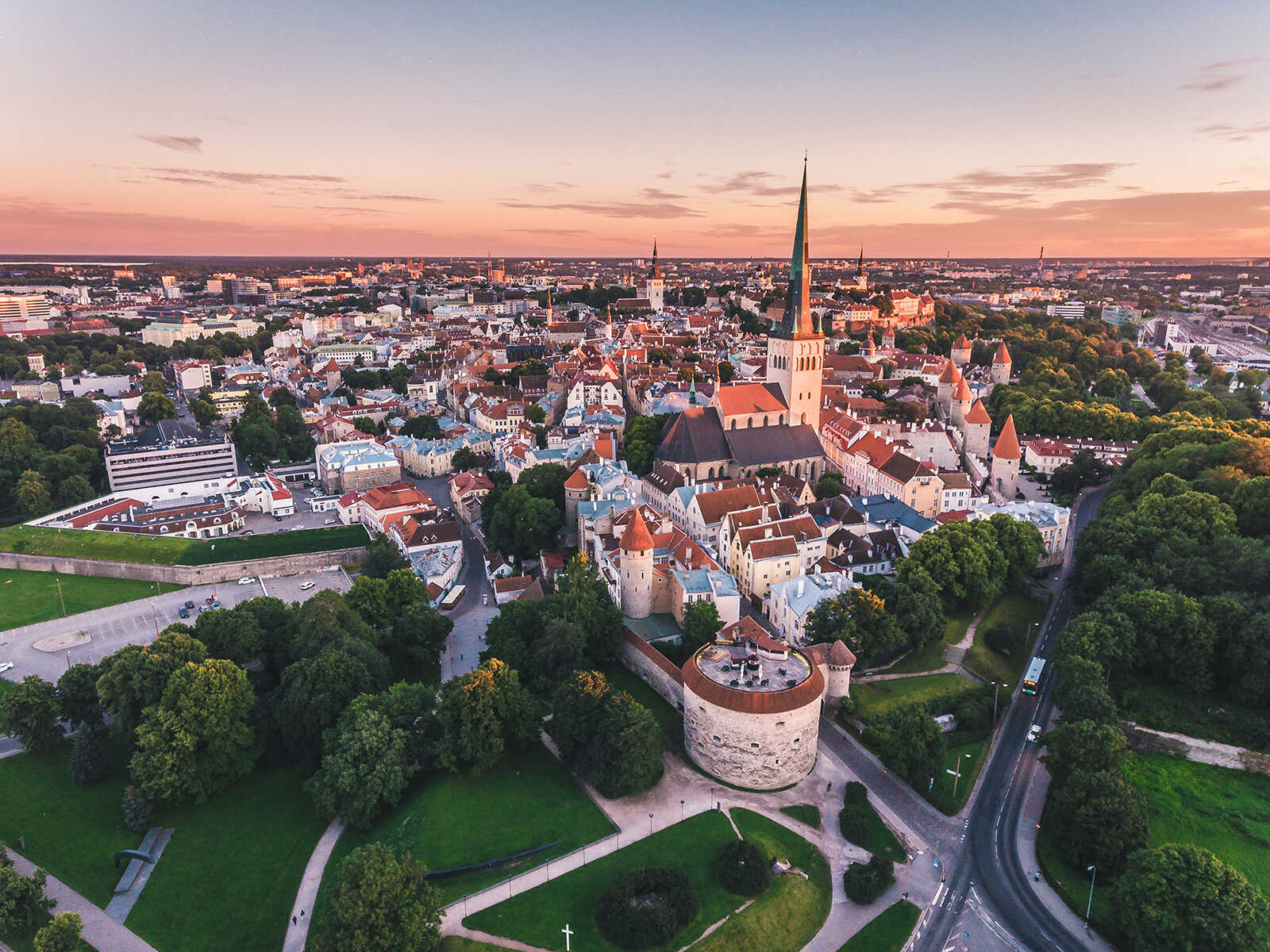
Estonia beautifully intertwines its rich past with a forward-thinking present. Tallinn's UNESCO-listed Old Town is a fairytale come true, with cobblestone streets, ancient city walls, and Gothic spires. You can wander through centuries of history, exploring merchant houses and grand churches like the iconic Alexander Nevsky Cathedral. Yet, just a short walk away, you'll find a vibrant modern city, a hub for startups and digital innovation. This contrast provides a dynamic backdrop to your visit, offering both historical depth and contemporary flair.
Stunning Natural Beauty
Beyond the cities, Estonia is a haven for nature lovers. Over half of the country is covered by forests, and its landscape features vast bogs, pristine coastlines, and over 2,000 islands. National parks like Lahemaa National Park and Soomaa National Park offer incredible opportunities for hiking, bog walking, and wildlife spotting. The distinct seasons transform the scenery, from lush green summers to snow-covered winters, each offering its own charm.
Digital Nation & Innovation
Estonia is renowned as one of the world's most digitally advanced societies. From e-governance to e-residency, the country embraces technology wholeheartedly. This means excellent public Wi-Fi, easy digital services, and a generally tech-savvy population. While this might not be a direct tourist attraction, it contributes to a smooth and efficient travel experience, often surprising visitors with its modernity.
Did you know?Estonia was the first country in the world to introduce online voting for national elections in 2005.
Unique Cultural Experience
Estonian culture is a fascinating blend of Nordic, Baltic, and even some Eastern European influences. It's distinct from its neighbors, with its unique Finno-Ugric language and a strong connection to its folklore and traditions. From the Song Festivals to local crafts and cuisine, visitors can delve into a culture that is both resilient and deeply rooted in its natural environment. The Estonian Open Air Museum near Tallinn provides an excellent immersion into rural Estonian life through the centuries.
Relative Affordability
Compared to Western Europe or Scandinavia, Estonia generally offers better value for money. Accommodation, dining, and transportation can be quite reasonable, making it an attractive destination for travelers looking to explore Europe without breaking the bank. While specific costs fluctuate, the overall experience tends to be more budget-friendly.
Safety and Cleanliness
Estonia is considered a very safe country with low crime rates, allowing travelers to explore with peace of mind. Cities and natural areas are generally well-maintained and clean, contributing to a pleasant and comfortable visit.
Things to Consider Before You Go: The Practicalities
While Estonia has much to offer, there are a few aspects to keep in mind:
Language Barrier (Minor)
Estonian is a challenging language for most foreigners. However, in Tallinn,Tartu, and other major tourist areas, English is widely spoken, especially by younger generations and those in the service industry. Outside these areas, particularly in rural regions, communication might be more challenging, though people are generally helpful.
Weather Expectations
Estonia experiences distinct seasons. Winters are cold, dark, and snowy, which can be magical but also challenging for those unaccustomed to the climate. Summers are pleasantly warm but relatively short. Spring and autumn can be beautiful but unpredictable. Be prepared for the weather conditions corresponding to your travel dates, especially if you plan to explore nature.
Getting Around Outside Major Cities
Public transportation within Tallinn and Tartu is excellent. However, exploring more remote areas, especially the national parks or islands like Saaremaa or Hiiumaa, often requires renting a car or utilizing intercity buses, which might have less frequent schedules.
Pace of Life
While Tallinn can be bustling, the overall pace of life in Estonia is generally calmer than in larger Western European metropolises. This can be a pro for those seeking relaxation, but might feel quiet to travelers accustomed to constant high energy.
Top Experiences & Destinations in Estonia
If you decide to visit, here are some must-see places and experiences:
Tallinn: The Fairytale Capital
- Old Town:Wander through its medieval streets, climb to Toompea Hill for panoramic views, and visit landmarks like the Alexander Nevsky Cathedral.
- Museums:Explore maritime history at the Seaplane Harbour, delve into traditional life at the Estonian Open Air Museum, or discover art and history at Kadriorg Park, home to Kadriorg Palace.
- Kalamaja & Telliskivi:Experience Tallinn's trendy, bohemian side with street art, independent shops, and diverse eateries.
Beyond the Capital: Exploring Estonia
- Tartu:Estonia's intellectual and cultural heart, a vibrant university city with beautiful architecture and a youthful atmosphere.
- Pärnu:The "Summer Capital," famous for its sandy beaches, spas, and lively summer events.
- Saaremaa&Hiiumaa:Estonia's largest islands, offering unique coastal landscapes, windmills, lighthouses, and a slower pace of life.
- National Parks:Hike through the ancient forests and bogs of Lahemaa National Park, explore the floodplains of Soomaa National Park(especially during "fifth season" floods), or birdwatch at Matsalu National Park.
- Narva Museum:Located in Estonia's easternmost city, offering insights into the country's complex history at the intersection of cultures.
- Viljandi castle hill:Home to the ruins of a Teutonic Order castle, providing a picturesque backdrop to the city of Viljandi, known for its folk music festival.
- Estonian National Museum:Located in Tartu, this modern museum offers an in-depth look at Estonian history, culture, and traditions through engaging exhibits.
Practical Tips for Your Trip
- Best Time to Visit:Summer (June-August) offers the warmest weather and longest daylight hours, ideal for outdoor activities and festivals. Spring and autumn are beautiful for nature but cooler. Winter is magical for snow activities and Christmas markets, but prepare for cold and short days.
- Currency:Euro (EUR).
- Getting Around:Tallinn's airport is well-connected. Buses are efficient for intercity travel. Consider renting a car for exploring rural areas and islands.
- Food:Don't miss traditional Estonian dishes like black bread, hearty soups, smoked fish, and kama (a traditional dessert).
The Verdict: So, Is Estonia Worth Visiting?
Absolutely. Estonia is a destination that truly offers something for everyone, often exceeding expectations. It successfully combines a rich, accessible history with stunning natural landscapes and a surprisingly modern, digitally advanced society. It’s ideal for travelers seeking a unique European experience that blends cultural depth with outdoor adventure, all while offering good value. Whether you're drawn to medieval charm, untouched nature, or cutting-edge technology, Estonia provides a compelling and rewarding journey.
If you're looking for an authentic, less-trodden path in Europe that promises both relaxation and discovery, then Estonia is undoubtedly worth visiting.