
Best Time to Visit Estonia: Planning Your Perfect Trip
Estonia, a captivating Baltic gem, offers a diverse range of experiences throughout the year, each season painting the landscape with a unique charm. Whether you dream of sun-drenched beaches, vibrant autumn foliage, a snowy wonderland, or the fresh bloom of spring, understanding the seasonal variations is key to planning your ideal Estonian adventure.
This guide will walk you through what to expect in each season, helping you decide when to pack your bags for this enchanting Nordic-Baltic nation.
Estonia's Seasons at a Glance
Estonia experiences four distinct seasons, each offering its own set of activities and atmospheric beauty:
- Summer (June-August):Warmest temperatures, long daylight hours, perfect for outdoor activities and festivals.
- Autumn (September-November):Crisp air, stunning fall colors, ideal for cultural exploration and nature walks.
- Winter (December-February):Snowy landscapes, festive markets, opportunities for winter sports and cozy city breaks.
- Spring (March-May):Thawing landscapes, blooming nature, bird migration, and fewer crowds.
Summer (June - August): The Golden Season
Summer is undeniably the most popular time to visit Estonia, and for good reason. The country truly comes alive with warmth, endless daylight, and a vibrant atmosphere.
Weather & Daylight
Expect pleasant temperatures, often ranging from 20°C to 25°C (68°F to 77°F), though heatwaves can push it higher. The days are incredibly long, especially around the summer solstice in June, when daylight can last for nearly 19 hours, leading to the magical "white nights."
Activities & Events
- Outdoor Adventures:This is prime time for hiking, cycling, swimming, and exploring Estonia's beautiful coastline and islands. Head to Lahemaa National Park or Soomaa National Park for stunning nature trails and bog walks.
- Island Hopping:Discover the unique charm of islands like Saaremaa with its windmills and meteorite crater, or the wilder beauty of Hiiumaa.
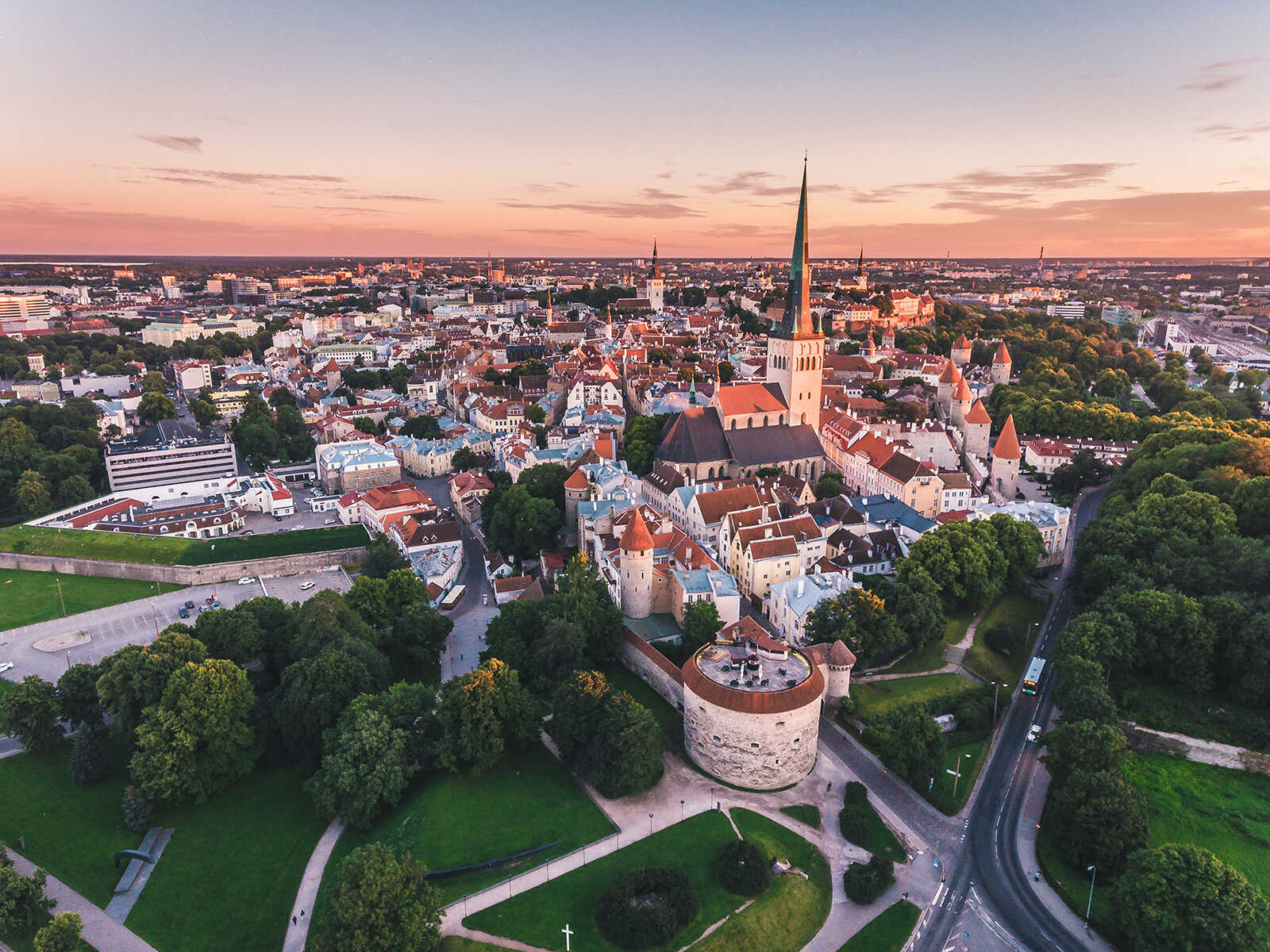
- City Exploration:Wander the medieval streets of Tallinn, enjoy the academic vibe of Tartu, or relax on the sandy beaches of Pärnu, Estonia's summer capital.
- Festivals:Summer is packed with festivals, from music events to traditional celebrations like Midsummer's Eve (Jaanipäev) in late June. The Viljandi castle hill area often hosts vibrant summer events, including the renowned Viljandi Folk Music Festival.
Pros & Cons
Pros:Best weather for outdoor activities, longest daylight hours, vibrant atmosphere, numerous festivals and events.
Cons:Highest prices for accommodation and flights, largest crowds, especially in popular tourist areas.
Autumn (September - November): A Canvas of Colors
As summer fades, Estonia transforms into a breathtaking palette of reds, oranges, and golds. Autumn offers a more tranquil experience with fewer crowds.
Weather & Daylight
Temperatures gradually drop, ranging from 10°C to 15°C (50°F to 59°F) in September, cooling to near freezing by November. Daylight hours shorten, but the crisp air and clear skies can make for invigorating days. Expect some rainfall, especially later in the season.
Activities & Events
- Foliage Viewing:Nature parks and forests are spectacular. A visit to Lahemaa National Park or even a stroll through Kadriorg Park in Tallinn offers stunning autumnal beauty.
- Cultural Immersion:With fewer tourists, it's an excellent time to explore museums and galleries in cities like Tartu or the capital.
- Birdwatching:September is a prime month for bird migration, particularly at coastal areas like Matsalu National Park.
- Harvest Season:Enjoy local produce, berries, and mushrooms in season.
Travel Tip:Early autumn, particularly September, strikes a perfect balance between pleasant weather, stunning scenery, and manageable crowd levels.
Pros & Cons
Pros:Beautiful fall colors, fewer crowds, lower prices than summer, ideal for cultural exploration.
Cons:Shorter daylight hours, increasingly unpredictable weather, can be rainy and chilly towards November.
Winter (December - February): A Magical Wonderland
Estonian winters are characterized by snow, frost, and short but often magical days. It's a time for cozy experiences and appreciating the serene beauty of a snow-covered landscape.
Weather & Daylight
Temperatures regularly drop below freezing, often between -5°C and -15°C (23°F to 5°F), sometimes colder. Daylight hours are minimal, with as little as 6 hours around the winter solstice. However, snow-covered landscapes reflect what little light there is, creating a bright, ethereal glow.
Activities & Events
- Christmas Markets:Tallinn's Old Town hosts one of Europe's most charming Christmas markets, transforming the city into a festive wonderland.
- Winter Sports:Cross-country skiing, ice skating, and even ice driving (when conditions allow) are popular.
- Cozy Culture:Explore indoor attractions like the fascinating Seaplane Harbour museum, the extensive Estonian National Museum in Tartu, or the historic Alexander Nevsky Cathedral. The Estonian Open Air Museum offers a unique glimpse into traditional life, often with festive winter events.
- Bog Walking:Guided bog walks with snowshoes can be an unforgettable experience.
Pros & Cons
Pros:Enchanting snowy landscapes, festive atmosphere, very few tourists, lower prices.
Cons:Very cold temperatures, extremely short daylight hours, some outdoor activities may be limited by weather.
Spring (March - May): Reawakening & Nature's Bloom
Spring is a season of transition, as Estonia shakes off its winter slumber and nature bursts back to life. It's an excellent time for those who appreciate fresh beginnings and fewer crowds.
Weather & Daylight
March can still feel like winter, with temperatures hovering around freezing, but by May, it's much milder, often 10°C to 15°C (50°F to 59°F). Daylight hours increase rapidly, offering more time for exploration. The snow melts, revealing green shoots and blossoming flowers.
Activities & Events
- Nature Walks:Enjoy the blossoming beauty of places like Kadriorg Park or take longer hikes as the trails dry out in Lahemaa National Park.
- Bird Migration:April and May are crucial months for birdwatching as migratory birds return.
- City Exploration:Explore cities like Tallinn,Tartu, or even the historical sites around Narva Museum before the summer rush.
- Easter Celebrations:Experience local traditions around Easter.
Pros & Cons
Pros:Fresh, blooming nature, significantly fewer crowds than summer, increasing daylight, more affordable travel.
Cons:Weather can be variable (from cold to mild), some areas might be muddy from melting snow, early spring can still be chilly.
Key Factors to Consider When Planning Your Trip
Beyond the general seasonal overview, consider these personal preferences to pinpoint your perfect travel window:
Your Interests
- Outdoor Enthusiast:Summer is best for hiking, cycling, and water sports. Early autumn is excellent for walking and enjoying fall colors.
- Culture & History Buff:Any time of year is good, but shoulder seasons (spring/autumn) offer a more relaxed pace for museum visits (Estonian National Museum) and city exploration (Tartu).
- Winter Wonderland Seeker:December to February is your window for snow, Christmas markets, and unique winter activities.
- Beach & Relaxation:July and August are ideal for enjoying the beaches of Pärnu or the islands.
Budget
Summer is peak season, meaning higher prices for flights and accommodation. Shoulder seasons (late spring, early autumn) and winter generally offer more budget-friendly options.
Crowd Avoidance
If you prefer a quieter experience, aim for late spring (May), early autumn (September), or winter. Summer sees the highest influx of tourists.
Daylight Hours
Factor in the dramatic difference in daylight. Summer provides endless hours for sightseeing, while winter demands earlier starts and a focus on indoor activities or illuminated evening events.
Public Holidays & Festivals
Check the Estonian public holiday calendar and major festival dates (like Midsummer's Eve, Christmas, or the Viljandi Folk Music Festival) as these can impact opening hours, crowd levels, and accommodation availability.
Conclusion: Estonia Awaits Year-Round
Ultimately, there's no single "best" time to visit Estonia; it truly depends on what kind of experience you're seeking. Each season presents a unique facet of this beautiful country.
Whether you're drawn to the vibrant energy of summer, the serene beauty of autumn, the magical glow of winter, or the refreshing renewal of spring, Estonia promises an unforgettable journey tailored to your seasonal preference.