
Public Transportation in England: Navigating Trains, Buses & The Tube
England boasts an extensive and efficient public transportation network, making exploration a breeze for visitors. From bustling city centres to serene countryside, understanding how to navigate its trains, buses, and iconic Tube system is key to an unforgettable journey. This guide will equip you with the knowledge to travel confidently and conveniently across the nation.
An Overview of England's Public Transport Network
England's commitment to public transport means most destinations are accessible without a private car. This network not only offers an eco-friendly way to travel but also provides a unique opportunity to immerse yourself in local life. Whether you're planning a city break in London or an adventure through the Lake District, public transport can be your reliable companion.
The system is generally well-integrated, especially within major urban areas, and modern advancements like contactless payments and comprehensive journey planning apps have streamlined the travel experience significantly.
Riding the Rails: Trains Across England
Train travel in England is a popular and often scenic way to connect major cities and towns. The rail network is extensive, offering a comfortable and efficient journey for both short hops and longer expeditions.
Types of Train Services
- Intercity and Regional Trains:These services link major hubs like London to Manchester,Liverpool,York,Bath,Oxford, and Cambridge, as well as connecting smaller towns. They are generally fast and comfortable, often with catering services.
- Commuter Trains:Primarily serving urban areas and their surrounding suburbs, these are frequent and designed for daily commuters but are perfectly usable by visitors too.
- Scenic Routes:Many routes offer breathtaking views, particularly those heading to coastal regions like Cornwall and Devon, or through national parks.
Booking Train Tickets
It's often advisable to book train tickets in advance, especially for longer journeys, as this can offer significant savings. Tickets can be purchased:
- Online:Through individual train operator websites or national booking platforms.
- At the Station:From ticket machines or staffed ticket offices.
- Via Mobile Apps:Many operators have user-friendly apps for booking and e-tickets.
Consider purchasing a Railcard if you plan extensive train travel; these offer discounts for various groups, including young people, seniors, and families.
Tip:Look for "Advance" fares when booking online for the best value, but be aware these are usually for specific trains and non-flexible. For more flexibility, "Off-Peak" or "Anytime" tickets are available.
Exploring by Bus: The Backbone of Local Travel
Buses are indispensable for getting around towns, cities, and reaching destinations off the main rail lines. They offer a cost-effective and flexible way to explore, often providing a closer look at local life.
Local Bus Services
Every town and city in England has its own local bus network. These services are crucial for navigating urban areas and reaching attractions like Warwick Castle or specific points within Brighton. Payment methods vary but typically include:
- Contactless Payment:Most modern buses accept debit/credit card tap-and-go.
- Cash:Exact change may be required on some services.
- Mobile Ticketing Apps:Increasingly common, especially in larger cities.
National Coach Services
For intercity travel, particularly to destinations not well-served by trains, national coach operators like National Express and Megabus provide extensive networks. These can be a budget-friendly alternative for longer journeys, connecting places like London to The Cotswolds,Stonehenge(with a connection), or even coastal towns in South Dorset.
It's always recommended to check routes and schedules in advance, especially for rural areas where services might be less frequent.
Navigating the London Underground: The Iconic Tube
No guide to English public transport is complete without a deep dive into the London Underground, affectionately known as "The Tube." As the world's oldest underground railway, it's an engineering marvel and the lifeblood of transport in the capital.
Understanding The Tube Network
The Tube consists of 11 lines, each colour-coded, covering a vast area of Greater London. The network is divided into zones, radiating out from Zone 1 in the city centre. Your fare will depend on how many zones you travel through.
- Lines:Learn the colours and names of the lines you need (e.g., Piccadilly Line, Central Line) to easily navigate the map.
- Interchanges:Many stations allow you to switch between lines to reach your final destination, such as the National Gallery in Trafalgar Square.
- Peak vs. Off-Peak:Fares are typically higher during peak hours (weekdays roughly 06:30-09:30 and 16:00-19:00).
Fun Fact:The first section of the London Underground opened in 1863, making it the world's oldest subway system. It initially used steam locomotives!
Payment on The Tube (and London's Transport)
London's transport system (Tube, buses, DLR, Overground, trams, and most National Rail services within London) operates on an integrated payment system:
- Contactless Payment:The easiest method. Simply tap your contactless debit/credit card or mobile device on the yellow reader at the start and end of your journey. Daily and weekly fare caps apply automatically, ensuring you pay the best possible fare.
- Oyster Card:A reusable smartcard you top up with credit. Tap in and out just like contactless. Ideal if you don't have a contactless card or prefer a physical travel card.
- Travelcard:A paper ticket offering unlimited travel within chosen zones for a specific period (e.g., 1-day, 7-day). Can be loaded onto an Oyster card.
Remember to always "tap in" at the start and "tap out" at the end of your Tube journey to ensure you're charged the correct fare.
Beyond The Tube: Other London Transport
London's public transport extends beyond the Underground:
- Docklands Light Railway (DLR):An automated, driverless train system serving East London, offering great views.
- London Overground:A network of suburban rail lines, connecting areas not served by the Tube.
- Trams:Primarily serving South London.
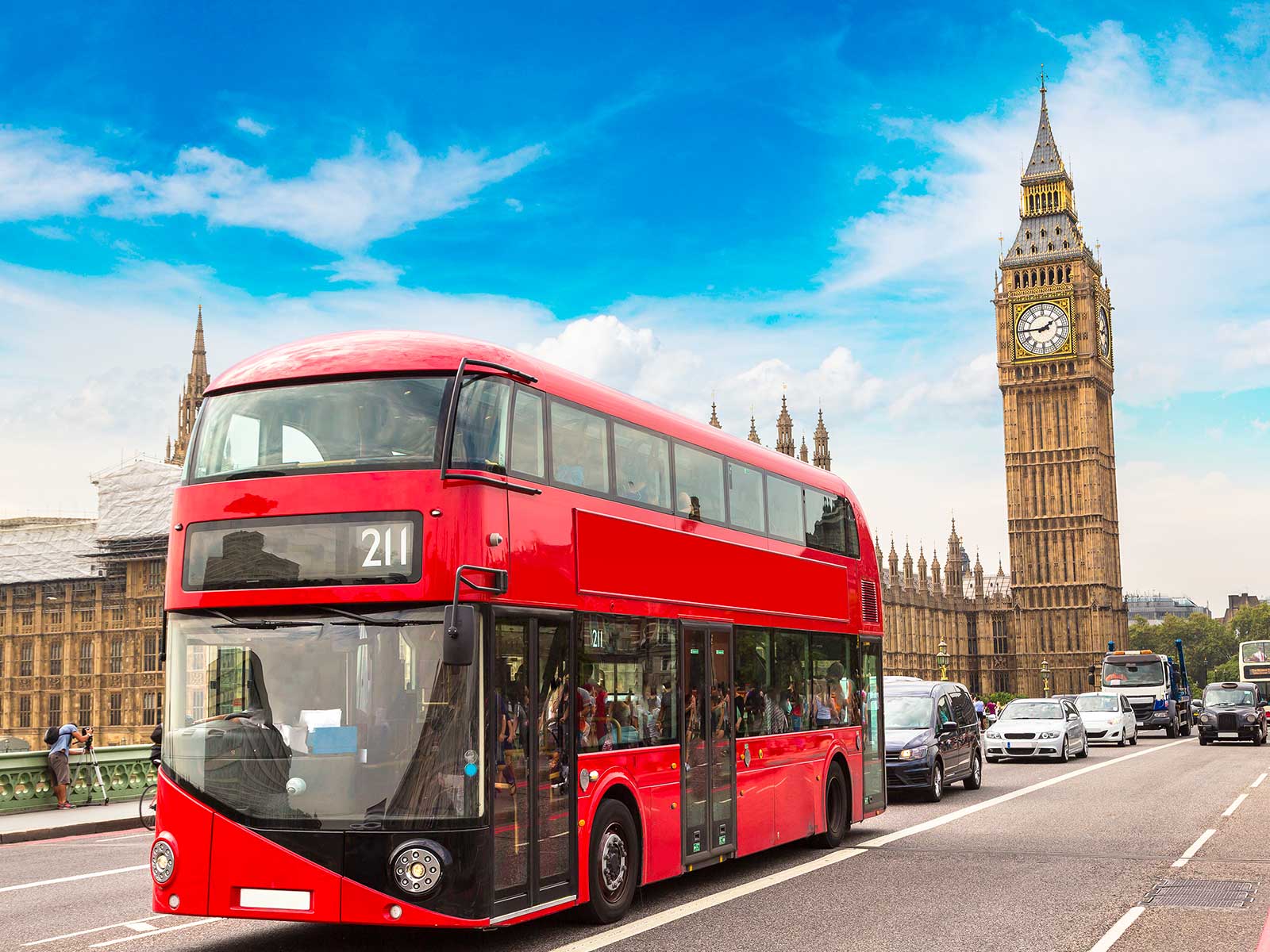
- Buses:London's iconic red double-decker buses cover the entire city, often a more scenic way to travel above ground.
General Payment Methods & Tips for England
Across England's public transport, several common payment methods and practices apply:
- Contactless Debit/Credit Cards:Widely accepted on most buses and all London transport. Look for the contactless symbol.
- Mobile Payment:Apple Pay, Google Pay, etc., are also generally accepted where contactless cards are.
- Cash:Still accepted on many local bus services, but contactless is increasingly preferred and sometimes the only option for exact fares.
- Travel Apps:Download operator-specific apps or general journey planners for real-time information and mobile ticketing.
Pro Tip:Always check the specific transport operator's website or app for the latest information on routes, schedules, and payment options before you travel.
Planning Your Journey
Efficient journey planning is crucial for stress-free travel in England:
- National Rail Enquiries:Essential for all train travel information, including timetables, fares, and delays.
- TfL Go / Citymapper:Invaluable apps for navigating London's complex transport network.
- Google Maps / Apple Maps:Offer good public transport routing options across the country.
- Local Operator Websites:For specific bus routes and regional train lines, consult the local transport company's website.
Accessibility on Public Transport
Efforts are continually being made to improve accessibility across England's public transport network. Many newer trains and buses are designed with ramps, priority seating, and space for wheelchairs. The London Underground, being older, has more challenges, but step-free access maps are available, and staff are usually on hand to assist.
Embrace the Journey
Public transportation in England is more than just a means to an end; it's an integral part of the travel experience. From the sleek intercity trains connecting vibrant cities like Manchester and Liverpool, to the quaint local buses winding through the scenic Cotswolds, and the iconic London Tube, it offers a reliable, often picturesque, and authentic way to explore. So, ditch the car keys, grab your contactless card, and embark on an unforgettable English adventure!