
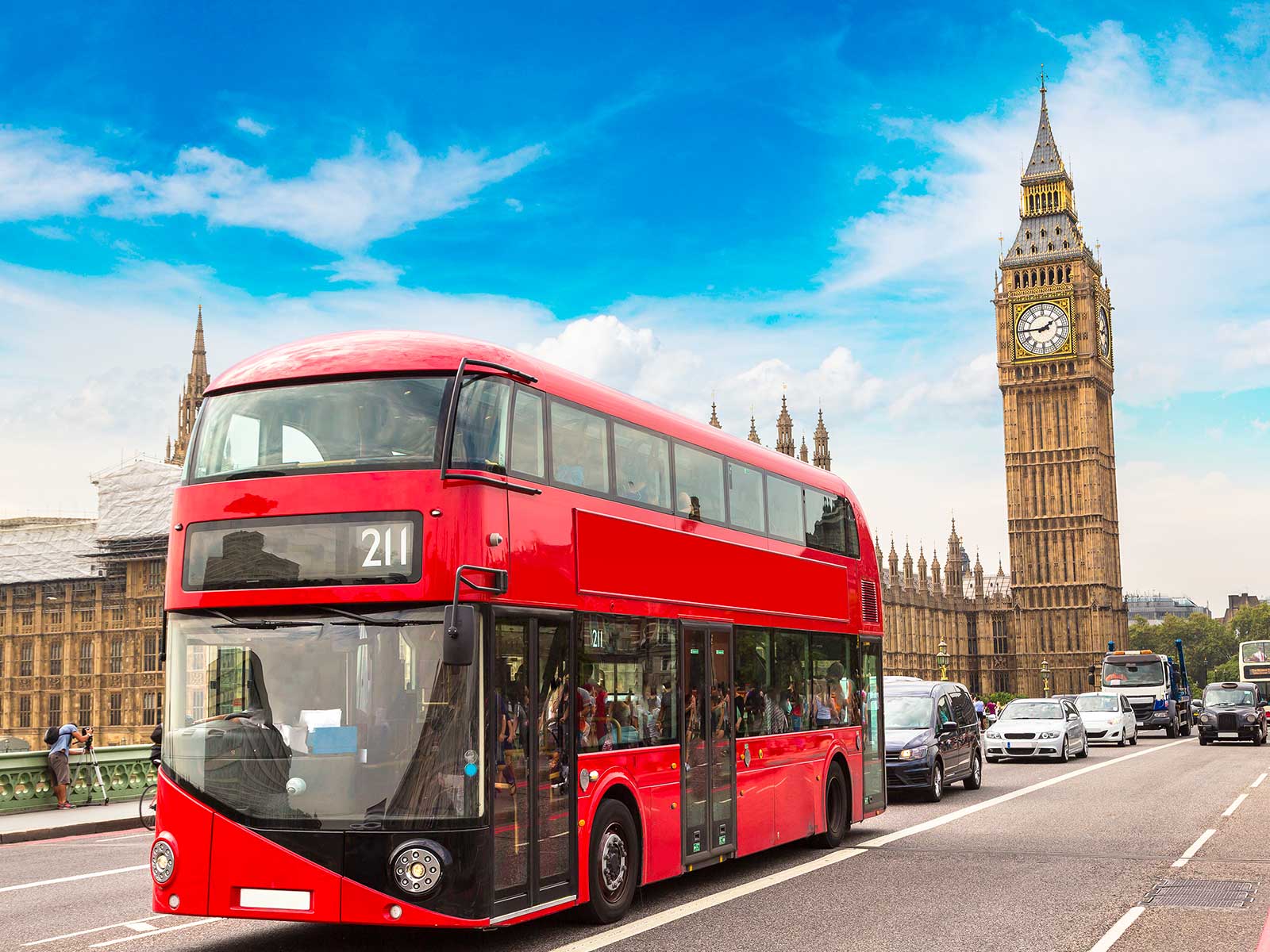
Driving in England: Essential Tips for Road Trippers & Left-Hand Driving
Embarking on a road trip through England promises an unforgettable adventure, from rolling countryside to vibrant cities. While the allure is undeniable, navigating unfamiliar roads and driving on the left can initially seem daunting. This guide equips you with all the essential knowledge to confidently take the wheel and explore England's diverse landscapes.
Navigating Left-Hand Driving: The Basics
The most significant adjustment for many visitors is driving on the left side of the road. This means the steering wheel is on the right side of the car, and the gear stick (for manual cars) is operated with your left hand.
- Keep Left:Always remember to drive on the left. This becomes second nature quickly, especially with other traffic as a guide.
- Right-Hand Drive Vehicles:If you're renting, the car will be right-hand drive. The gear stick will be to your left, and the pedals (clutch, brake, accelerator) remain in the same order. Indicators are typically on the left stalk, wipers on the right.
- Roundabouts:These are ubiquitous in England. When approaching, you give way to traffic already on the roundabout, coming from your right. Always enter a roundabout clockwise.
- Overtaking:You will overtake on the right side of the vehicle in front.
- Mirrors:Get comfortable using your mirrors, especially the left-hand mirror, as your primary reference for road positioning.
Tip:For your first few miles, choose quieter roads if possible. Some rental companies offer automatic cars, which can simplify the transition if you're unfamiliar with shifting gears with your left hand.
Getting Your Vehicle Ready
Whether renting or bringing your own car, a few checks are vital.
- Renting a Car:
- Driver's Age:Most rental companies require drivers to be over 21, and often over 25 for certain vehicle types. Surcharges may apply for younger drivers.
- International Driving Permit (IDP):If your driving license isn't in English, an IDP is legally required. Even if it is, an IDP can be useful for identification.
- Insurance:Ensure you have adequate insurance coverage. Rental cars usually come with basic third-party insurance; consider additional coverage for peace of mind.
- Check the Car:Before driving off, inspect the car for any existing damage and ensure it's noted on your rental agreement. Familiarise yourself with controls like lights, wipers, and indicators.
- Your Own Vehicle (from Europe):
- Headlight Converters:To avoid dazzling oncoming traffic, you'll need beam deflectors (stickers) for your headlights.
- GB Sticker/Number Plate:Your vehicle must display a GB sticker or have the GB identifier on your number plate.
- Documentation:Carry your V5C logbook (proof of ownership), insurance documents, and driving license.
Essential Road Rules & Signs
Understanding English road rules and signs is crucial for safety and avoiding fines.
- Speed Limits:All speed limits are in miles per hour (MPH).
- Urban Areas:Typically 30 mph (sometimes 20 mph in residential zones).
- Single Carriageways (Rural):60 mph.
- Dual Carriageways & Motorways:70 mph.
- Roundabouts:As mentioned, give way to traffic from your right. Use indicators to signal your exit. The general rule is:
- Left Lane:For turning left or going straight (if not taking the last exit before straight).
- Right Lane:For turning right or going full circle.
- Middle Lane:For going straight ahead.
- Motorways (M Roads):
- Lane Discipline:Keep left unless overtaking. The rightmost lane is for overtaking only.
- Service Stations:Frequent along motorways, offering fuel, food, and restrooms.
- Smart Motorways:Variable speed limits displayed on overhead gantries are mandatory. Hard shoulders may be used as active lanes during peak times.
- Parking:Can be challenging, especially in cities.
- Yellow Lines:Single yellow lines mean no waiting at certain times (check signs). Double yellow lines mean no waiting at any time.
- Red Routes:Found in London and other major cities, these have strict no-stopping rules.
- Pay & Display:Purchase a ticket from a machine and display it clearly.
- Parking Apps:Many areas use apps like RingGo or PayByPhone for cashless parking.
- Road Signs:
- Red Triangle with Black Border:Warnings (e.g., bend ahead, children crossing).
- Blue Circles:Mandatory instructions (e.g., turn left ahead, minimum speed).
- Red Circles with Red Slash:Prohibitions (e.g., no entry, no overtaking).
- White Rectangles:Information (e.g., directions to Stonehenge, tourist attractions).
Driving in Specific English Environments
England offers varied driving experiences, from bustling urban centres to serene rural lanes.
City Driving
Major cities like London,Manchester,Liverpool,Bath,Oxford,York,Brighton, and Cambridge can be congested. Consider using public transport for city exploration once you've arrived and parked.
- Congestion Charge:London operates a Congestion Charge in its central zone on weekdays. Check if your route falls within this zone and how to pay.
- Ultra Low Emission Zone (ULEZ):London also has a ULEZ, with daily charges for non-compliant vehicles. Similar zones are being introduced in other cities.
- Narrow Streets:Many historic cities feature very narrow streets, requiring careful manoeuvring.
- Pedestrians & Cyclists:Be extra vigilant, especially in busy urban areas.
Rural Driving
Driving through the English countryside, such as The Cotswolds,Lake District,Cornwall,Devon, or South Dorset, offers breathtaking scenery but presents its own challenges.
- Single-Track Roads:Common in remote areas, these roads are only wide enough for one car. Use passing places to allow oncoming traffic to pass or to let faster traffic overtake.
- Livestock & Wildlife:Be prepared for animals on the road, especially in areas with open fields or moors.
- Uneven Surfaces:Country lanes can be bumpy, with potholes or loose gravel.
- Limited Visibility:Hedges and stone walls can obscure views around bends. Drive slowly and cautiously.
Practical Tips for a Smooth Journey
- Navigation:A reliable GPS or smartphone app (Google Maps, Waze) is invaluable. Consider downloading offline maps for areas with patchy signal.
- Fuel:Petrol (gasoline) and Diesel are widely available. Unleaded (petrol) is typically green pumps, Diesel is black. Avoid E10 petrol if your car isn't compatible (most modern cars are).
- Breakdowns:In case of a breakdown, pull over safely, switch on your hazard lights, and call your breakdown assistance provider. The AA and RAC are major providers in the UK.
- Rest Stops:Motorway service stations offer comprehensive facilities. For a more charming break, look for village pubs or cafés off the main routes.
- Emergency Number:In an emergency, dial 999 for police, ambulance, or fire services.
Must-Visit Road Trip Destinations
England is ripe for exploration by car, offering diverse attractions within a reasonable driving distance.
- Historic Wonders:Drive to Stonehenge for an ancient mystery, or visit the medieval grandeur of Warwick Castle.
- Natural Beauty:Explore the stunning landscapes of the Lake District with its picturesque lakes and fells, or the dramatic coastline of Cornwall and Devon.
- Charming Villages:Wander through the idyllic villages of The Cotswolds, known for their honey-coloured stone buildings.
Driving in England, despite the initial adjustment to left-hand traffic, is a remarkably rewarding experience. With preparation and a mindful approach, you'll soon be confidently navigating its roads, unlocking the freedom to discover hidden gems and iconic landmarks at your own pace. Enjoy the journey!