
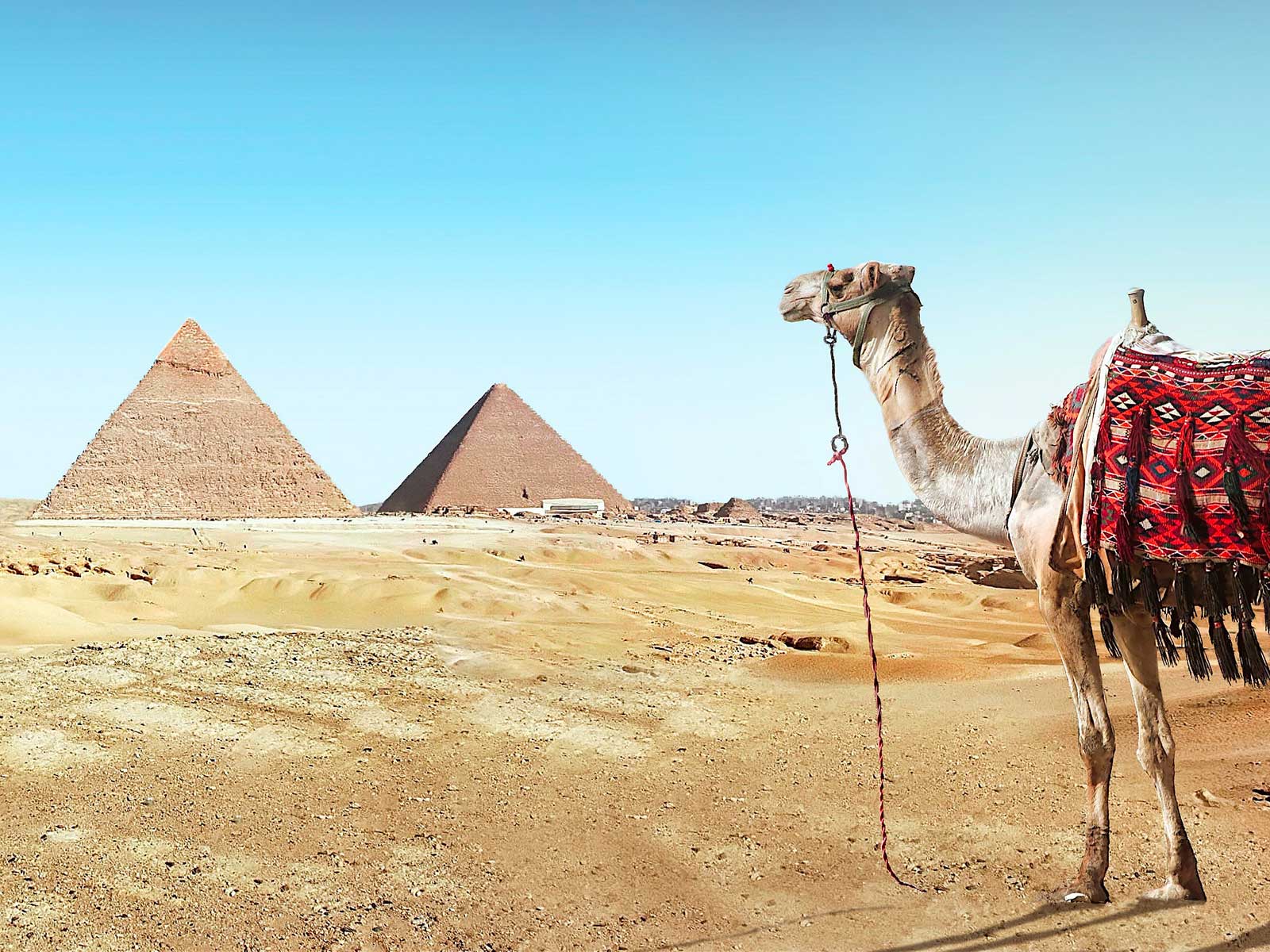
Understanding Egyptian Culture: Customs, Traditions & Etiquette for Travelers
Embarking on a journey to Egypt is an unparalleled adventure, a step back in time amidst ancient wonders and vibrant modern life. To truly enrich your experience, understanding and respecting local customs, traditions, and etiquette is paramount. This guide will help you navigate the nuances of Egyptian culture, ensuring a more respectful and rewarding visit.
Welcome to the Land of Pharaohs and Warm Hearts
Egypt is a land where millennia of history meet bustling contemporary life, profoundly shaped by its ancient past, Islamic heritage, and a deep sense of community. Egyptians are renowned for their hospitality, often going out of their way to assist visitors. Embracing this warmth while understanding local norms will unlock a more authentic and enjoyable travel experience.
The Cornerstone of Egyptian Culture: Hospitality (Diyafa)
Hospitality, ordiyafa, is deeply ingrained in Egyptian society. Guests are often treated with immense respect and generosity, even by those with very little. This might manifest as an invitation for tea, help with directions, or a friendly chat. Reciprocating with gratitude and politeness is always appreciated.
Cultural Insight:Egyptians often use the phrase "Ahlan wa sahlan" (Welcome) as a warm greeting, reflecting their open-hearted nature towards visitors. It's more than just a word; it's an invitation to feel at home.
Navigating Social Graces: Greetings and Interactions
Social interactions in Egypt are typically warm and respectful. Knowing a few key customs can make a big difference:
- Greetings:A handshake is common between men and between women. However, it's customary to wait for a woman to extend her hand first to a man. A simple nod or "Salaam alaikum" (Peace be upon you) is always appropriate.
- Respect for Elders:Show deference to older individuals. This might involve standing when they enter a room or offering them the best seat.
- Personal Space:Egyptians tend to have closer personal proximity during conversations than many Westerners. Don't be surprised if people stand closer to you than you're accustomed to.
- Public Displays of Affection:Keep public displays of affection to a minimum. Holding hands between married couples is generally acceptable, but anything more intimate is frowned upon.
Dressing with Respect: Modesty in Egypt
While Egypt is generally tolerant, especially in tourist areas and resorts like those along the Red Sea, dressing modestly is a sign of respect for local culture and customs. This is particularly important when visiting religious sites or less touristy areas.
- For Women:It's advisable to cover your shoulders and knees. Loose-fitting clothing is best, both for modesty and comfort in the heat. A headscarf is not generally required for tourists, but carrying one to cover your hair when entering mosques or other religious sites is a good idea.
- For Men:Long shorts or trousers are generally preferred over very short shorts. Sleeveless tops are usually fine in casual settings but avoid them in more formal or religious contexts.
A Seat at the Table: Dining Etiquette
Dining is often a communal and social affair in Egypt. Here’s what to keep in mind:
- Right Hand Rule:Always eat and pass food with your right hand, as the left hand is traditionally considered unclean.
- Sharing:Many dishes are served family-style for sharing. Don't be afraid to dig in.
- Refusing Food:It's polite to accept food or drink when offered. If you must refuse, do so politely but firmly, perhaps citing that you've just eaten.
- "Baksheesh" (Tipping):Tipping is a deeply ingrained part of Egyptian culture, a way of showing appreciation for services rendered. It's expected for nearly all services, from restaurant staff and hotel porters to tour guides and even restroom attendants. Carry small denominations of Egyptian Pounds for this purpose.
Honoring Beliefs: Religious Customs and Conduct
Islam is the predominant religion in Egypt, with a significant Christian (Coptic) minority. Respect for religious practices is crucial.
- Call to Prayer:You will hear the call to prayer (adhan) five times a day. It's a beautiful and integral part of daily life.
- Visiting Mosques:When visiting mosques, dress modestly (as described above), remove your shoes before entering, and women should cover their heads. Maintain a respectful silence.
- Ramadan:If traveling during the holy month of Ramadan, be aware that many Muslims will be fasting from dawn till dusk. While restaurants in tourist areas may remain open, it's respectful to avoid eating, drinking, or smoking in public during fasting hours.
- Religious Sites:Whether you're marveling at the ancient Pyramids of Giza or standing before the majestic Great Sphinx of Giza, remember that these sites carry immense historical and often spiritual significance. Treat them with reverence.
The Art of the Deal: Shopping and Bargaining
Shopping in Egyptian souks (markets) is an experience in itself, often involving friendly negotiation.
- Bargaining is Expected:Especially in tourist markets, vendors expect you to bargain. It's part of the fun and tradition. Start by offering about half to two-thirds of the asking price and negotiate towards a mutually agreeable figure.
- Stay Friendly:Keep the negotiation light-hearted and good-natured. A smile goes a long way.
- Know When to Stop:If you're not interested, politely say "La, shukran" (No, thank you) and move on.
Capturing Memories: Photography Guidelines
Egypt offers countless photo opportunities, but be mindful of local sensitivities:
- Ask Permission:Always ask for permission before taking photos of people, especially women and children. A simple gesture or "Mumkin soura?" (May I take a photo?) is appreciated. Respect a "no."
- Sensitive Areas:Avoid photographing military installations, police stations, or airports.
- Discretion:Be discreet and avoid being intrusive, particularly in residential areas or during religious ceremonies.
Beyond the Obvious: General Etiquette & Practical Tips
- The Left Hand:As with eating, avoid pointing or passing objects with your left hand.
- Patience:Things might move at a different pace than you're used to. Embrace it with patience and a sense of humor.
- "Inshallah":You'll often hear "Inshallah" (God willing). It's a common expression reflecting a belief in divine will and can mean "yes," "no," or "maybe."
- Bribes vs. Baksheesh:Understand the difference. Baksheesh is a small tip for a service. Bribes are illegal and should be avoided.
- Language:While Arabic is the official language, English is widely spoken in tourist areas. Learning a few basic Arabic phrases like "Shukran" (Thank you) or "Min fadlak" (Please) will be greatly appreciated.
Embracing Your Egyptian Journey
Traveling through Egypt is an extraordinary journey filled with ancient wonders, vibrant culture, and incredibly hospitable people. By approaching your trip with an open mind, a respectful attitude, and an eagerness to learn, you'll not only have an unforgettable adventure but also forge deeper connections with this mesmerizing land and its people. Your thoughtful engagement with Egyptian customs and traditions will be a cherished part of your travel story.