
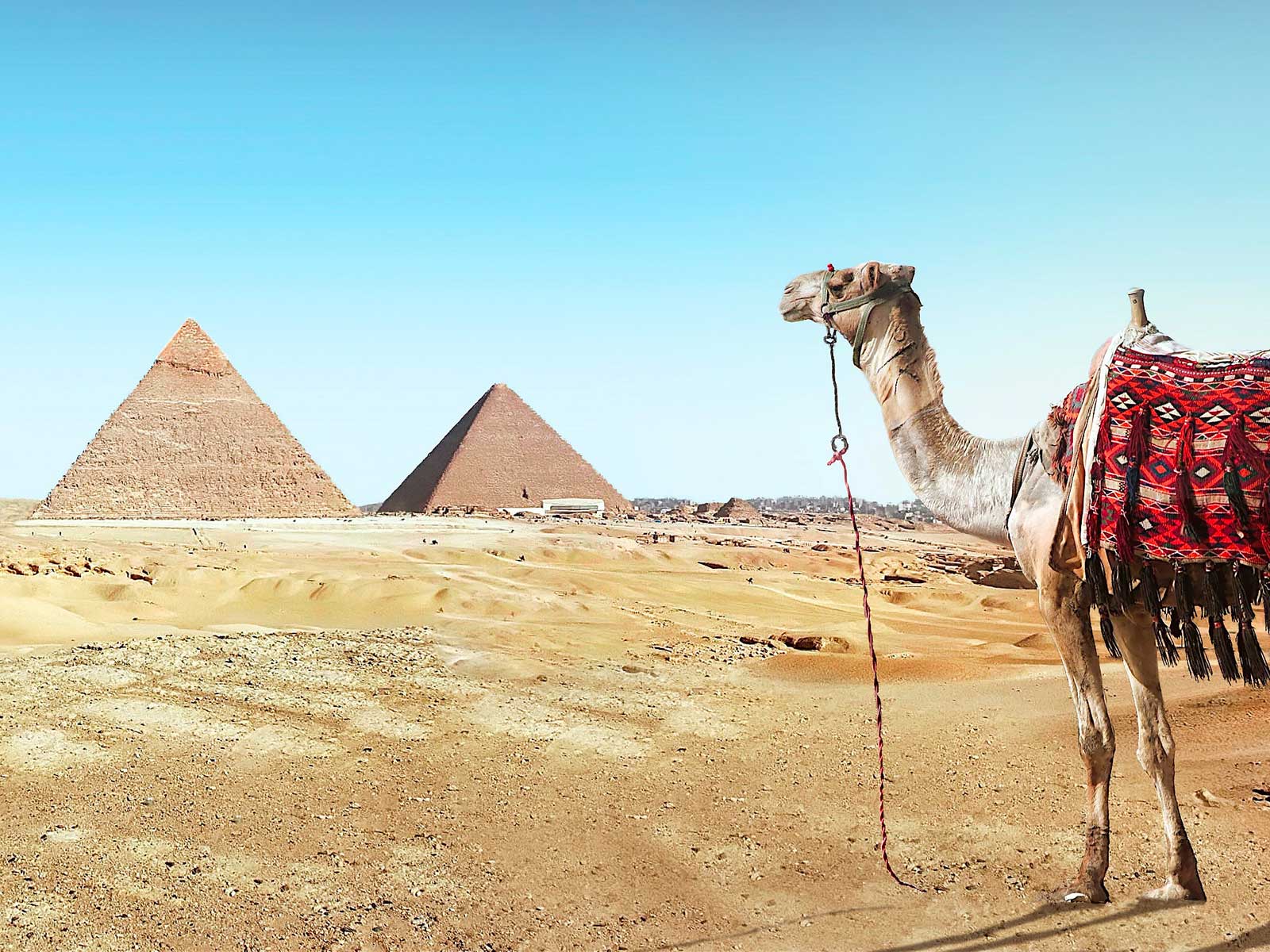
Is Egypt Safe? Safety Tips for Tourists
Egypt, a land steeped in millennia of history and vibrant culture, beckons travelers with its iconic pyramids, ancient temples, and stunning Red Sea coast. While the allure is undeniable, prospective visitors often ponder the question of safety. This article provides a comprehensive and factual guide to navigating Egypt securely, offering practical tips to ensure a memorable and worry-free adventure.
Understanding the Safety Landscape in Egypt
The perception of safety in Egypt can sometimes be skewed by media reports, but the reality for tourists is generally positive. Millions of visitors explore Egypt's treasures annually, with the vast majority experiencing trouble-free trips. While no country is entirely without risk, understanding the specific challenges and how to mitigate them is key to a safe journey.
Government Efforts and Tourist Security
The Egyptian government prioritizes the safety of its tourists, understanding their vital contribution to the national economy. You'll find a visible presence of tourist police at major attractions, hotels, and transportation hubs. These dedicated units are trained to assist visitors and address any issues promptly. Security checks are common at hotel entrances, archaeological sites, and airports, reflecting a proactive approach to maintaining a secure environment for travelers.
Common Safety Concerns and Practical Solutions
Petty Crime: Stay Vigilant
Like any popular tourist destination, petty crime such as pickpocketing and bag snatching can occur, particularly in crowded areas like markets (souks) or bustling city centers. However, violent crime against tourists is rare.
- Keep Valuables Secure:Use a money belt or secure cross-body bag. Avoid openly displaying expensive jewelry, cameras, or large sums of cash.
- Be Aware of Your Surroundings:Pay attention in crowded places. If someone bumps into you, immediately check your belongings.
- Secure Your Accommodation:Use hotel safes for passports, extra cash, and other important documents.
Navigating Scams and Touts
One of the most common challenges tourists face in Egypt is dealing with persistent touts and opportunistic scammers, especially around major sites like the Pyramids of Giza and the Great Sphinx of Giza. These individuals might offer "free" gifts, insist on guiding you, or try to sell overpriced goods or services.
Tip:A firm but polite "No, thank you" (Laa shukran) is often sufficient. Avoid engaging in long conversations if you're not interested in purchasing anything. Agree on all prices for goods, services, or ridesbeforeyou commit.
Always verify information with official sources or your tour guide, rather than relying on unsolicited advice from strangers.
Road Safety and Transportation
Egyptian traffic can be chaotic, particularly in large cities like Cairo. Driving habits differ significantly from Western norms, with less adherence to lane discipline and traffic signals.
- Use Reputable Transport:Opt for ride-sharing apps (like Uber or Careem), pre-booked taxis, or hotel-arranged transfers. Confirm the price before starting your journey if using a meter-less taxi.
- Be Cautious as a Pedestrian:Crossing streets can be an adventure. Wait for a local to cross, or confidently and steadily make your way across, making eye contact with drivers.
- Avoid Self-Driving:Unless you are very familiar with Egyptian roads and driving culture, it's generally advisable to avoid renting a car and driving yourself.
Cultural Sensitivity and Respectful Interaction
Egypt is a predominantly Muslim country with conservative social norms. Showing respect for local customs significantly enhances your experience and helps avoid misunderstandings.
- Dress Modestly:For both men and women, covering shoulders and knees is recommended, especially when visiting religious sites or less touristy areas. Women may also consider carrying a scarf to cover their heads when entering mosques.
- Public Displays of Affection:Keep public displays of affection to a minimum.
- Photography:Always ask for permission before photographing individuals, especially women and children. Be mindful that some locals may expect a small tip for being photographed.
- Ramadan:If traveling during the holy month of Ramadan, be aware that many locals will be fasting. While restaurants in tourist areas remain open, it's polite to avoid eating, drinking, or smoking in public during fasting hours.
Health and Wellness During Your Trip
Maintaining good health is crucial for an enjoyable trip. Common issues include stomach upsets (often called "Pharaoh's Revenge") and sun exposure.
- Hydration:Drink plenty of bottled water. Tap water in Egypt is generally not safe for drinking.
- Food Hygiene:Be mindful of what you eat. Stick to cooked foods, peeled fruits, and reputable restaurants. Avoid street food unless it's freshly cooked and piping hot.
- Sun Protection:The Egyptian sun is intense. Wear sunscreen, a hat, and sunglasses, and seek shade during peak hours.
- Medication:Carry any necessary prescription medications, along with a doctor's note. Over-the-counter remedies for stomach issues are widely available.
Addressing Political Stability and Terrorism Concerns
While Egypt has experienced periods of political unrest and isolated incidents of terrorism in the past, the security situation has largely stabilized. Tourist destinations are heavily guarded, and the government has invested significantly in securing these areas. Incidents targeting tourists are rare, and the vast majority of visitors experience no issues. It's always wise to stay informed by checking your government's travel advisories before and during your trip, but generally, popular tourist routes and resorts are considered safe.
Safety Tips for Specific Travel Scenarios
Exploring Major Tourist Sites
Sites like the Pyramids of Giza, Luxor's temples, and Aswan's Philae Temple are well-secured. Focus on enjoying the history, but remain alert for persistent vendors or unsolicited guides. Pre-booking tours with reputable companies can minimize such interactions and enhance your experience.
City Exploration: Cairo, Luxor, Aswan
When exploring cities, especially bustling ones like Cairo, stick to well-lit and populated areas. Avoid walking alone at night in unfamiliar neighborhoods. Use official taxis or ride-sharing apps for transportation after dark.
Resort Destinations: Red Sea Riviera
Coastal resorts such as Sharm El Sheikh, Hurghada, and Marsa Alam, known for their stunning beaches and activities like Red Sea Diving Hurghada, are generally considered very safe. These areas often operate as self-contained tourist zones with high security. Enjoy water sports, relaxation, and excursions with reputable operators.
Solo Travelers and Female Travelers
Solo travel, particularly for women, requires extra vigilance. While many solo female travelers have wonderful experiences, some may encounter unwanted attention or verbal harassment.
- Conservative Dress:This can help reduce unwanted attention.
- Confidence:Walk with purpose and avoid looking lost.
- Group Tours:Consider joining group tours for excursions, especially to more remote areas.
- Share Itinerary:Inform someone back home of your itinerary and check in regularly.
- Trust Your Gut:If a situation feels uncomfortable, remove yourself from it.
Essential Preparations Before You Go
- Travel Insurance:This is non-negotiable. Ensure your policy covers medical emergencies, trip cancellations, and lost luggage.
- Visa Requirements:Check visa requirements for your nationality well in advance. Many nationalities can obtain a visa on arrival, but verifying beforehand is crucial.
- Local Laws and Customs:Familiarize yourself with Egyptian laws and cultural norms to avoid unintentional offenses.
- Emergency Contacts:Keep a list of emergency numbers (local police, tourist police, embassy/consulate, hotel) readily accessible.
- Register with Embassy:Register your travel plans with your country's embassy or consulate in Egypt. This helps them locate you in an emergency.
What to Do in an Emergency
In the unlikely event of an emergency, knowing who to contact is vital:
- Tourist Police:Dial 126. They are specifically trained to assist visitors.
- General Police:Dial 122.
- Ambulance:Dial 123.
- Your Embassy/Consulate:Contact your country's diplomatic mission for assistance with serious issues like lost passports, legal troubles, or major medical emergencies.
Final Thoughts: Enjoying Egypt Safely
Egypt offers an unparalleled journey through history and culture. By exercising common sense, staying informed, and respecting local customs, you can navigate the country safely and confidently. The warmth of the Egyptian people, the grandeur of its ancient monuments, and the beauty of its natural landscapes await. With a bit of preparation and awareness, your trip to Egypt can be an incredibly rewarding and safe experience.