
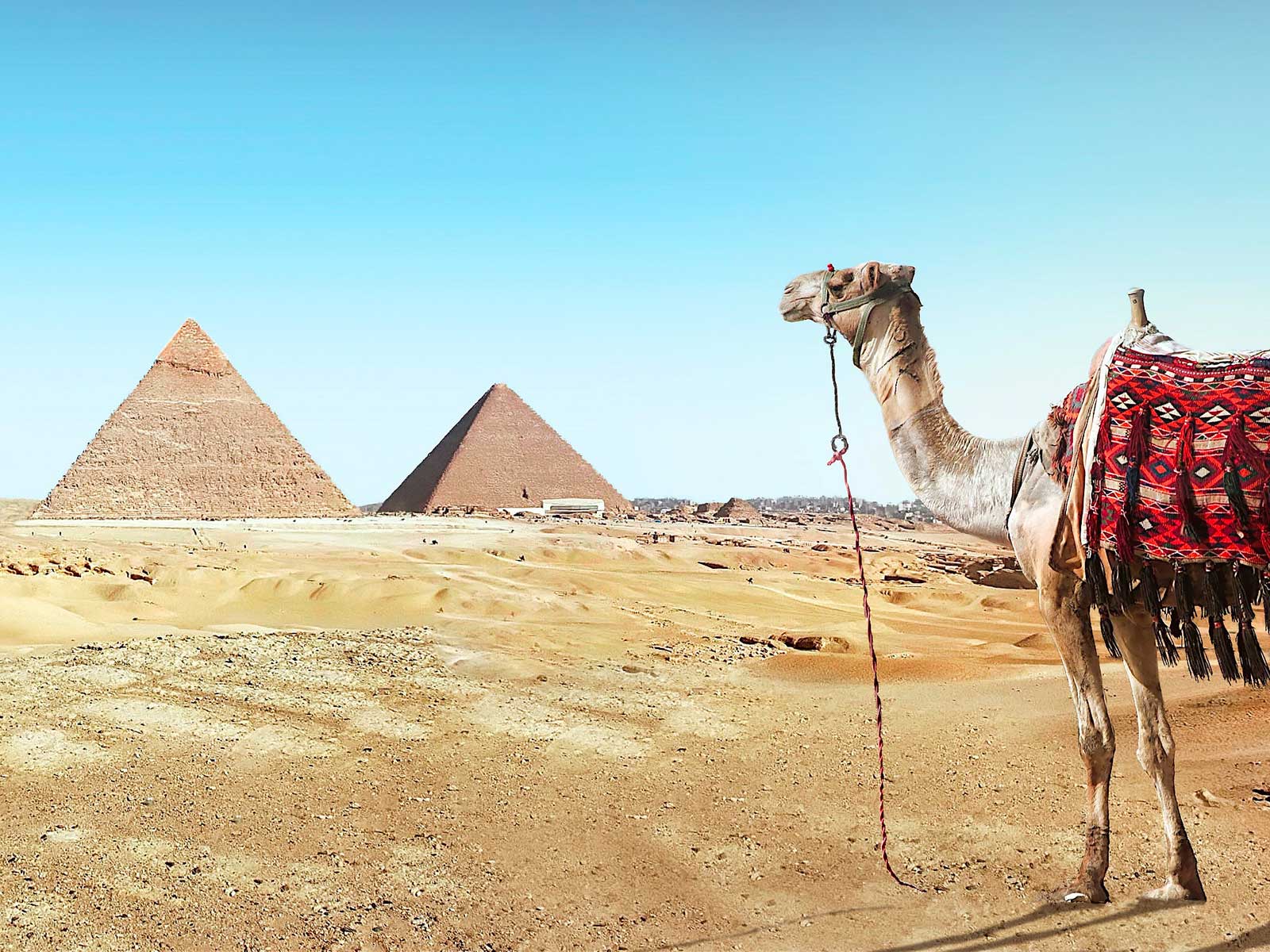
How to Visit the Pyramids of Giza (Complete Guide)
Embark on an unforgettable journey to one of the world's most iconic and ancient wonders. This complete guide will equip you with all the essential information to plan a seamless and awe-inspiring visit to the legendary Pyramids of Giza, ensuring you make the most of your time at this monumental UNESCO World Heritage site.
Why Visit the Pyramids of Giza?
Standing majestically on the Giza Plateau, the Pyramids of Giza are the last remaining wonder of the ancient world. Built over 4,500 years ago as tombs for pharaohs, these colossal structures are a testament to ancient Egyptian engineering, artistry, and spiritual beliefs. Alongside them, the enigmatic Great Sphinx of Giza guards the complex, adding to the site's timeless allure. A visit here is not just a sightseeing trip; it's a step back into a civilization that continues to fascinate and inspire.
Best Time to Visit
Choosing the right time to visit can significantly enhance your experience:
- Season:The ideal time is during Egypt's cooler months, fromOctober to April. Temperatures are pleasant, making exploration much more comfortable. Summer months (May to September) can be extremely hot, with intense sun.
- Time of Day:Arrive as close to opening time as possible (usually 8:00 AM) to avoid the largest crowds and the midday heat. Alternatively, late afternoon offers softer light for photography and a chance to experience sunset over the pyramids, though it can still be busy.
Getting There
The Giza Plateau is located just outside Cairo, making it easily accessible from the city center.
- Taxi/Ride-Sharing Apps:This is generally the most convenient option. Major ride-sharing apps like Uber and Careem operate in Cairo and provide reliable transport. Ensure your driver understands you want to go to the main entrance of the Pyramids.
- Organized Tours:Many hotels and tour operators offer guided tours that include transportation, often combining the pyramids with other Cairo attractions. This can be a good option for first-time visitors who prefer a structured experience.
- Public Transport:While possible, it's less straightforward for tourists. Cairo's metro system has a station near Giza, but you'll still need a short taxi or bus ride from there.
Entry and Tickets
Upon arrival at the Giza Plateau, you'll need to purchase tickets. There are usually a few different options:
- General Admission:This ticket grants access to the Giza Plateau, allowing you to walk around and see all three main pyramids, the Great Sphinx of Giza, and other smaller tombs from the outside.
- Pyramid Interior Tickets:If you wish to enter one of the main pyramids (typically the Great Pyramid of Khufu or the Pyramid of Khafre), you'll need to purchase a separate, additional ticket. These are limited in number each day, so it's wise to buy them early if you're set on going inside.
Ticket booths are located at the main entrances. Be prepared for queues during peak times. It's advisable to carry small Egyptian Pounds for miscellaneous purchases, though major credit cards are usually accepted for entry tickets.
What to See and Do
The Giza Plateau is vast and offers numerous sights to explore.
The Great Pyramid of Khufu (Cheops)
The largest and oldest of the three, this truly monumental structure was the tallest man-made structure in the world for over 3,800 years. If you choose to enter, you'll navigate narrow, sloping passages, a unique opportunity to experience the pyramid from within.
The Pyramid of Khafre (Chephren)
Easily recognizable by the smooth casing stones still present near its apex, giving the illusion of being taller than Khufu's pyramid due to its higher elevation. It's often viewed in conjunction with the Sphinx.
The Pyramid of Menkaure (Mycerinus)
The smallest of the three main pyramids, it still impresses with its scale and partially clad granite base. It offers a different perspective on the pyramid-building techniques.
The Great Sphinx of Giza
No visit to the plateau is complete without marveling at the iconic Great Sphinx of Giza. This mythical creature with the body of a lion and the head of a human is carved from a single piece of limestone and stands guard over the pyramids. There are designated viewing areas that offer fantastic photo opportunities.
Fun Fact:The nose of the Great Sphinx of Giza was not shot off by Napoleon's cannonballs, as a common myth suggests. Historical drawings show it missing long before his campaign in Egypt.
Panoramic Viewpoint
Head to the designated panoramic viewpoint, often referred to as "the Sahara Plateau," for the classic photo opportunity where you can capture all three Pyramids of Giza in a single frame. This spot is also where many camel and horse rides begin.
Camel and Horse Rides
For a quintessential desert experience, consider a camel or horse ride around the plateau. Negotiate the price clearly beforehand and ensure you agree on the duration and route. These rides can offer unique perspectives and memorable photos.
Essential Tips for Your Visit
- Dress Appropriately:While there's no strict dress code, modest clothing is respectful. More importantly, wear comfortable, closed-toe walking shoes as you'll be covering a lot of uneven ground.
- Sun Protection:The sun can be intense. Bring a hat, sunglasses, and high-SPF sunscreen.
- Stay Hydrated:Carry plenty of water, especially during warmer months. There are limited vendors on the plateau itself.
- Bargaining:If purchasing souvenirs or booking a camel/horse ride, be prepared to bargain politely but firmly.
- Guides:Official, licensed guides can greatly enrich your understanding of the site. They can be hired at the entrance or pre-booked. Be wary of unofficial "guides" offering their services too enthusiastically.
- Photography:Photography is generally allowed outside, but flash photography is often prohibited inside the pyramids. Drones are strictly forbidden without special permits.
- Restrooms:Facilities are available but can be basic.
- Beware of Scams:Be alert to overly persistent vendors or individuals offering unsolicited "help." A firm but polite "No, thank you" is usually sufficient.
Combining Your Visit with Other Egypt Highlights
Your trip to the Pyramids of Giza is likely part of a larger Egyptian adventure. Consider these additions:
- Cairo Exploration:Dedicate time to explore Cairo's other treasures, such as the Egyptian Museum (housing Tutankhamun's treasures), Khan el-Khalili bazaar, and Islamic Cairo.
- Nile Cruise:A multi-day cruise along the Nile River from Luxor to Aswan is a classic way to see ancient temples and tombs.
- Red Sea Adventure:If you enjoy marine life, consider heading to a Red Sea resort town like Hurghada for world-class Red Sea Diving Hurghada or snorkeling.
A visit to the Pyramids of Giza is an extraordinary experience that connects you directly to the wonders of the ancient world. With careful planning and these practical tips, you're set for an awe-inspiring journey to these timeless monuments.