
Exploring El Salvador's History: From Mayan Ruins to Modern Resilience
Often overlooked, El Salvador, Central America's smallest nation, holds a history as rich and profound as any ancient civilization. From the mysterious cities built by the Maya to its journey through colonial times and into a resilient modern era, El Salvador offers a captivating narrative for the curious traveler.
A Cradle of Mesoamerican Civilization: El Salvador's Mayan Legacy
Long before European arrival, El Salvador was a vibrant part of the vast Mesoamerican tapestry, home to advanced Mayan and other indigenous cultures. These ancient inhabitants left behind incredible archaeological sites, offering a window into their sophisticated societies, astronomical knowledge, and intricate spiritual beliefs.
Joya de Cerén: The Pompeii of the Americas
Perhaps the most extraordinary Mayan site in El Salvador is Joya de Cerén. Often called the "Pompeii of the Americas," this UNESCO World Heritage site is unique for its exceptional preservation. Around 600 AD, a volcanic eruption buried an entire Mayan farming village under layers of ash, freezing everyday life in time. Unlike grand ceremonial centers, Joya de Cerén reveals the domestic side of Mayan culture: homes, kitchens with cooking pots, tools, and even food remnants are preserved, offering an unparalleled glimpse into the daily routines of ordinary people.
Traveler's Tip:Joya de Cerén's unique preservation makes it distinct from many other Mayan sites. Here, you're not just seeing temples, but the actual living spaces of an ancient community.
Tazumal and San Andrés: Grandeur and Ritual
Further west, the archaeological park ofTazumalstands as El Salvador's most important and best-preserved Mayan ruins. Its monumental structures, including a large pyramid-temple complex, reveal centuries of construction and occupation. The site offers fascinating insights into Mayan architecture, religious practices, and the hierarchical structure of their society.
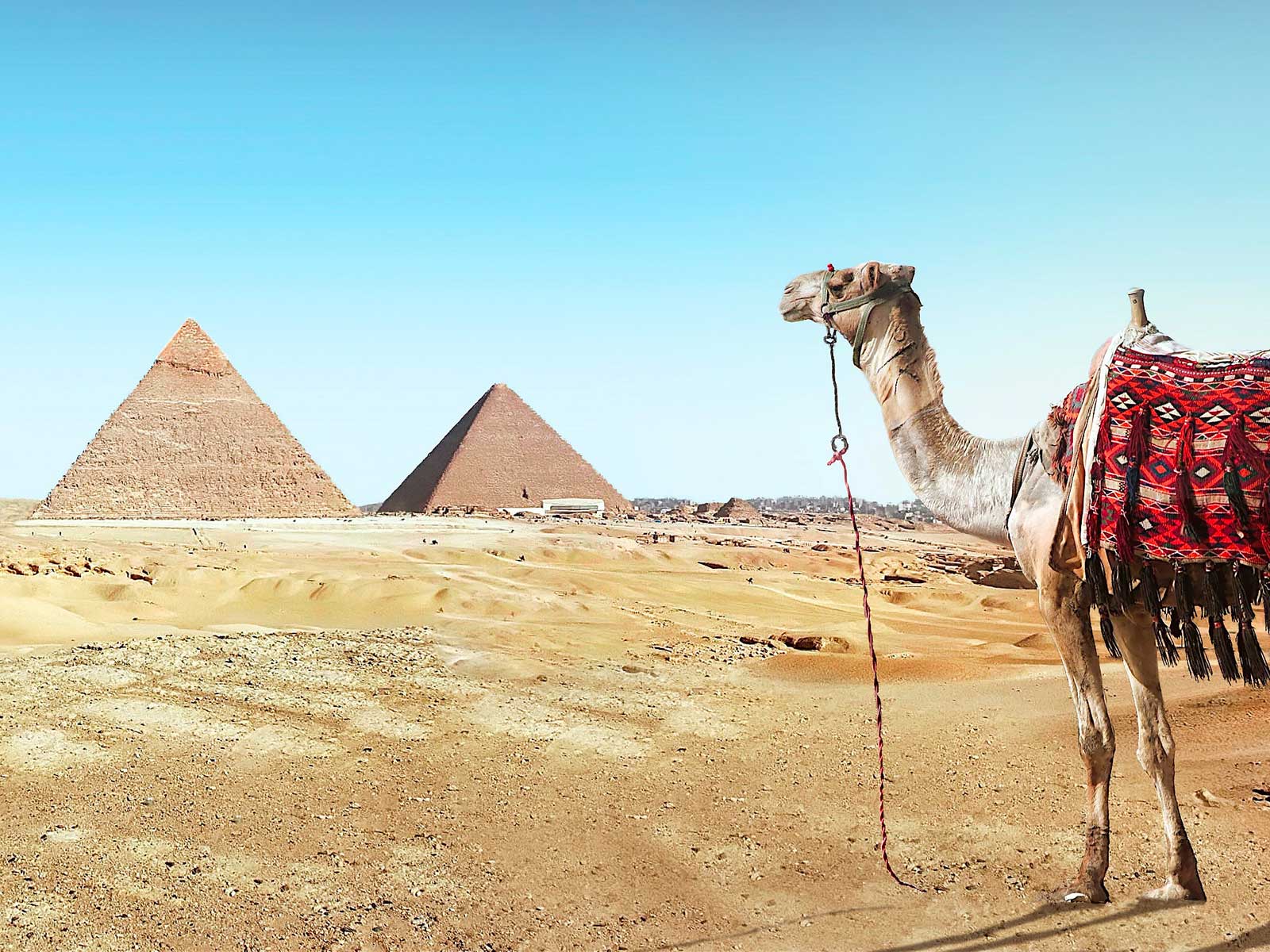
Nearby,San Andréspresents another significant pre-Columbian ceremonial and political center. While not as dramatically preserved as Joya de Cerén, its excavated structures, including plazas and administrative buildings, highlight its importance as a regional capital and trading hub. Exploring these sites offers a profound connection to a world that flourished millennia ago, much like the awe inspired by monumental constructions closer to home, such as the Pyramids of Giza.
The Spanish Colonial Era: A New Chapter
With the arrival of the Spanish conquistadors in the early 16th century, El Salvador entered a new era. The indigenous empires eventually fell, replaced by a colonial administration that reshaped the land, its people, and its culture. Spanish language, Catholicism, and new architectural styles were introduced, leaving an indelible mark on the nation's identity.
San Salvador: Colonial Echoes in the Capital
The capital city,San Salvador, while largely modernized, still retains pockets of its colonial past. The historic center, with its grand metropolitan cathedral and ornate National Palace, offers glimpses into the aesthetic and administrative heart of the Spanish colonial period. These buildings, though often rebuilt after earthquakes, carry the legacy of centuries of history.
Towards Independence and Beyond: A Nation Forges Its Path
El Salvador gained independence from Spain in 1821, embarking on a complex journey of nation-building. The 19th and 20th centuries were marked by political instability, economic shifts driven by coffee exports, and ultimately, a period of profound internal conflict.
The 20th Century: Conflict and Resilience
The late 20th century saw El Salvador grapple with a devastating civil war (1979-1992). This period of intense conflict left deep scars but also forged a spirit of remarkable resilience and a commitment to peace. The stories of this era are crucial for understanding modern El Salvador, and many museums and memorials throughout the country are dedicated to preserving the memory of these times and promoting reconciliation.
A Path to Peace and Progress
Since the signing of the peace accords in 1992, El Salvador has made significant strides in rebuilding and moving forward. The nation has embraced tourism as a vital part of its economic development, showcasing its natural beauty, vibrant culture, and compelling history to the world. This journey of recovery and renewal speaks volumes about the enduring spirit of its people.
Experiencing El Salvador's History Today
Visiting El Salvador is an opportunity to journey through time. Start your exploration at the Mayan sites, immerse yourself in the colonial architecture of towns like Suchitoto or Santa Ana, and take time to understand the modern narrative through local interactions and cultural sites.
Cultural Immersion and Local Life
Beyond the ruins and historical buildings, El Salvador's history is alive in its people, its cuisine, and its vibrant traditions. Explore local markets, sample traditional pupusas, and engage with locals to truly understand the rich tapestry of Salvadoran life. The warmth and hospitality of the Salvadoran people are an integral part of the travel experience.
Natural Wonders Beyond History
While history is a major draw, El Salvador also boasts stunning natural landscapes. From the serene shores of Lake Coatepeque, a volcanic caldera lake, to the numerous volcanoes offering challenging hikes and breathtaking views, there's a wealth of natural beauty to explore. For those who appreciate diverse natural beauty, El Salvador offers a unique blend of historical depth and scenic splendor.
Why El Salvador for Travelers from Egypt?
For travelers from Egypt, a nation steeped in ancient history and grand monuments, El Salvador offers a fascinating parallel and a unique counterpoint. Just as you marvel at the Great Sphinx of Giza and the architectural genius of the pharaohs, you can witness the ingenuity of the Mayan civilization. The journey through El Salvador's past, from its ancient roots to its modern resilience, resonates with a shared human experience of building, enduring, and ultimately thriving. It’s an opportunity to connect with another ancient civilization and witness a nation's powerful story of overcoming adversity, offering a perspective that complements the rich historical tapestry you know so well.
Embark on Your Historical Journey
El Salvador is a country of profound historical depth and remarkable modern spirit. From the meticulously preserved Mayan homes of Joya de Cerén to the colonial charm of its towns and the compelling narrative of its recent past, it offers a travel experience that is both educational and deeply moving. Discover El Salvador and uncover the layers of its captivating history, a journey that promises discovery and inspiration.