
Eid al-Adha in Egypt: Celebrating the Feast of Sacrifice
Eid al-Adha, the "Feast of Sacrifice," is one of the most significant holidays in the Islamic calendar, observed with profound reverence and joyous celebration across Egypt. This ancient festival offers a unique glimpse into the heart of Egyptian culture, marked by family unity, charitable giving, and deep spiritual reflection.
Understanding Eid al-Adha in Egypt
Eid al-Adha commemorates Prophet Ibrahim's (Abraham's) unwavering devotion to God, where he was commanded to sacrifice his son, but was ultimately provided with a ram to sacrifice instead. Known locally as the "Greater Eid" or sometimes just "Eid al-Kebir," it follows the annual Hajj pilgrimage and typically lasts for four days, though celebrations and public holidays can extend longer.
Did You Know?Eid al-Adha falls on the 10th day of Dhu al-Hijjah, the twelfth and final month of the Islamic lunar calendar. Its exact date varies each year on the Gregorian calendar, shifting approximately 10-11 days earlier annually.
For Egyptians, this period is a time of immense spiritual significance and communal joy. It’s a moment to reinforce family bonds, share blessings with the less fortunate, and reflect on the themes of sacrifice, faith, and gratitude.
The Heart of the Celebration: Eid Traditions
Egyptian Eid al-Adha is steeped in rich traditions that bring communities and families together.
Morning Prayers and Sermons
The first day of Eid begins with special congregational prayers (Salat al-Eid) held shortly after sunrise. Mosques across the country, from the grandest in Cairo to the smallest village prayer spaces, are packed with worshippers dressed in their finest new clothes. Many also gather in large open areas and public squares to pray together, fostering a strong sense of community and shared faith.
The Ritual of Sacrifice (Qurbani)
Central to Eid al-Adha is the ritual sacrifice of livestock (sheep, goats, cows, or camels), known asQurbani. This act symbolizes Ibrahim’s obedience and devotion. The meat is then traditionally divided into three parts:
- One-third for the family to consume.
- One-third for friends and neighbors.
- One-third for the poor and needy.
This distribution ensures that everyone, regardless of their economic status, can partake in the feast, embodying the spirit of generosity and solidarity that defines the holiday.
Family Gatherings and Feasts
After prayers and the sacrifice, families embark on a round of visits to relatives and friends. Homes bustle with activity, filled with laughter, conversation, and the aroma of traditional Egyptian dishes. Elaborate feasts are prepared, with meat being the star of most meals.
Children are a special focus during Eid, often receiving new clothes andEidiya– small sums of money from elders, which they eagerly collect and spend on toys or treats.
Acts of Charity and Giving
Charity is an integral part of Eid al-Adha. Beyond the distribution of meat, many Egyptians engage in additional acts of giving, such as donating food, clothes, or money to charitable organizations or directly to those in need. This emphasis on compassion and sharing reinforces the holiday's spiritual message.
Egyptian Eid Delicacies
Food plays a pivotal role in Eid al-Adha celebrations, with specific dishes taking center stage:
- Fatta:This iconic dish is a must-have for Eid al-Adha. It consists of layers of rice, crispy fried bread, and a rich garlic-vinegar tomato sauce, topped with succulent pieces of lamb or beef from the sacrifice.
- Roasted or Grilled Meats:Lamb and beef are prepared in countless ways – roasted, grilled as kebabs, or stewed in rich sauces.
- Soups and Broths:Meat broths, often flavored with aromatic spices, are common accompaniments.
- Desserts:WhileKahk(traditional Eid cookies) are more associated with Eid al-Fitr, various other sweets and pastries are enjoyed, along with fresh fruits and nuts.
These meals are not just about sustenance; they are a communal experience, savored slowly with loved ones, embodying the warmth and hospitality of Egyptian culture.
Experiencing Eid al-Adha as a Visitor
Visiting Egypt during Eid al-Adha offers a unique cultural immersion, but it's important to be prepared.
Where to Be During Eid
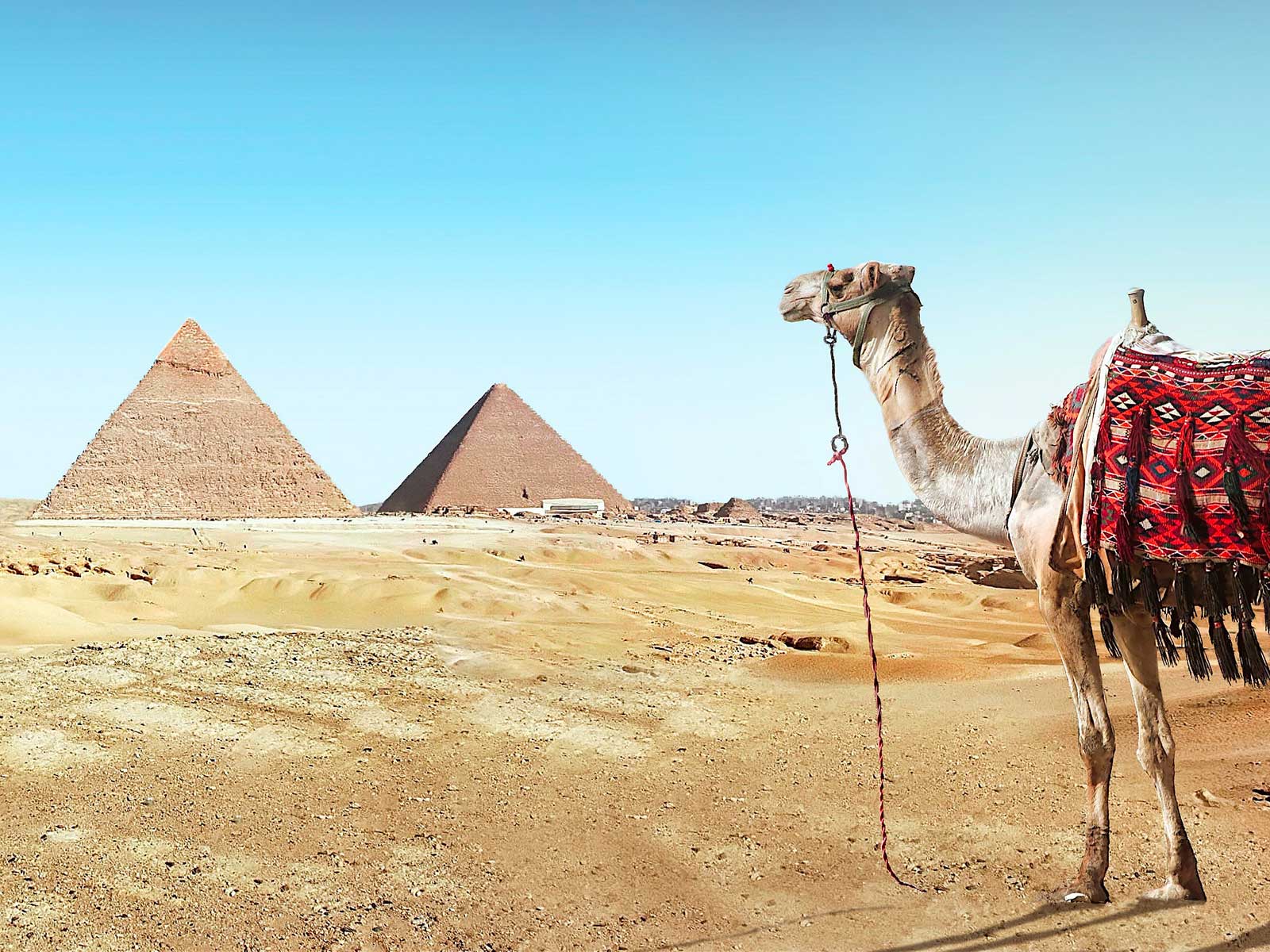
- Cairo:The capital buzzes with activity. You can witness the morning prayers in grand mosques like Al-Azhar or Sultan Hassan. Many families will be out visiting relatives or enjoying parks and public spaces. Major attractions like the Pyramids of Giza and the Great Sphinx of Giza remain open, though they might be more crowded with local tourists.
- Coastal Resorts:If you prefer a more relaxed Eid, destinations like Hurghada or Sharm El Sheikh offer a different experience. While local celebrations will be present, many Egyptians head to these areas for holidays. Enjoy the stunning marine life with Red Sea Diving in Hurghada or simply relax by the beach.
- Nile Cruises:A Nile cruise between Luxor and Aswan offers a serene way to spend the holiday, with special Eid dinners and entertainment often provided.
- Rural Areas:For an authentic, community-focused experience, smaller towns and villages will showcase the traditions in their purest form, with a stronger emphasis on local customs and hospitality.
Practical Tips for Travelers
- Book in Advance:Accommodation and transportation (especially domestic flights and trains) get fully booked well in advance due to increased domestic travel. Plan your itinerary and secure bookings early.
- Expect Crowds:Tourist sites, public parks, and popular restaurants will be busier than usual. Be prepared for longer queues and more bustling environments.
- Business Hours:Some smaller shops, banks, and government offices may close or operate with reduced hours for the duration of the holiday. Larger supermarkets and tourist-oriented businesses typically remain open.
- Dress Respectfully:Especially when visiting mosques or participating in local events, modest attire is appreciated and respectful of local customs.
- Embrace the Spirit:Egyptians are incredibly hospitable. You might receive invitations to join meals or celebrations. Accepting these (if comfortable) is a wonderful way to experience the local culture. A simple "Eid Mubarak" (Blessed Eid) will be met with warmth and smiles.
- Transportation:Taxis and ride-sharing services will be available, but demand may be higher, leading to increased wait times or surge pricing.
Eid al-Adha in Egypt is more than just a public holiday; it's a vibrant tapestry of faith, family, and generosity. It's a time when the warmth of Egyptian hospitality shines brightest, offering visitors a profound and memorable cultural experience. Whether you're witnessing the communal prayers, sharing in a family feast, or simply soaking in the joyous atmosphere, Eid in Egypt is an unforgettable journey into the heart of its people.