
Egyptian Culture: Islam, Pharaohs & Social Customs
Egypt is a land where ancient wonders meet vibrant modern life, creating a unique cultural tapestry unlike anywhere else. Understanding its rich heritage, deeply rooted in both Pharaonic history and Islamic traditions, is key to an unforgettable journey. Delve into the fascinating layers of Egyptian society to enrich your travel experience.
A Tapestry of Time: The Enduring Legacy of Ancient Egypt
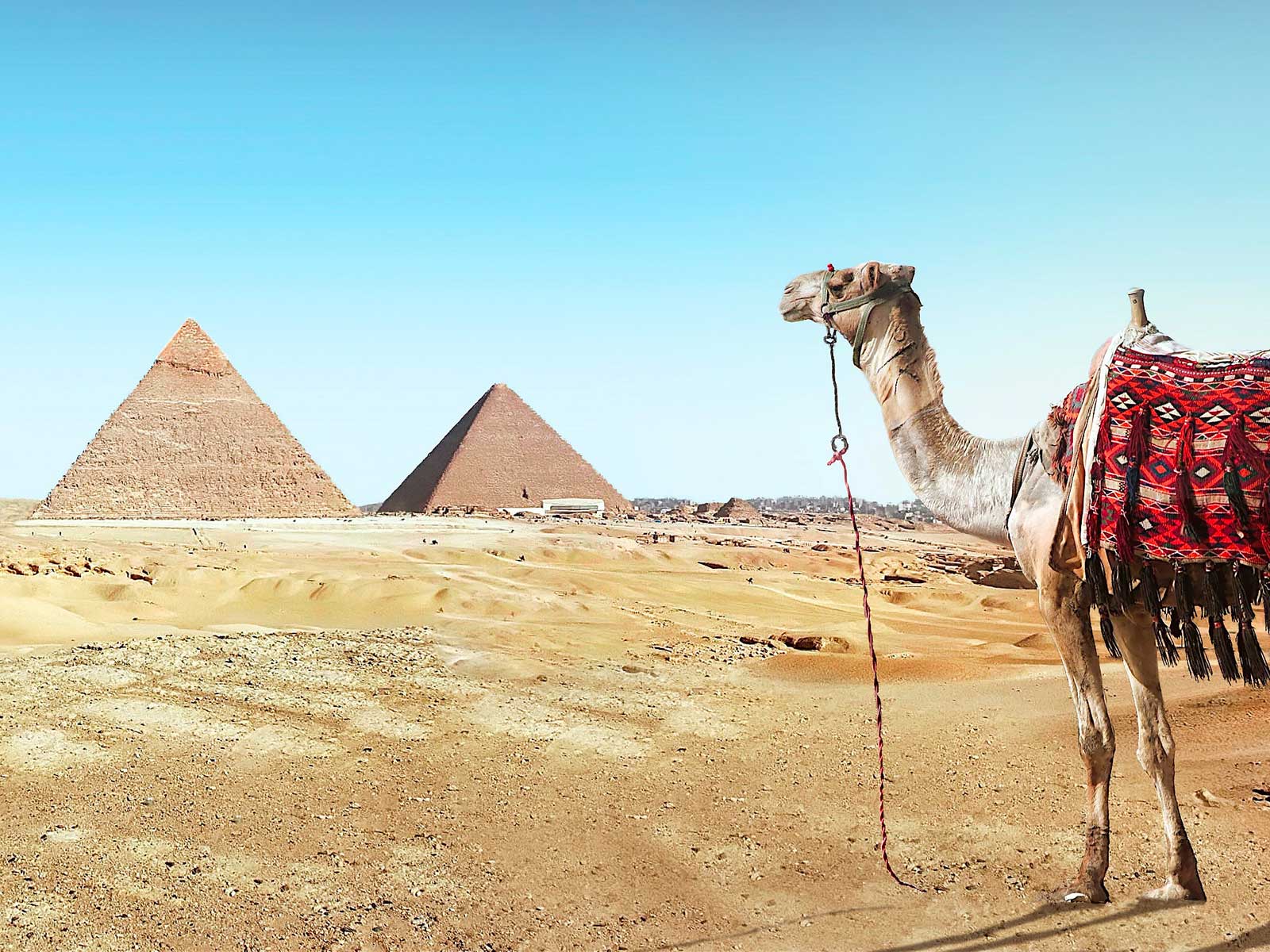
The echoes of the pharaohs resonate throughout Egypt, shaping its identity and drawing visitors from across the globe. From the monumental Pyramids of Giza and the enigmatic Great Sphinx of Giza to the intricate temples along the Nile, the achievements of ancient Egyptians are a source of immense national pride. This reverence for the past is more than just historical; it forms a bedrock of cultural identity, influencing art, storytelling, and even the daily rhythm of life.
Ancient Egyptian civilization left an indelible mark with its sophisticated understanding of astronomy, mathematics, and architecture. Their belief systems, intricate mythology, and distinctive artistic styles continue to captivate and inspire. While millennia have passed, the spirit of the pharaohs remains a powerful, visible thread in the fabric of modern Egypt, fostering a deep connection to a glorious past.
Fun Fact:The ancient Egyptians invented many things we still use today, including paper (papyrus), toothpaste, and even the earliest forms of bowling!
Islam in Egypt: Faith and Daily Life
Islam is the predominant religion in Egypt, with the vast majority of Egyptians identifying as Sunni Muslims. The call to prayer, echoing from mosques five times a day, is an integral part of the soundscape, reminding both locals and visitors of the strong spiritual pulse of the nation. While Coptic Christianity represents a significant minority, Islamic traditions largely define the country's social norms and daily routines.
For travelers, understanding a few key aspects of Islamic culture can greatly enhance your visit:
- Modesty in Dress:While not strictly enforced for tourists, dressing modestly (covering shoulders and knees) is a sign of respect, especially when visiting religious sites or conservative areas.
- Ramadan:If traveling during the holy month of Ramadan, be aware that many Muslims fast from dawn till dusk. While restaurants in tourist areas often remain open, it's polite to refrain from eating, drinking, or smoking in public during daylight hours. The evenings, however, come alive with festive meals and social gatherings.
- Greetings:The common Arabic greeting "Salam alaikum" (Peace be upon you) is widely understood and appreciated.
- Alcohol:Alcohol is available in many hotels and tourist establishments, but its consumption is less common in public places outside of designated areas.
Respect for religious practices is paramount. Observing local customs and showing deference to sacred sites will always be met with appreciation.
Social Customs: Navigating Modern Egyptian Society
Egyptian society is warm, hospitable, and deeply rooted in community values. A little awareness of local customs will help you navigate interactions smoothly and build positive connections.
Hospitality (Karam)
Hospitality, known askaram, is a cornerstone of Egyptian culture. Guests are highly valued, and you may often be offered tea, coffee, or even a meal. Accepting these gestures, even if just a sip of tea, is a sign of respect and appreciation. Egyptians are generally very friendly and curious, often striking up conversations with foreigners.
Family Values
The family unit is central to Egyptian life. Respect for elders is deeply ingrained, and extended families often live close to one another, providing a strong support network. When interacting, you may notice strong bonds and deference towards older family members.
Greetings and Communication
- Handshakes:Men typically shake hands with other men. Women usually shake hands with other women. When greeting someone of the opposite sex, it's best to wait for them to extend their hand first. A simple nod and a verbal greeting are always appropriate.
- Personal Space:Egyptians tend to stand closer to each other during conversations than many Westerners might be accustomed to. Don'
- Eye Contact:Direct eye contact is generally seen as a sign of honesty and respect.
- Body Language:Avoid pointing with your finger; use your whole hand. Showing the sole of your foot towards someone is considered offensive.
Dress Code
While Egypt is relatively relaxed in tourist areas, a modest dress code is advisable for both men and women to show respect for local customs. For women, this means covering shoulders and knees; loose-fitting clothing is also more comfortable in the heat. For men, shorts are generally acceptable in tourist resorts and on beaches, but long pants are preferred in cities and when visiting religious sites. When entering a mosque, women will typically need to cover their hair, and both men and women should remove their shoes.
Dining Etiquette
Meals are often a communal affair. If eating with your hands (common with traditional dishes like falafel or koshary), always use your right hand, as the left is traditionally considered unclean. It's polite to accept food when offered, even if you only take a small amount. Meals can be leisurely, so don't rush.
Tipping (Baksheesh)
Tipping, orbaksheesh, is an expected part of Egyptian culture, extending beyond just waiters to anyone who provides a service, however small. This can include bathroom attendants, luggage carriers, and even people who give directions. It's wise to carry a supply of small denominations of Egyptian pounds for this purpose. While it might seem frequent, it's deeply embedded in the local economy and is a way of showing appreciation.
Photography
Egypt offers countless photographic opportunities, but always ask permission before taking pictures of people, especially women. Some individuals may be shy or prefer not to be photographed. Be particularly discreet around religious sites or in more conservative neighborhoods.
Cultural Sensitivity: Enhancing Your Egyptian Experience
Embracing Egyptian culture means approaching it with an open mind and a respectful attitude. Engage with locals, try new foods, and immerse yourself in the vibrant street life. From the historical marvels to the bustling markets and the serene beauty of the Nile, every interaction offers a chance to deepen your understanding.
Whether you're exploring ancient ruins, haggling in a souk, or enjoying the diverse marine life while Red Sea Diving Hurghada, remember that a little cultural awareness goes a long way. It transforms a simple visit into a profound journey, allowing you to connect with the heart and soul of this incredible nation.
Embrace the Blend
Egyptian culture is a captivating blend of ancient grandeur and modern vitality, where the reverence for pharaohs coexists with the daily rhythm of Islamic life and deeply ingrained social customs. By understanding and respecting these foundational elements, you're not just a tourist; you become an appreciative participant in Egypt's enduring story, ready to create your own rich and memorable experiences.