
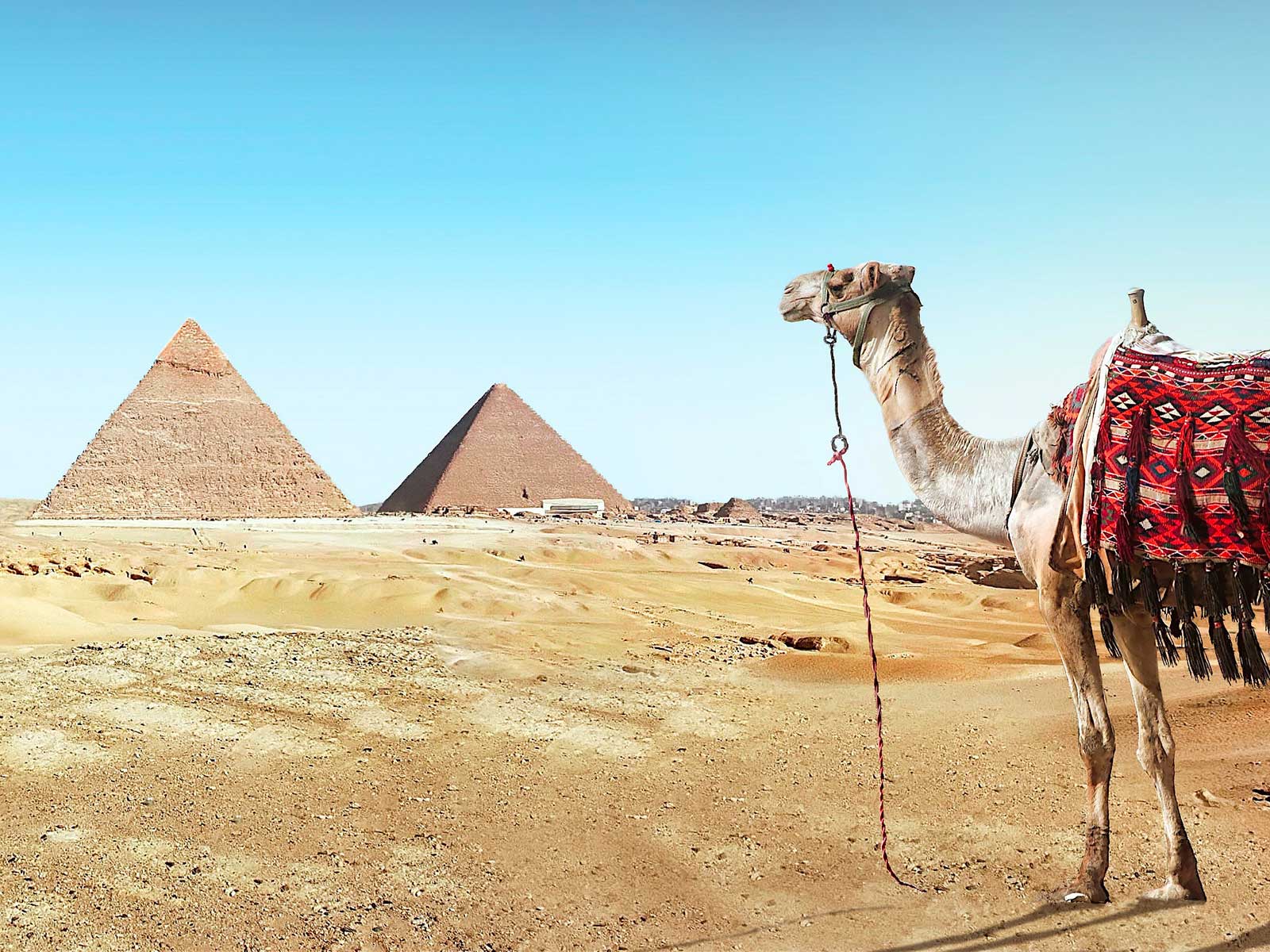
Best Time to Visit Egypt: Pyramids, Nile & Red Sea
Planning an unforgettable trip to Egypt involves more than just picking your destinations; timing is everything. From the ancient wonders of the Pyramids of Giza to the serene cruises along the Nile and the vibrant underwater world of the Red Sea, each experience is profoundly shaped by the season.
Understanding Egypt's Climate
Egypt is predominantly a desert country, characterized by two main seasons: a hot, dry summer and a mild winter. The vast majority of the country, including Cairo and the Nile Valley, experiences extremely hot temperatures from June to August. Coastal areas along the Mediterranean and Red Sea benefit from sea breezes, making them slightly more tolerable, though still very warm. Winters, from December to February, are generally mild and pleasant, especially in the south, while nights can be cool.
The Best Overall Time to Visit Egypt (The "Sweet Spot")
For most travelers aiming to experience Egypt's full spectrum of attractions comfortably, the shoulder seasons offer the ideal balance of pleasant weather and manageable crowds.
Autumn (September - November)
As the intense summer heat begins to subside, autumn emerges as a prime time to visit. September can still be quite warm, especially in the south, but by October and November, temperatures become delightfully mild. This period is excellent for sightseeing at ancient sites, enjoying a Nile cruise, and partaking in Red Sea activities. Crowds start to build towards November, but generally remain less intense than peak winter.
Spring (March - May)
Mirroring the autumn months, spring offers similarly pleasant conditions, particularly from March to April. The desert can even experience a brief, subtle bloom of wildflowers in early spring. It's an ideal time for exploring historical sites and enjoying the Red Sea. However, be aware that temperatures begin to climb significantly towards May, and the occasionalKhamsin
wind – a hot, dry, sand-laden wind – can blow in from the desert, particularly in April and May.
Visiting the Pyramids and Ancient Sites
The timeless allure of sites like the Pyramids of Giza and the enigmatic Great Sphinx of Giza, along with Luxor's temples and the Valley of the Kings, demands comfortable exploration. Heat and direct sun can significantly impact your experience.
Ideal Time:Late autumn, winter, and early spring (October to April) provide the most favorable conditions. Daytime temperatures are mild, making outdoor exploration enjoyable without the oppressive heat. Expect comfortable walking weather, though you might need a light jacket for cooler mornings and evenings, especially in December and January.
Practical Tip:Regardless of the season, always aim to visit major outdoor ancient sites in the early morning to beat both the crowds and the strongest sun. Hydration is key!
Summer Considerations (June - August):While fewer crowds might appeal, the heat in Upper Egypt (Luxor, Aswan) and around Cairo during summer is intense, often exceeding 40°C (104°F). Sightseeing becomes very challenging, requiring extreme caution, early starts, and frequent breaks in the shade. However, if you can tolerate the heat, you might find lower accommodation prices and fewer tourists.
Cruising the Nile
A journey along the Nile, from Luxor to Aswan, is a quintessential Egyptian experience, offering a relaxing way to see ancient temples and vibrant local life from the deck of a boat.
Ideal Time:The mild temperatures of winter (November to February) are perfect for Nile cruises. You can comfortably relax on deck, enjoy the views, and participate in shore excursions to places like Edfu and Kom Ombo without being overwhelmed by heat. Spring (March-April) and autumn (October) are also excellent choices, offering pleasant weather before or after the peak winter crowds.
Summer Considerations (June - August):Cruising the Nile in summer is possible, and some travelers appreciate the lower prices. However, deck time will be limited due to the intense sun, and shore excursions can be very demanding. Most modern cruise boats are fully air-conditioned, providing respite indoors, but the outdoor experience is significantly altered by the heat.
Relaxing and Diving in the Red Sea
Egypt's Red Sea coast, home to world-renowned dive sites and vibrant resorts like Red Sea Diving Hurghada, offers a different set of considerations.
Ideal Time:The Red Sea is a fantastic destination year-round, but conditions vary. For diving, snorkeling, and beach relaxation,spring (April-May)andautumn (September-November)are superb. Air temperatures are warm but not scorching, and the water is delightfully comfortable, typically ranging from 24-28°C (75-82°F).
Winter Considerations (December - March):Winter offers pleasant air temperatures for lounging on the beach, with less intense sun. While the water remains swimmable (around 22-24°C / 72-75°F), it can feel a bit cool for prolonged dips without a wetsuit, especially for divers. This is a popular time for Europeans seeking winter sun, so resorts can be busy.
Summer Considerations (June - August):Summers are extremely hot on the Red Sea coast, with air temperatures often exceeding 35°C (95°F). However, the water is wonderfully warm, often reaching 28-30°C (82-86°F), making it perfect for swimming, snorkeling, and diving. If you can tolerate the heat on land, the marine life and underwater visibility remain excellent.
Seasonal Breakdown: Pros and Cons
Winter (December - February)
- Pros:Mildest weather for sightseeing (especially in Cairo and the Nile Valley), comfortable for outdoor activities.
- Cons:Peak tourist season, highest prices for flights and accommodation, most crowded sites.
Spring (March - May)
- Pros:Pleasant temperatures, fewer crowds than winter, excellent for all activities.
- Cons:Temperatures rise significantly in May, possibility of Khamsin winds (sandstorms) in April/May.
Summer (June - August)
- Pros:Lowest prices, fewer crowds at ancient sites, Red Sea is perfect for swimming and diving.
- Cons:Extremely hot and intense sun, challenging for desert exploration and extensive outdoor sightseeing.
Autumn (September - November)
- Pros:Excellent weather, ideal for all types of activities, crowds build towards November.
- Cons:Still quite warm in early September, especially in the south.
Special Considerations
- Ramadan:The timing of Ramadan shifts each year. During this holy month, some restaurants outside major tourist areas may have altered hours, and alcohol sales might be restricted. While major tourist services operate normally, showing cultural sensitivity is appreciated.
- Public Holidays:Major Egyptian holidays can mean increased domestic travel and potential closures for some businesses. Always check local holiday calendars if your trip falls during these times.
- Sandstorms:While generally infrequent, sandstorms (Khamsin) can occur, particularly in spring. They typically last a few hours to a few days and can reduce visibility and cause temporary discomfort.
Conclusion: Tailoring Your Trip
Ultimately, the "best" time to visit Egypt hinges on your personal preferences and primary interests. For comfortable exploration of ancient wonders and a leisurely Nile cruise, thewinter months (December-February)or theshoulder seasons of autumn (October-November) and spring (March-April)are paramount. If your focus is purely on the Red Sea's aquatic adventures, Egypt offers a fantastic experience year-round, with summer providing bath-like water temperatures despite the intense heat ashore. Consider your priorities – weather, crowds, or budget – and plan your Egyptian adventure accordingly to ensure an unforgettable journey through history and natural beauty.