
Ancient Egyptian History: A Beginner's Guide to Pharaohs, Pyramids & Gods
Step into a world of timeless wonder and ancient mysteries. Ancient Egypt, a civilization that captivated humanity for millennia, continues to fascinate with its monumental architecture, powerful rulers, and rich spiritual beliefs. This guide offers a perfect starting point to explore the awe-inspiring legacy of the pharaohs, the secrets of the pyramids, and the intricate pantheon of gods.
Unveiling Ancient Egypt: A Journey Through Time
Ancient Egyptian history spans over 3,000 years, a vast period often divided into various kingdoms and intermediate periods. From its origins around 3100 BCE with the unification of Upper and Lower Egypt to its eventual decline after the Roman conquest in 30 BCE, this civilization left an indelible mark on the world.
The Dynasties: More Than Just Numbers
Egyptian history is typically structured into 31 dynasties, families of rulers who passed power down through generations. These dynasties are grouped into broader periods:
- Early Dynastic Period (c. 3100–2686 BCE):The unification of Egypt and the establishment of the pharaonic system.
- Old Kingdom (c. 2686–2181 BCE):Known as the "Age of the Pyramids," a period of great centralized power and monumental construction.
- First Intermediate Period (c. 2181–2055 BCE):A time of political fragmentation and regional rule.
- Middle Kingdom (c. 2055–1650 BCE):A period of reunification, literary flourishing, and expansion into Nubia.
- Second Intermediate Period (c. 1650–1550 BCE):Marked by the Hyksos invasion and foreign rule in parts of Egypt.
- New Kingdom (c. 1550–1069 BCE):The "Golden Age" of Egypt, characterized by imperial expansion, powerful pharaohs, and grand temples.
- Late Period (c. 1069–332 BCE):A time of decline, foreign invasions, and intermittent periods of Egyptian rule.
Fun Fact:The Rosetta Stone, discovered in 1799, was key to deciphering ancient Egyptian hieroglyphs, unlocking centuries of history and culture.
Pharaohs: Rulers and Gods on Earth
The pharaoh was much more than a king; he was considered a living god, the intermediary between humanity and the divine. His role was paramount, responsible for maintainingMa'at(cosmic order, justice, and truth) and ensuring the prosperity of Egypt. Pharaohs commanded vast resources, led armies, administered justice, and oversaw the construction of temples and tombs.
Iconic Pharaohs Who Shaped History
Throughout the millennia, many pharaohs rose to prominence, leaving behind legacies that resonate to this day:
- Narmer (c. 3100 BCE):Often credited with unifying Upper and Lower Egypt, marking the beginning of the dynastic period.
- Khufu (c. 2589–2566 BCE):The pharaoh for whom the Great Pyramid of Giza was built, a testament to his power and the engineering prowess of his era.
- Hatshepsut (c. 1479–1458 BCE):One of the most successful female pharaohs, she reigned during the New Kingdom, overseeing a period of great prosperity and monumental construction, including her magnificent mortuary temple at Deir el-Bahari.
- Akhenaten (c. 1353–1336 BCE):A revolutionary pharaoh who attempted to introduce a monotheistic worship of the sun disk god Aten, moving the capital to Amarna. His religious reforms were largely reversed after his death.
- Tutankhamun (c. 1332–1323 BCE):The "Boy King" whose virtually intact tomb, discovered by Howard Carter in 1922, provided an unparalleled glimpse into the wealth and burial practices of the New Kingdom.
- Ramses II (c. 1279–1213 BCE):Known as "Ramses the Great," he was a prolific builder and military leader who reigned for 66 years. His legacy includes numerous temples, colossal statues, and significant military campaigns, most famously the Battle of Kadesh.
Pyramids and Tombs: Stairways to the Afterlife
The most enduring symbols of ancient Egypt are undoubtedly its pyramids and elaborate tombs. These structures were not merely monuments but intricate components of the Egyptian belief in the afterlife, designed to protect the pharaoh's body and possessions for eternity.
Architectural Wonders: From Giza to the Valley of the Kings
The evolution of burial architecture is a fascinating journey:
- Mastabas:Early rectangular, flat-topped tombs with sloping sides, serving as the predecessors to pyramids.
- Step Pyramid of Djoser (Saqqara):Built by Imhotep around 2670 BCE, it's considered the world's first monumental stone building, a series of mastabas stacked atop one another.
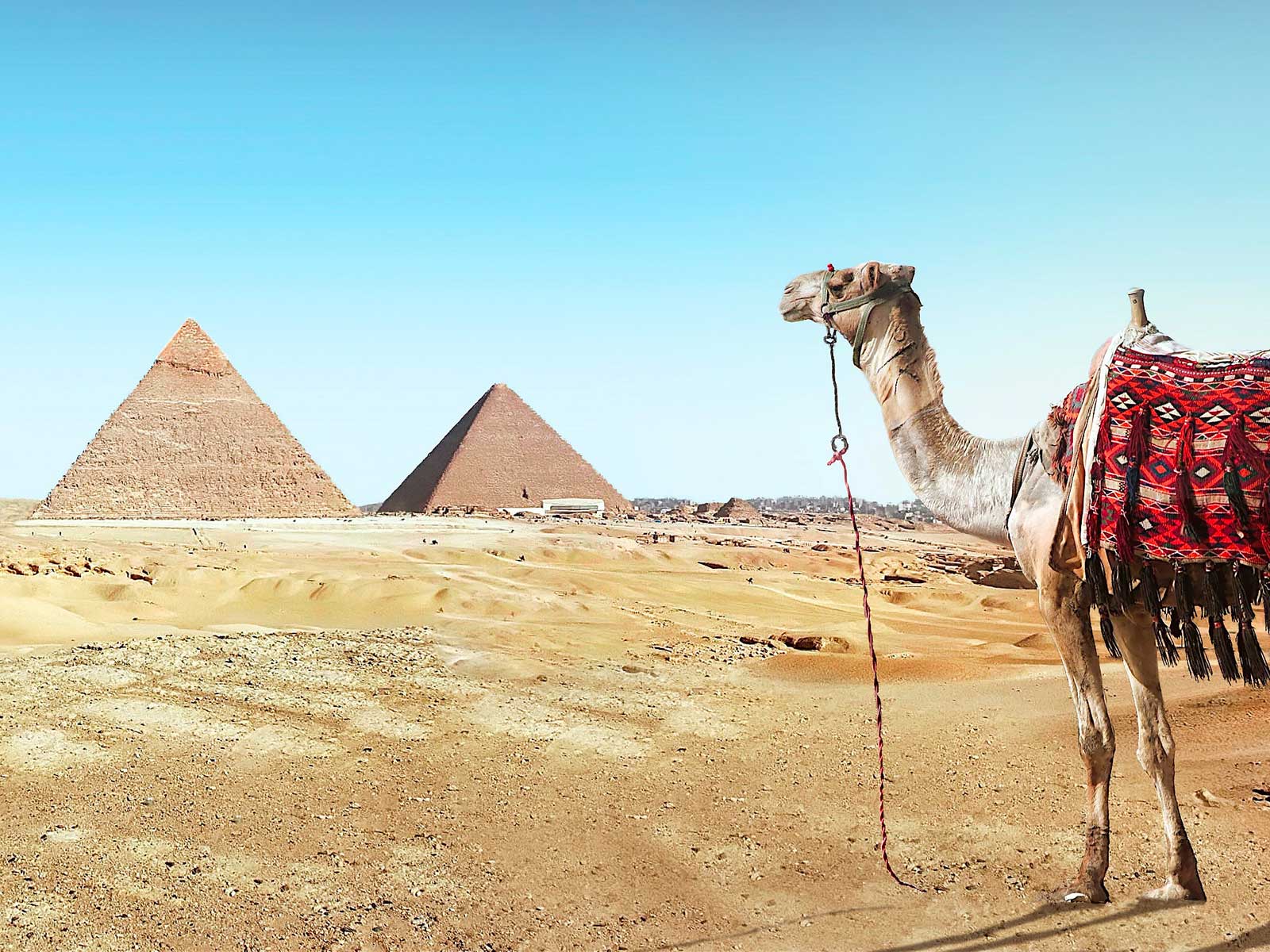
- True Pyramids:Reaching their zenith in the Old Kingdom, these iconic structures represent unparalleled feats of engineering. The most famous are the Pyramids of Giza, including the Great Pyramid of Khufu, the Pyramid of Khafre, and the Pyramid of Menkaure. Guarding the plateau is the enigmatic Great Sphinx of Giza, a colossal limestone statue with the body of a lion and the head of a human, believed to represent Pharaoh Khafre.
- Valley of the Kings (New Kingdom):As pyramid building declined, pharaohs and powerful nobles opted for rock-cut tombs hidden deep within the Theban Hills, like those found in the Valley of the Kings, to deter grave robbers. These tombs, though less visible from the outside, are often richly decorated with intricate hieroglyphs and vibrant wall paintings depicting the journey to the afterlife.
Exploring these sites today offers an immersive experience, allowing visitors to walk in the footsteps of ancient royalty and marvel at the ingenuity of their civilization.
Gods and Goddesses: The Pantheon of Ancient Egypt
Ancient Egyptian religion was polytheistic, with a vast pantheon of gods and goddesses, each associated with different aspects of nature, human life, and the cosmos. The Egyptians believed in a complex afterlife, where a person's heart would be weighed against the feather of Ma'at to determine their fate.
Key Deities and Their Influence
Some of the most prominent deities include:
- Ra (Re):The sun god, often considered the most important deity, creator of all life.
- Osiris:God of the underworld, resurrection, and fertility. He was murdered by his brother Set and brought back to life by his wife Isis.
- Isis:Goddess of magic, motherhood, healing, and protection. She was a powerful sorceress and devoted wife to Osiris.
- Horus:Son of Osiris and Isis, depicted as a falcon or a man with a falcon head. He was the god of kingship, the sky, and protection, avenging his father's death.
- Anubis:Jackal-headed god associated with mummification and the afterlife, guiding souls to the underworld.
- Thoth:God of writing, knowledge, wisdom, and the moon, often depicted as an ibis or baboon.
The belief in the afterlife fueled the practice of mummification, a meticulous process to preserve the body for its journey to the next world, along with grave goods and spells from texts like the Book of the Dead, to ensure a successful transition.
Visiting Ancient Egypt Today: A Practical Guide
Experiencing the grandeur of ancient Egypt firsthand is an unforgettable adventure. While the history is dense, visiting the sites brings it to life in a way no book can.
- Plan Your Itinerary:Focus on key historical hubs like Cairo (for the Egyptian Museum and Giza), Luxor (for Karnak, Luxor Temple, and the Valley of the Kings), and Aswan (for Philae Temple and Abu Simbel).
- Hire a Guide:A knowledgeable local guide can bring the stories of pharaohs, gods, and hieroglyphs to life, providing invaluable context and insights.
- Dress Appropriately:Respect local customs by dressing modestly, especially when visiting religious sites. Lightweight, breathable fabrics are best for the desert climate.
- Stay Hydrated:Egypt can be very hot, particularly during summer months. Drink plenty of water and wear sun protection.
- Consider a Nile Cruise:Many visitors opt for a multi-day Nile cruise between Luxor and Aswan, offering a relaxing way to see many significant temples along the river.
Travel Tip:Allow ample time at major sites like the Pyramids of Giza and the Valley of the Kings. There's so much to absorb, from the sheer scale of the structures to the intricate details of the tomb paintings.
Embark on Your Own Egyptian Adventure
Ancient Egypt's legacy is a testament to human ingenuity, spiritual devotion, and the enduring quest for immortality. From the powerful pharaohs who ruled with divine authority to the colossal pyramids that touch the sky and the intricate pantheon of gods that shaped daily life, this civilization offers endless opportunities for exploration and discovery. Begin your journey into this extraordinary past and uncover the magic of Egypt for yourself.