
Ancient Egypt for Travelers: Pharaohs, Pyramids & Tombs
Embark on an unforgettable journey through time to the land of pharaohs, where colossal monuments rise from the desert sands and ancient stories whisper from hieroglyph-covered walls. Egypt offers a profound connection to one of history's most fascinating civilizations, inviting travelers to explore its enduring legacy firsthand.
Unveiling Ancient Egypt: A Journey Through Time
For millennia, the civilization of Ancient Egypt flourished along the fertile banks of the Nile River, leaving behind an astonishing collection of architectural wonders, intricate artworks, and enigmatic writings. From the awe-inspiring pyramids to the richly decorated tombs, every site tells a story of gods, kings, and a profound belief in the afterlife. Traveling through Egypt is not merely a sightseeing trip; it's an immersive experience into the heart of a culture that continues to captivate the world.
Iconic Sites: Pillars of a Lost World
The Giza Plateau: Where Giants Stand
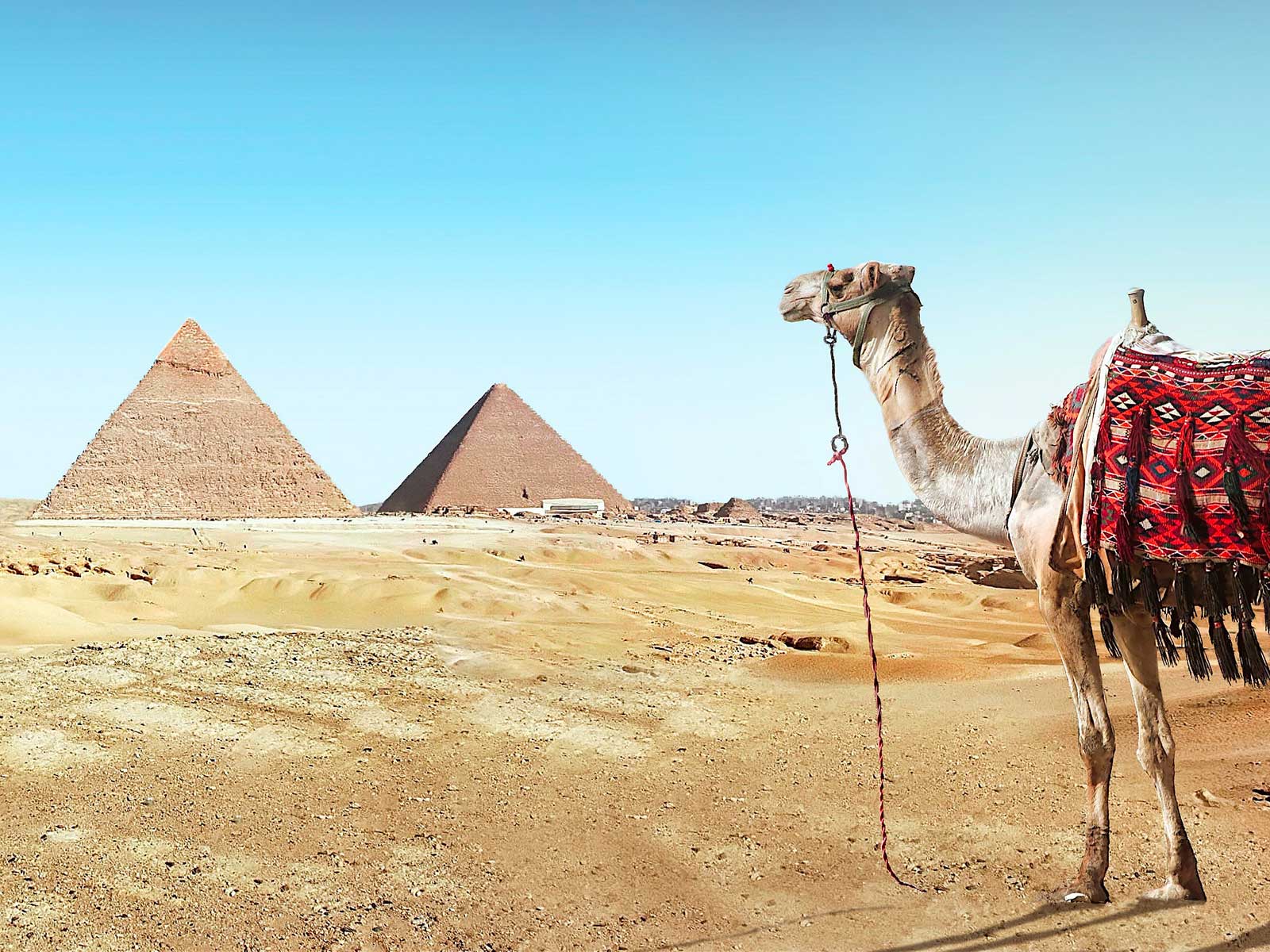
No visit to Egypt is complete without standing before the magnificent structures of the Pyramids of Giza. These ancient marvels, built as monumental tombs for pharaohs Khufu, Khafre, and Menkaure, are the last remaining wonders of the ancient world. Their sheer scale and precision are a testament to the advanced engineering and organizational skills of the ancient Egyptians. Nearby, guarding these timeless monuments, lies the enigmatic Great Sphinx of Giza, a colossal statue with the body of a lion and the head of a human, symbolizing strength and wisdom.
Did You Know?The Great Pyramid of Giza was the tallest man-made structure in the world for over 3,800 years, a record unsurpassed until the construction of Lincoln Cathedral in England around 1300 AD.
Luxor: The World's Greatest Open-Air Museum
Often referred to as "Thebes" in ancient times, Luxor is a treasure trove of temples and tombs on the banks of the Nile. It served as the capital of Egypt during its New Kingdom period, and its grandeur is still palpable today.
- Karnak Temple Complex:This vast complex is a city of temples, chapels, pylons, and other buildings, constructed over two millennia. It is the largest ancient religious site in the world, dedicated primarily to the Theban Triad of Amun, Mut, and Khonsu. Walking through its towering hypostyle hall, with its 134 massive columns, is an unforgettable experience.
- Luxor Temple:Connected to Karnak by an ancient avenue of sphinxes, Luxor Temple is another stunning example of pharaonic architecture. It was largely built by Amenhotep III and Ramesses II and was dedicated to the rejuvenation of kingship.
- Valley of the Kings:On the West Bank of the Nile, this necropolis served as the burial place for pharaohs and powerful nobles of the New Kingdom. Here, you can descend into the richly decorated tombs of rulers like Tutankhamun, Ramesses VI, and Seti I, marveling at the vibrant hieroglyphs and paintings that depict their journey to the afterlife.
- Temple of Hatshepsut:This unique mortuary temple, dedicated to one of Egypt's most powerful female pharaohs, is carved directly into the cliff face at Deir el-Bahari, showcasing impressive terraced architecture.
Aswan & Abu Simbel: Southern Gems
Further south, Aswan offers a more relaxed pace and picturesque Nile scenery. Key attractions include the elegant Philae Temple, dedicated to the goddess Isis and relocated to Agilkia Island to save it from the rising waters of Lake Nasser. You can also visit the Unfinished Obelisk in the ancient granite quarries, which provides insight into ancient Egyptian stoneworking techniques. A day trip or overnight journey to Abu Simbel is highly recommended. These two massive rock-cut temples, built by Pharaoh Ramesses II, are a breathtaking sight, especially when considering their monumental relocation in the 1960s to protect them from the Aswan High Dam reservoir.
Understanding Ancient Egypt: Pharaohs, Pyramids & the Afterlife
To truly appreciate these sites, a basic understanding of ancient Egyptian beliefs is invaluable. Pharaohs were considered divine rulers, linking humanity to the gods, and their monumental structures reflected their power and their role in ensuring cosmic order (Ma'at). Pyramids and elaborate tombs were not just burial places but intricate machines designed to transport the deceased pharaoh or noble safely into the afterlife, where they would join the gods. The meticulous practice of mummification, combined with grave goods and protective spells, was crucial for this eternal journey.
The hieroglyphs and detailed wall paintings found within temples and tombs are not mere decoration; they are a sophisticated system of writing and art that conveys prayers, historical records, and instructions for the dead. Learning to recognize some common symbols or deities can significantly enhance your visit.
Practical Tips for Travelers
When to Visit
The best time to visit Egypt is during the cooler months, fromOctober to April. Temperatures are more pleasant for sightseeing, especially in the desert regions. Summers (May to September) can be intensely hot, though some travelers prefer this period for fewer crowds.
Getting Around
A classic way to experience Egypt is aNile River cruise, typically connecting Luxor and Aswan, allowing you to visit temples directly from the river. For longer distances, domestic flights are efficient. Within cities, taxis and ride-sharing apps are readily available. Consider hiring a private car and driver for flexibility, especially for visiting sites on the West Bank in Luxor.
Guides
Hiring a licensed Egyptologist guide is highly recommended. Their expertise will bring the ancient sites to life, providing historical context, deciphering hieroglyphs, and offering insights you might otherwise miss. They can also help navigate local customs and logistics.
Respecting Local Culture
Egypt is a predominantly Muslim country, and dressing modestly is appreciated, especially when visiting religious sites. For women, covering shoulders and knees is advisable. Always ask permission before taking photos of people. Bargaining is common in markets, but do so respectfully and with a smile.
Health & Safety
Stay hydrated by drinking plenty of bottled water. Protect yourself from the sun with hats, sunglasses, and sunscreen. While tap water is generally safe for locals, it's best for travelers to stick to bottled water to avoid stomach upsets.
Photography
Most ancient sites allow photography, but flash photography is often prohibited inside tombs and temples to preserve the delicate artwork. Some sites may require a separate photography ticket for cameras (phones usually don't). Drones are generally not permitted without special licenses.
Beyond the Ancient: Modern Egypt
While the ancient wonders are the main draw, don't overlook modern Egypt. Explore the bustling Khan el-Khalili bazaar in Cairo, experience the vibrant street life, or perhaps unwind with a felucca ride on the Nile at sunset. For a completely different experience, consider extending your trip to the Red Sea coast for world-class snorkeling and diving in places like Red Sea Diving Hurghada, offering stunning coral reefs and marine life.
Conclusion
Egypt is a destination that promises to leave an indelible mark on your soul. From the colossal pyramids to the intricate tomb paintings, the echoes of pharaohs past resonate deeply. Prepare to be amazed, educated, and utterly captivated by the timeless magic of Ancient Egypt, a civilization that continues to inspire wonder millennia after its peak.