
Visiting Cotopaxi National Park: Volcano Hikes and High-Altitude Views
Cotopaxi National Park, home to one of the world's highest active volcanoes, offers an unparalleled adventure for travelers in Ecuador. This majestic stratovolcano dominates the Andean landscape, inviting visitors to explore its unique ecosystem, challenge themselves with high-altitude hikes, and witness breathtaking views. Prepare for an unforgettable journey into the heart of the Ecuadorian highlands.Welcome to Cotopaxi National Park
Cotopaxi National Park is a protected area encompassing the magnificent Cotopaxi Volcano, along with two smaller mountains, Rumiñahui and Sincholagua. Located just south of Quito, the capital city, it's easily accessible and a popular destination for day trips and multi-day excursions. The park is a diverse landscape of páramo (Andean grassland), volcanic rock, and glacial ice, supporting a unique array of flora and fauna.
The star attraction, Cotopaxi, stands at an impressive 5,897 meters (19,347 feet) above sea level. Its perfectly conical, snow-capped peak is a truly iconic sight, often piercing through the clouds to reveal its grandeur. While reaching the summit requires significant mountaineering experience and a professional guide, many rewarding experiences await visitors at lower altitudes.
Getting There
Most visitors access Cotopaxi National Park either through organized tours from Quito or by private vehicle. Tours typically include transportation, a guide, and sometimes meals, making for a convenient option. If driving yourself, ensure your vehicle is suitable for unpaved roads within the park. The main entrance is accessible from the Pan-American Highway (E35). Upon entry, you'll need to register and pay a small park entrance fee.
Acclimatization: Your Best Friend
Given the high altitudes within Cotopaxi National Park, proper acclimatization is absolutely crucial. Many areas of the park, including the Refugio José Rivas, are above 4,800 meters (15,700 feet). Attempting strenuous activities without having spent a few days at a moderate altitude (like Quito, at 2,850 meters or 9,350 feet) can lead to altitude sickness, which can range from mild discomfort to serious health issues.
Tip for Acclimatization:Spend at least 2-3 days in Quito or another high-altitude city before visiting Cotopaxi. Drink plenty of water, avoid alcohol and heavy meals, and listen to your body. If you feel unwell, descend to a lower altitude.
Exploring Cotopaxi: Hikes and Attractions
Cotopaxi National Park offers a range of activities catering to different fitness levels and interests. From challenging hikes to gentle strolls and wildlife spotting, there's something for everyone.
Refugio José Rivas Hike
The most popular activity for many visitors is the hike to the Refugio José Rivas, a mountain refuge located at 4,864 meters (15,958 feet) on the volcano's slopes. The journey begins at the parking lot, usually reached by vehicle, at around 4,600 meters (15,090 feet). From there, it's a strenuous, approximately 45-minute to 1-hour uphill hike through loose volcanic ash and scree.
The air is thin, and the incline is significant, making it a true test of endurance and acclimatization. However, the reward is immense: spectacular close-up views of the volcano, its glacier, and the surrounding páramo. At the refuge, you can warm up with hot chocolate, purchase snacks, and sign the guestbook. Beyond the refuge, only experienced climbers with guides and proper gear should continue towards the glacier or summit.
Laguna Limpiopungo
For a less demanding but equally rewarding experience, a visit to Laguna Limpiopungo is highly recommended. This beautiful high-altitude lake sits at around 3,800 meters (12,467 feet) and offers stunning reflections of Cotopaxi (weather permitting). A relatively flat, easy walking trail circles the lake, making it perfect for all ages and fitness levels.
Laguna Limpiopungo is a prime spot for wildlife viewing. Keep an eye out for various bird species, including Andean gulls and pintails, as well as wild horses, llamas, and even deer grazing in the surrounding grasslands. It's a serene environment to soak in the beauty of the Andean landscape.
Other Activities
- Mountain Biking:Many tours offer the option to bike down from the Refugio parking lot, providing an exhilarating descent through the volcanic landscape.
- Horseback Riding:Some local operators offer horseback riding tours through the páramo, allowing for a unique perspective of the park.
- Photography:The dramatic landscapes and diverse wildlife make Cotopaxi National Park a photographer's paradise.
What to Pack and Prepare For
The weather in Cotopaxi National Park can change rapidly and dramatically. Be prepared for all four seasons in one day!
Essential Gear:
- Layers of Clothing:Crucial for adapting to temperature changes. Include thermal base layers, a fleece or wool mid-layer, and a waterproof and windproof outer shell.
- Warm Hat and Gloves:Even on sunny days, it can be bitterly cold, especially at higher elevations.
- Sturdy Hiking Boots:Waterproof and with good ankle support are ideal, especially for the hike to the refuge.
- Sun Protection:Sunscreen (SPF 30+), sunglasses, and a wide-brimmed hat are essential. The sun's rays are much stronger at high altitudes.
- Water and Snacks:Stay hydrated and energized.
- Camera:To capture the incredible scenery.
- Small Backpack:To carry your essentials.
Safety Considerations:
- Altitude Sickness:Be aware of symptoms (headache, nausea, dizziness, fatigue) and descend if they worsen.
- Weather:Always check the forecast, but be prepared for unexpected changes. Fog, rain, snow, and strong winds are common.
- Guides:While not mandatory for the hike to Refugio José Rivas, a local guide can enhance your experience and provide valuable insights. A certified guide is essential for glacier travel or summit attempts.
- Volcanic Activity:Cotopaxi is an active volcano. Always adhere to park regulations and guidance from authorities regarding volcanic alerts.
Beyond the Volcano: Nearby Attractions
Cotopaxi National Park is often part of a larger itinerary exploring Ecuador's stunning Andes. Many visitors combine their trip with other incredible destinations:
- Laguna Quilotoa:A breathtaking turquoise crater lake, offering challenging hikes and incredible views, often visited in conjunction with Cotopaxi.
- Banos:For those seeking adventure and relaxation after the high altitudes, the town of Banos is a popular next stop, famous for its hot springs, waterfalls, and extreme sports.
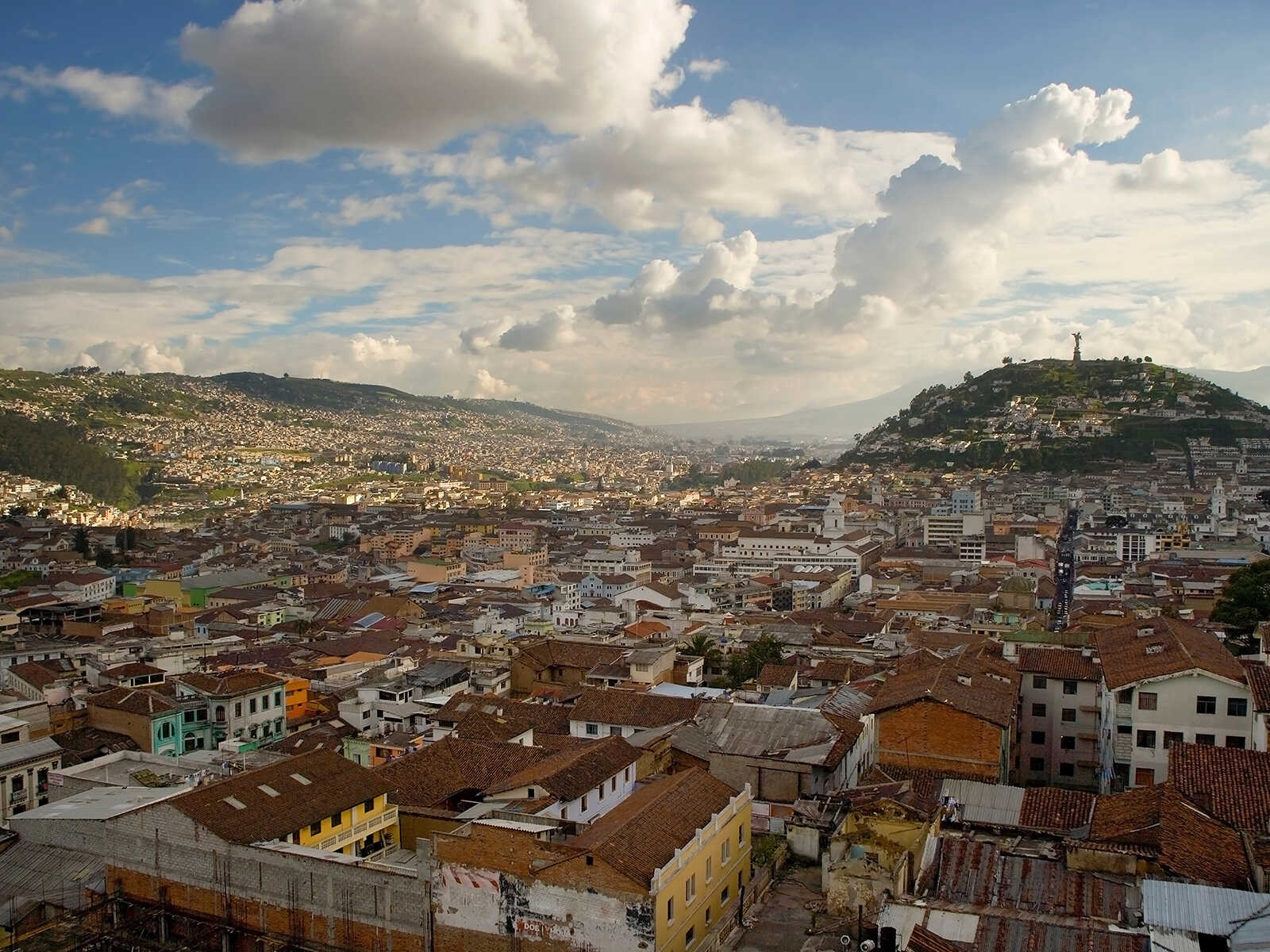
- Quito:Cotopaxi is easily accessible from Ecuador's capital, Quito, a city rich in history and culture. While in Quito, consider visiting iconic landmarks like the Middle of the World monument, the ornate Church of the Jesuits, or enjoying panoramic views from Loma El Panecillo.
- Otavalo Market:Further north from Quito, the famous Otavalo Market offers a vibrant cultural experience and a chance to buy traditional Ecuadorian handicrafts.
Best Time to Visit
The dry season, typically from June to September and again from December to January, generally offers the clearest skies and best chances for unobstructed views of the volcano. However, even during these months, clouds can roll in quickly. Visiting early in the morning often provides the best visibility before afternoon clouds form.
Respecting the Environment
Cotopaxi National Park is a fragile ecosystem. Please help preserve its natural beauty by adhering to the following principles:
- Stay on marked trails.
- Do not litter; pack out everything you pack in.
- Do not disturb wildlife or pick plants.
- Respect local regulations and park rangers' instructions.
A visit to Cotopaxi National Park is an exhilarating experience that combines natural beauty, physical challenge, and cultural immersion. With proper preparation and a spirit of adventure, you're sure to create lasting memories of Ecuador's magnificent "Neck of the Moon."