
Ecuador Festivals and Celebrations: A Cultural Calendar
Ecuador, a country rich in diverse landscapes and vibrant heritage, truly comes alive through its myriad festivals and celebrations. These events offer a unique window into the nation's soul, blending ancient Indigenous traditions with colonial influences and contemporary expressions. From solemn religious processions to exuberant street parties, there's a celebration for every traveler's taste.
Exploring Ecuador's cultural calendar is an immersive journey, revealing the deep-rooted customs and passionate spirit of its people. Whether you're drawn to the Andean highlands, the Pacific coast, or the Amazon rainforest, you'll find a festival that captures the essence of this fascinating South American gem. Plan your visit around these significant dates to experience the true heartbeat of Ecuador.
Understanding Ecuador's Festive Spirit
Ecuador's festival landscape is incredibly diverse, reflecting its multicultural population. Indigenous communities, with their strong ties to ancestral beliefs and the earth, celebrate ancient rituals like Inti Raymi. Catholic holidays, introduced during the Spanish colonial era, are observed with fervent devotion and elaborate processions. National holidays commemorate pivotal moments in the country's history, often marked by parades and patriotic displays. This blend creates a dynamic and colorful tapestry of events throughout the year.
A Month-by-Month Guide to Ecuadorian Festivities
January: New Beginnings and Ancient Traditions
- Año Nuevo (New Year's Day): Celebrated nationwide with family gatherings, fireworks, and the burning of "años viejos" (effigies representing the old year). In some regions, people jump over these burning figures for good luck.
- Día de Reyes (Epiphany): January 6th marks the arrival of the Three Kings. Observed with parades and religious ceremonies, particularly in rural communities.
February & March: The Joyful Chaos of Carnival
Ecuador's Carnival is a spirited affair, distinct from its Brazilian counterpart, often involving water fights, foam, and flour. While celebrated across the country, some cities are renowned for their unique traditions:
- Guaranda: Famous for its "Carnaval de Guaranda," featuring the Taita Carnaval (Father Carnival), parades, folk dances, and traditional food.
- Ambato: Celebrates the "Fiesta de la Fruta y de las Flores" (Festival of Fruits and Flowers), a beautiful spectacle of floats adorned with local produce, a stark contrast to the water battles elsewhere.
- Cuenca: Known for its more traditional and family-oriented celebrations, with parades and cultural events.
March & April: Solemnity and Spectacle of Semana Santa
Holy Week (Semana Santa) is one of the most significant religious observances in Ecuador, particularly in the highlands. Cities like Quito and Cuenca host elaborate processions:
- Jesús del Gran Poder Procession (Quito): On Good Friday, thousands of "cucuruchos" (penitents in purple robes and conical hoods) and "Verónicas" (women veiled in black) fill the streets of Quito's historic center, creating a deeply moving spectacle. The Church of the Jesuits is a key landmark in this area, often a focal point for religious activity.
- Guayaquil: Features the "Cristo del Consuelo" procession, attracting hundreds of thousands of participants.
Travel Tip:If you plan to attend Holy Week celebrations, be aware that many businesses may close, and transportation can be crowded. Book accommodations well in advance.
May: Commemorating Independence
- Battle of Pichincha Day: May 24th commemorates the decisive battle that secured Ecuador's independence from Spanish rule in 1822. Expect military parades and civic ceremonies, especially in Quito.
June: Sun Worship and Sacred Rituals
June is a month of profound significance, particularly for Indigenous communities, marking the winter solstice and the harvest season.
- Inti Raymi (Festival of the Sun): This ancient Inca celebration honors the sun god Inti and Pachamama (Mother Earth) for a bountiful harvest. It's marked by vibrant dances, traditional music, and purification rituals. Key places to experience Inti Raymi include the Ingapirca Ruinas, Ecuador's most important Inca archaeological site, and Indigenous communities around Otavalo Market, where the festivities are particularly lively and authentic.
- Corpus Christi: A Catholic feast day celebrated with a distinct Ecuadorian flavor, often incorporating Indigenous elements, particularly in Pujilí, Cotopaxi province, known for its colorful "Danza del Sol" (Dance of the Sun).
July & August: National Pride and Regional Celebrations
- Founding of Guayaquil: July 25th marks the founding of Ecuador's largest city. The celebrations include parades, concerts, and cultural events along the Malecón 2000.
- First Cry of Independence: August 10th commemorates the initial declaration of independence from Spain in 1809. It's a national holiday with civic ceremonies and parades across the country, especially in Quito.
September: The Unique Spectacle of Mama Negra
One of Ecuador's most unique and fascinating festivals takes place in Latacunga.
- Mama Negra (The Black Mother): Celebrated twice a year (September and November), the November version, "Fiesta de la Santísima Tragedia," is the larger and more famous one. This vibrant procession blends Indigenous, Spanish, and African elements, honoring the Virgin of Mercy and giving thanks for protection from the eruptions of Cotopaxi volcano. Characters like Mama Negra, the Capitán, and the Rey Moro parade through the streets with music, dance, and offerings.
October: Coastal Independence and Andean Traditions
- Guayaquil Independence Day: October 9th celebrates Guayaquil's independence from Spain in 1820, distinct from its founding. Expect further celebrations, civic parades, and cultural activities.
November: Day of the Dead and Cuenca's Charm
- Día de los Difuntos (Day of the Dead): November 2nd is a national holiday where families visit cemeteries to honor deceased loved ones. It's a poignant and beautiful tradition, often involving sharing "colada morada" (a spiced fruit drink) and "guaguas de pan" (sweet bread shaped like babies).
- Cuenca Independence Day: November 3rd marks Cuenca's independence. This beautiful colonial city comes alive with parades, craft fairs, and cultural events, making it an excellent time to visit.
December: Quito's Grand Celebrations and Christmas
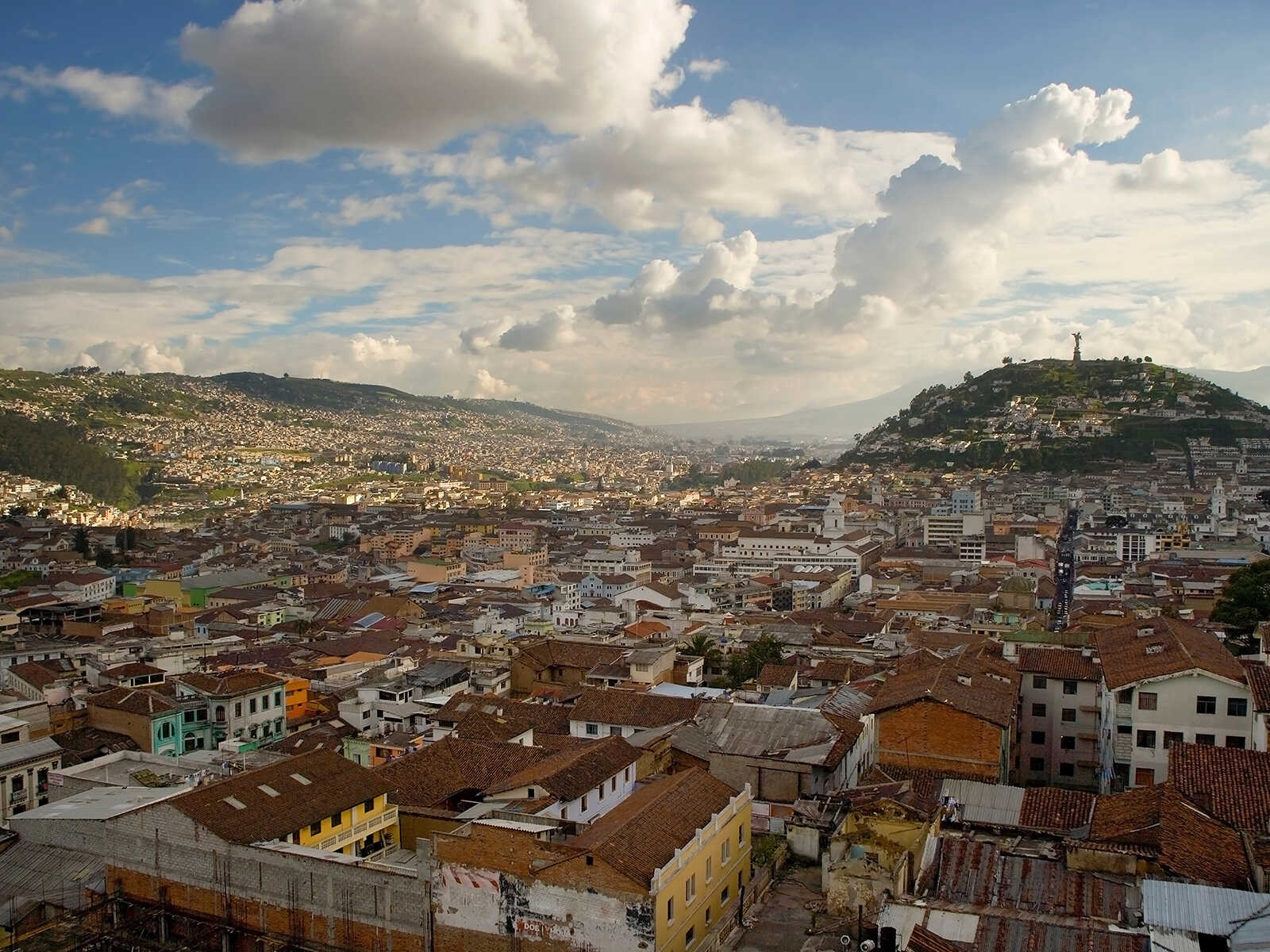
- Fiestas de Quito: The first week of December is dedicated to celebrating the founding of Quito on December 6th. The city erupts in festivities, including street parties, concerts, bullfights, parades, and traditional "chivas" (open-air party buses). Visitors can explore the historic center, take in views from Loma El Panecillo, and even visit nearby attractions like the Middle of the World monument, all while soaking in the festive atmosphere.
- Navidad (Christmas): Celebrated nationwide with religious services, family gatherings, and traditional meals. The Christmas Eve "Pase del Niño Viajero" in Cuenca is a particularly elaborate and charming procession featuring children in costumes.
Tips for Enjoying Ecuadorian Festivals
- Plan Ahead: Popular festivals attract large crowds. Book flights and accommodation well in advance, especially for major events like Carnival, Holy Week, or Fiestas de Quito.
- Respect Local Customs: Dress modestly for religious events. Ask permission before taking photos of people. Participate enthusiastically but respectfully.
- Stay Safe: Be aware of your surroundings, especially in crowded areas. Keep valuables secure and avoid walking alone at night.
- Embrace the Experience: Be open to trying new foods, learning traditional dances, and interacting with locals. These festivals are a fantastic way to connect with Ecuadorian culture on a deeper level.
- Learn Basic Spanish: While not essential, a few basic phrases will greatly enhance your interactions and understanding of the festivities.
Experience Ecuador's Heartbeat Through Its Festivals
Ecuador's calendar is a testament to its vibrant history, profound spirituality, and diverse cultural tapestry. Each festival, whether a solemn procession or a joyous street party, tells a story and invites travelers to become part of the narrative. By timing your visit to coincide with one of these incredible celebrations, you'll gain an unparalleled insight into the heart and soul of this captivating Andean nation. Prepare to be enchanted by the colors, sounds, and spirit of Ecuador's unforgettable festivals.