
Best Time to Visit Ecuador: A Seasonal Guide for Travelers
Ecuador, a country of unparalleled biodiversity and breathtaking landscapes, offers a unique travel experience no matter when you visit. From the sun-drenched Galápagos Islands to the towering peaks of the Andes and the lush Amazon rainforest, its diverse regions boast distinct climates, making timing crucial for your adventure.
Unlike countries with four distinct seasons, Ecuador's proximity to the equator means its climate is primarily divided into wet and dry periods, which vary significantly across its four main geographical zones: the Pacific Coast, the Andean Highlands (Sierra), the Amazon Rainforest (Oriente), and the Galápagos Islands. Understanding these regional variations is key to planning your ideal trip.
The Galápagos Islands: A Year-Round Wildlife Spectacle
The Galápagos archipelago, a world unto itself, experiences two primary seasons, both excellent for wildlife viewing, albeit with different highlights.
Warm/Wet Season (December to May)
During these months, the islands are generally warmer, with average air temperatures around 25-30°C (77-86°F) and water temperatures up to 26°C (79°F). Brief, heavy showers are common, especially in the afternoons, which transform the normally arid landscapes into surprisingly lush, green environments. This period is ideal for:
- Snorkeling and Diving:Warmer, calmer waters offer excellent visibility and comfortable conditions for exploring marine life, including at sites like Los Tuneles.
- Bird Watching:Many land birds are nesting and quite active, showcasing vibrant plumage and mating rituals.
- Marine Iguanas & Sea Lions:These iconic creatures are particularly active, with sea lions giving birth. You might even spot them lounging on Galapagos Beach at Tortuga Bay.
- Island Exploration:Clear skies often follow the rain, providing stunning photographic opportunities on islands like Bartolomé Island.
Cool/Dry Season (June to November)
This season is characterized by cooler temperatures (around 20-25°C / 68-77°F) and a phenomenon called "garúa" – a fine, misty drizzle that often blankets the highlands. The Humboldt Current brings nutrient-rich, cooler waters (around 20-24°C / 68-75°F) from the south, making this an extraordinary time for:
- Marine Life:The cooler waters attract an abundance of marine life, making it prime time for spotting whales, dolphins, and larger fish species, as well as active marine iguanas, blue-footed boobies, and flightless cormorants.
- Sea Lion Pups:Sea lion breeding season continues, with adorable pups often seen playing on the beaches.
- Hiking:The cooler temperatures make for more comfortable hiking on the islands.
Traveler Tip:While the Galápagos are fantastic year-round, if you prioritize comfortable swimming and lush island scenery, aim for the warm season. If seeing diverse marine life and larger marine animals is your goal, the cool season might be preferable.
The Andean Highlands (Sierra): Trekking and Cultural Immersion
Ecuador's Andean region, home to majestic volcanoes, indigenous markets, and colonial cities, experiences distinct wet and dry seasons. Temperatures here are generally cooler, especially at higher elevations, with significant daily fluctuations.
Dry Season (June to September)
Often considered the best time to visit the Andes, these months offer clearer skies, less rain, and comfortable daytime temperatures (around 10-20°C / 50-68°F). This is ideal for:
- Trekking and Hiking:Perfect conditions for exploring trails around Cotopaxi, the stunning Laguna Quilotoa, or the serene Mojanda Lake. Views of the snow-capped peaks are often unobstructed.
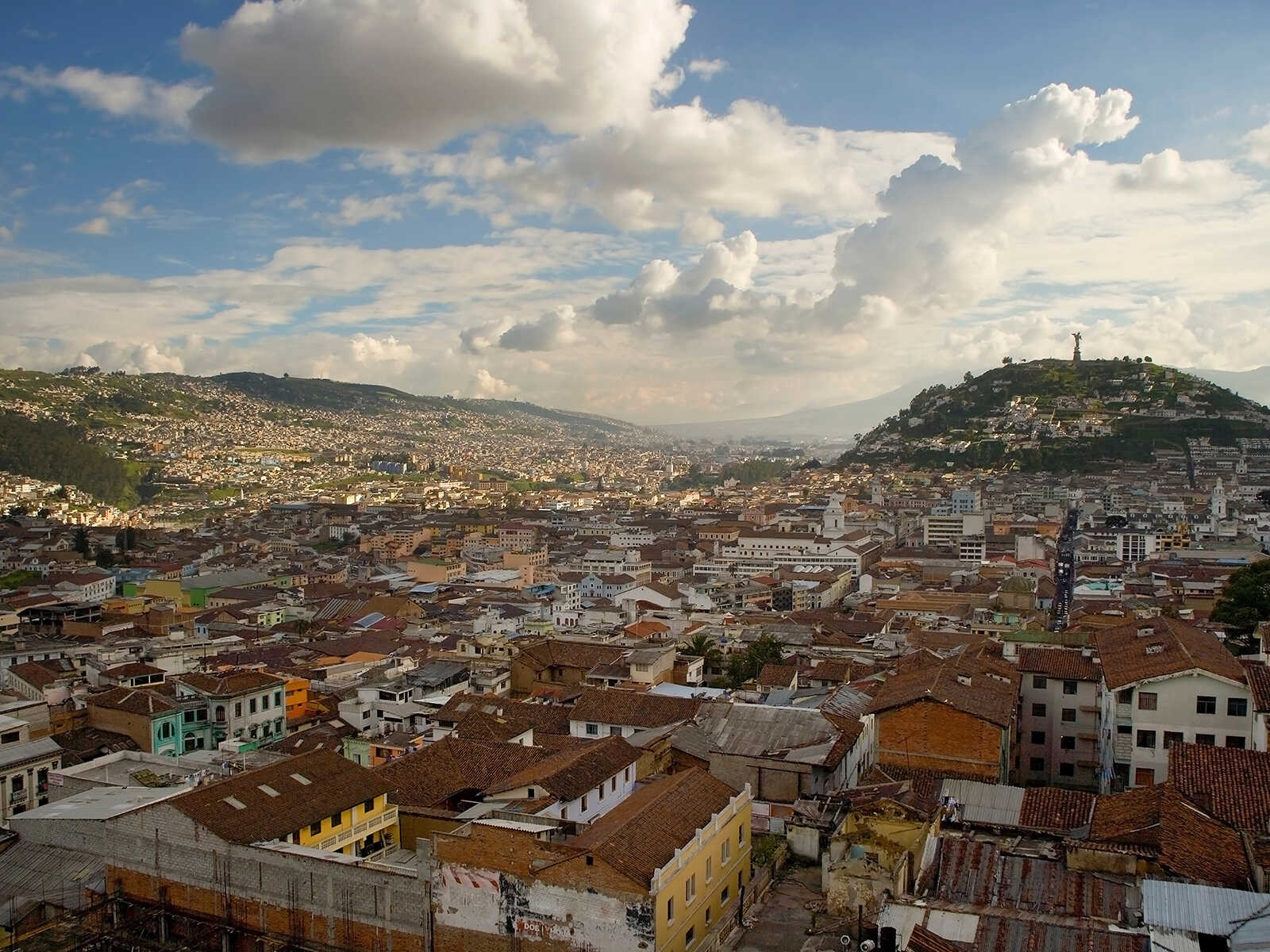
- City Exploration:Enjoy walking tours in Quito, visiting sites like the magnificent Church of the Jesuits, exploring the historic center, or standing at the Middle of the World. The views from Loma El Panecillo are particularly grand.
- Cultural Experiences:The vibrant Otavalo Market is bustling, and conditions are pleasant for visiting historical sites like Ingapirca Ruinas.
Wet Season (October to May)
While often labeled "wet," this season typically involves sunny mornings followed by afternoon showers, especially from January to April. Temperatures remain mild, and the landscapes become incredibly lush and green. This period is good for:
- Photography:The cloud formations and verdant scenery offer dramatic photo opportunities.
- Fewer Crowds:You might find fewer tourists at popular spots.
- Adventure Towns:Towns like Baños, with its hot springs and proximity to waterfalls like Pailon del Diablo, remain popular, as the rain doesn't deter most activities. The train journey on La Nariz del Diablo is also an exciting option year-round.
The Pacific Coast (La Costa): Beaches and Sunshine
Ecuador's Pacific Coast boasts tropical weather, characterized by two main seasons that are quite distinct from the Andes.
Hot and Rainy Season (December to May)
This is the prime beach season, despite the name. Expect hot, humid weather with temperatures averaging 25-35°C (77-95°F). Rainfall usually comes in heavy, short bursts, often at night, leaving sunny days perfect for the beach. The water is warm and inviting.
- Beach Activities:Ideal for swimming, sunbathing, and enjoying the coastal towns.
- Surfing:Consistent swells make it a great time for surfing.
- Festivals:Many coastal towns celebrate during this period, especially around Carnival.
Dry Season (June to November)
Known as the "garúa" season on the coast, these months are cooler (20-30°C / 68-86°F) and less humid, with less rainfall. Skies can often be overcast or misty, especially in the mornings. The ocean is cooler and choppier, but still enjoyable.
- Whale Watching:This is the highlight of the dry season, particularly from June to September, when humpback whales migrate to the warmer waters off Ecuador's coast to breed.
- More Comfortable for Exploration:The lower humidity can make exploring coastal towns and national parks more pleasant for some.
The Amazon Rainforest (El Oriente): Wildlife in a Perpetual Green
The Amazon is hot and humid year-round, with high rainfall. There isn't a truly "dry" season, but some months see less rain than others.
Slightly "Drier" Season (September to November & December to February)
While still wet, these periods tend to have slightly less rainfall, with average temperatures around 23-30°C (73-86°F) and high humidity. This can be a good time for:
- Easier Trail Access:Less rain might mean slightly less muddy trails, though rubber boots are always a necessity.
- Wildlife Viewing:River levels are often lower, concentrating animals near water sources and making them easier to spot along riverbanks.
Wetter Season (March to August)
Rainfall is more frequent and heavier during these months. Rivers are higher, which can be advantageous for:
- Canoeing:Higher water levels allow for deeper exploration into smaller tributaries.
- Birdwatching:Many bird species are particularly active.
Fun Fact:The Amazon basin in Ecuador is one of the most biodiverse regions on Earth, meaning wildlife spotting is a possibility any time of year, regardless of the rain!
Best Overall Time to Visit Ecuador
Considering the country's diverse regions, there isn't one single "best" time, but certain periods offer a good balance for multi-region trips:
- June to September:This is generally considered peak season. It offers the dry season in the Andes (ideal for trekking and city exploration) and the cool/dry season in the Galápagos (excellent for marine life). The coast also offers whale watching. Expect more crowds and potentially higher prices.
- December to May:This period aligns with the warm/wet season in the Galápagos (great for comfortable swimming and land birds) and the hot/rainy season on the coast (perfect for beaches). The Andes experiences its wet season, but typically with sunny mornings.
Factors to Consider When Planning Your Trip
- Your Priorities:Are you dreaming of hiking volcanoes, diving with hammerheads, or relaxing on a beach? Your main activities will heavily influence the best time to go.
- Crowds & Festivals:Peak seasons (June-August, Christmas, and Easter/Semana Santa) see more tourists and higher demand. Traveling during shoulder seasons (e.g., May, October, November) can offer a good balance of weather and fewer crowds. Consider local festivals like Quito's Fiestas de Quito in December or Carnival before Lent, which can be vibrant but also mean more people and booked accommodations.
- Budget:Traveling during the shoulder or off-peak seasons can sometimes lead to better deals on flights and accommodations, though this is less pronounced for the Galápagos.
Ecuador truly is a destination for all seasons. By understanding the regional climates and aligning them with your travel interests, you can ensure an unforgettable adventure in this spectacular South American gem.