
Best Hiking Trails in Ecuador: Andes Peaks and Volcanic Views
Ecuador, a compact nation straddling the equator, boasts an incredible diversity of landscapes, making it a hiker's paradise. From the towering, snow-capped peaks of the Andes to the dramatic craters of active volcanoes and lush cloud forests, this country offers an unparalleled range of trails for every level of adventurer.
Embark on an unforgettable journey through Ecuador's stunning natural beauty, where every step reveals breathtaking vistas and unique ecosystems. This guide highlights some of the best hiking experiences, blending challenging ascents with scenic strolls, all set against the majestic backdrop of the "Avenue of Volcanoes."
Conquering the High Andes: Volcanic Majesty
The Ecuadorian Andes are defined by a spectacular chain of volcanoes, many of which are accessible for hiking. These trails offer not only a physical challenge but also a profound connection with the raw power and beauty of nature.
Cotopaxi National Park: Iconic Peaks and Wild Vistas
Home to one of the world's highest active volcanoes,Cotopaxi National Park is a must-visit for serious hikers. The climb to the José Rivas Refuge (at approximately 4,800 meters or 15,750 feet) is a popular day hike, offering incredible views of the paramo landscape and the glacier-capped summit.
For the truly ambitious, a guided ascent to the summit of Cotopaxi(5,897 meters or 19,347 feet) is an unforgettable, multi-day expedition requiring specialized gear, an experienced guide, and proper acclimatization. Even if you don't aim for the summit, the park offers numerous trails around Limpiopungo Lake, perfect for acclimatization and enjoying the unique high-altitude flora and fauna.
Tip for high-altitude hikes:Always allow ample time for acclimatization. Spend a few days at altitudes like Quito (2,850m) before attempting higher trails. Hydration is key!
Laguna Quilotoa Loop: Crater Lake and Andean Villages
The Laguna Quilotoa Loop is arguably Ecuador's most famous multi-day hike, a stunning journey through traditional Kichwa communities and dramatic volcanic scenery. The centerpiece is the dazzling turquoise crater lake of Laguna Quilotoa itself, a breathtaking sight from the rim.
Hikers typically spend 2-4 days traversing rolling hills, deep canyons, and remote villages, staying in basic but welcoming guesthouses. The most common route connects Sigchos, Isinliví, and Chugchilán, culminating in the descent to and ascent from the lake. The views are consistently spectacular, offering a glimpse into rural Andean life.
Day-trippers can also visit the Laguna Quilotoa crater, hike down to the water's edge, and even kayak on the lake, making it accessible for various fitness levels.
Chimborazo: Standing on the Closest Point to the Sun
Ecuador's highest peak, Chimborazo (6,268 meters or 20,564 feet), offers a formidable challenge for experienced mountaineers. While a summit attempt requires significant preparation, a guided hike to the Edward Whymper Refuge (5,000 meters or 16,400 feet) and beyond to the glacier line is an exhilarating experience. The panoramic views from these altitudes are simply unparalleled, extending across the vast paramo and often above the clouds.
Lush Landscapes: Cloud Forests and Waterfalls
Beyond the stark beauty of the high Andes, Ecuador's lower slopes and cloud forests provide a different kind of hiking experience, characterized by lush vegetation, abundant wildlife, and cascading waterfalls.
Baños de Agua Santa: Adventure and Waterfalls
Baños, nestled at the foot of Tungurahua volcano, is known as Ecuador's adventure capital and a fantastic base for diverse hikes. The "Ruta de las Cascadas" (Waterfall Route) offers various trails and viewpoints to admire impressive waterfalls, including the powerful Pailón del Diablo(Devil's Cauldron).
You can hike, bike, or even take a local bus along this scenic route, stopping to explore trails that lead closer to the falls. Beyond the waterfalls,Baños offers hikes into the surrounding cloud forest, providing opportunities for birdwatching and enjoying the rich biodiversity.
Mindo Cloud Forest: Nature Walks and Birdwatching
The Mindo cloud forest, a biodiversity hotspot, is perfect for those seeking gentler nature walks focused on wildlife. Numerous trails wind through the forest, leading to hidden waterfalls, butterfly farms, and prime birdwatching spots. While not strenuous, these hikes offer an immersive experience in one of the world's most biodiverse ecosystems.
Northern Highlands: Lakes, Culture, and Views
The northern part of the Ecuadorian Andes provides a blend of high-altitude lakes, cultural experiences, and rewarding day hikes.
Mojanda Lake: Scenic Beauty Near Otavalo
Just a short drive from the vibrant Otavalo Market,Mojanda Lake offers a beautiful high-altitude day hike. The trek around the three Mojanda lakes (Lagunas de Mojanda) is a moderate challenge, providing stunning views of the pristine waters and the surrounding paramo. For more experienced hikers, the ascent to the summit of Fuya Fuya (4,263 meters or 13,986 feet) provides a more strenuous option with incredible panoramic vistas.
Ingapirca Ruins: History and Gentle Walks
While primarily a historical site, the area around the Ingapirca Ruinas, Ecuador's most significant Inca archaeological complex, offers pleasant walks through agricultural fields and rolling hills. Exploring the ruins themselves involves a significant amount of walking, allowing visitors to combine cultural immersion with light hiking.
Urban Escapes and Day Hikes
Even within or near Ecuador's major cities, there are excellent opportunities for hiking and enjoying panoramic views.
Loma El Panecillo, Quito: City Views
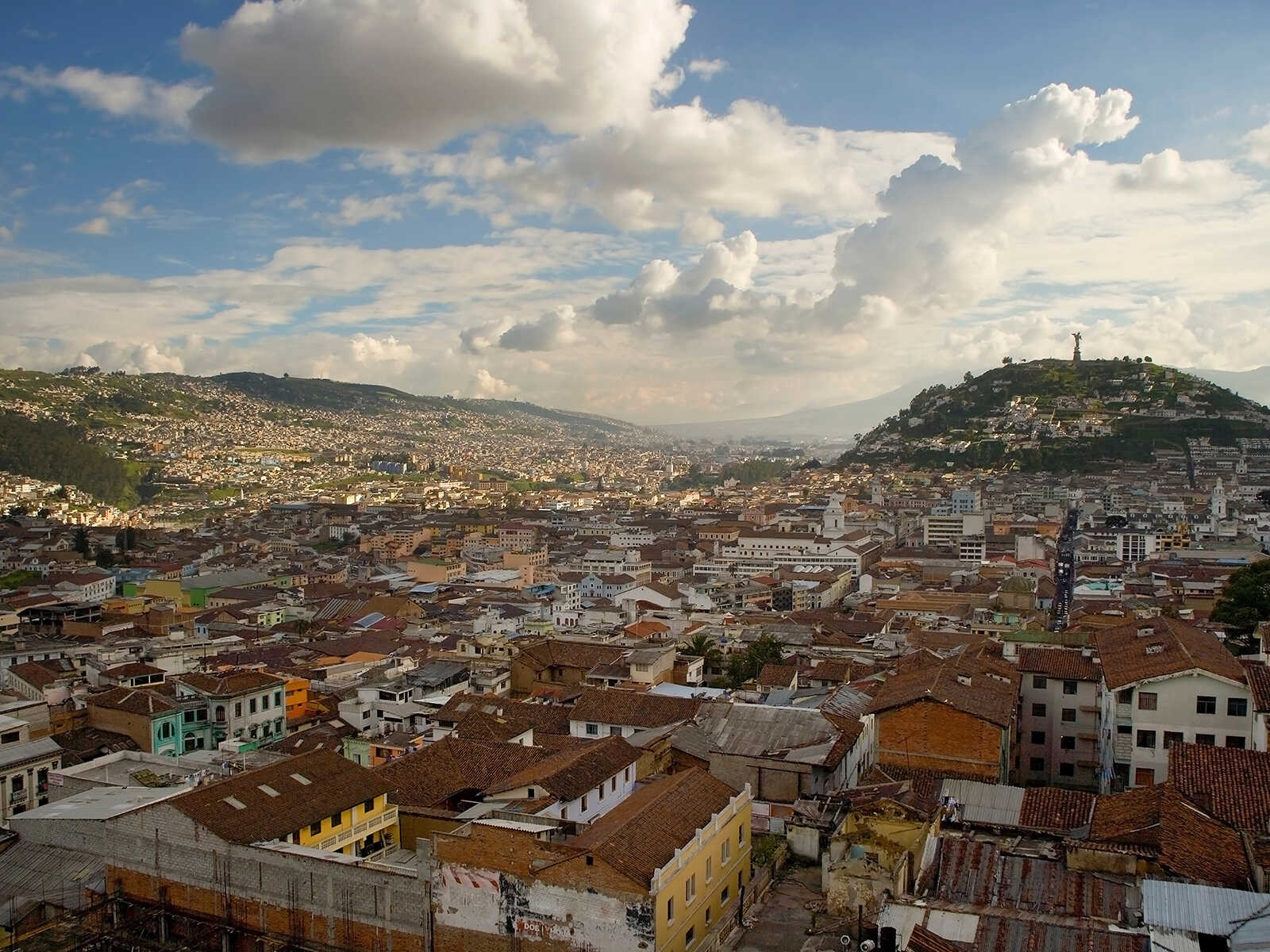
For an urban hike with a rewarding payoff, a walk up Loma El Panecillo in Quito offers spectacular 360-degree views of the historic center and the surrounding Andean peaks. While it's possible to take a taxi, walking up (preferably during daylight hours) provides a good workout and a unique perspective of the city.
Essential Hiking Preparation and Safety Tips
- Acclimatize:Crucial for high-altitude treks. Spend a few days at moderate altitudes before attempting higher peaks.
- Gear Up:Pack layers (temperatures can change rapidly), waterproof outer shells, sturdy hiking boots, a hat, gloves, sunscreen, and sunglasses.
- Stay Hydrated:Carry plenty of water, especially at altitude.
- Hire a Guide:For high-altitude summits or remote multi-day treks, hiring an experienced local guide is highly recommended for safety and local insights.
- Inform Someone:Let your accommodation or a trusted contact know your hiking plans and expected return time.
- Leave No Trace:Pack out everything you pack in. Respect local communities and wildlife.
- Check Weather:Andean weather can be unpredictable. Be prepared for sun, rain, and cold, sometimes all in one day.
Best Time to Hike in Ecuador
Ecuador experiences two main seasons: a dry season (June to September) and a wet season (October to May). The dry season is generally considered the best time for high-altitude treks, offering clearer skies and less rain. However, even during the dry season, afternoon showers can occur. The wet season brings more rain, but also lush green landscapes and fewer crowds. Hiking in the cloud forest regions can be enjoyed year-round, as rain is a common occurrence regardless of the season.
Conclusion
Ecuador's diverse terrain offers an unparalleled array of hiking experiences, from the challenging ascents of its iconic volcanoes to the serene walks through its vibrant cloud forests. Whether you're seeking a multi-day adventure through traditional villages or a breathtaking day hike to a crater lake, Ecuador's Andes and volcanic landscapes promise unforgettable trails and views that will captivate every adventurer.
Lace up your boots, prepare for stunning panoramas, and discover why Ecuador is truly a hiker's dream destination.