
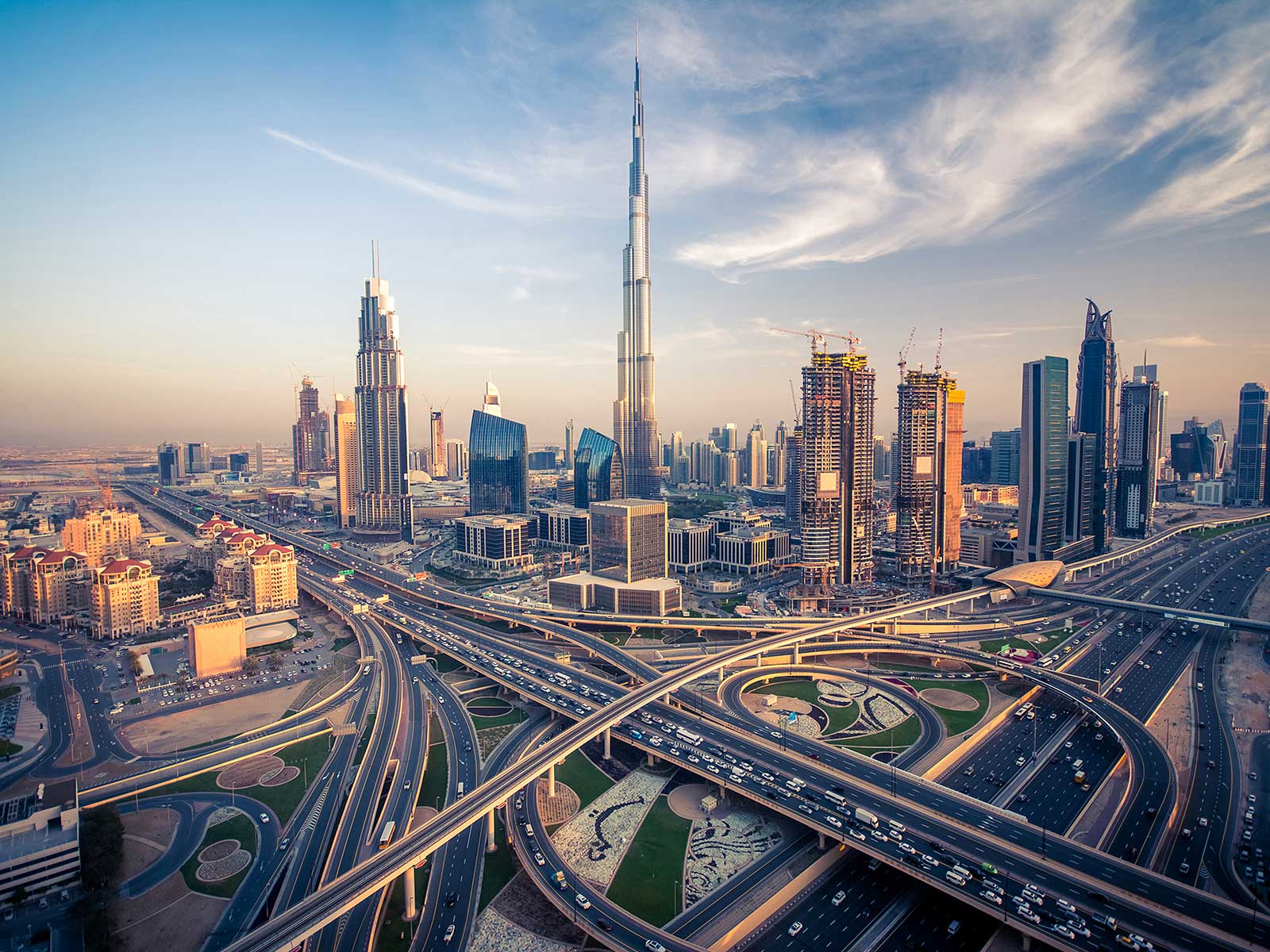
The History of Dubai: From Desert Village to Global Metropolis
Dubai's remarkable transformation from a humble desert settlement to a world-renowned global hub is a testament to vision, resilience, and strategic development. This journey, spanning centuries, showcases an incredible evolution from a pearl diving and trading village to a vibrant, futuristic metropolis that captivates millions.
Early Beginnings: A Strategic Trading Post
The story of Dubai begins long before its skyscrapers pierced the clouds. Archaeological discoveries suggest human habitation in the area dating back thousands of years. Early inhabitants relied on fishing, date farming, and nomadic Bedouin lifestyles, navigating the harsh desert environment with ingenuity.
Ancient Roots and Pearl Diving
For centuries, the shallow waters of the Arabian Gulf were rich with pearls, making pearl diving a cornerstone of the region's economy. Dubai Creek, a natural saltwater inlet, provided a sheltered harbor, drawing traders and seafarers from across the Middle East and Indian subcontinent. This strategic waterway facilitated the exchange of goods, making Dubai a nascent but significant trading post.
Did You Know?Before the discovery of oil, pearl diving was the primary industry in Dubai, with divers enduring incredible hardships to retrieve precious pearls from the seabed.
The Al Maktoum Dynasty
In 1833, around 800 members of the Bani Yas tribe, led by Maktoum bin Butti Al Maktoum, settled at Dubai Creek. This marked the establishment of the Al Maktoum dynasty, which continues to rule Dubai today. Under their leadership, Dubai began to flourish, actively encouraging trade by offering attractive incentives, including tax exemptions, which drew merchants from neighboring regions. This forward-thinking approach laid the groundwork for its future as a commercial powerhouse.
The Dawn of Modernity: Oil and Vision
The 20th century brought significant changes, but it was the discovery of oil in the late 1960s that truly accelerated Dubai's development. However, unlike many oil-rich nations, Dubai's leaders understood that oil reserves were finite and used this newfound wealth not just for immediate gain, but as a catalyst for sustainable, long-term growth.
The Discovery of Oil and Its Impact
The first oil discovery in Dubai occurred in 1966 at the offshore Fateh field. While not as vast as some of its neighbors, Dubai's oil revenue was strategically invested. Instead of relying solely on oil, the visionary leadership focused on building world-class infrastructure, positioning Dubai as a future leader in trade, tourism, and services.
Sheikh Rashid bin Saeed Al Maktoum's Vision
Sheikh Rashid bin Saeed Al Maktoum, who ruled Dubai from 1958 to 1990, is widely credited as the architect of modern Dubai. He championed ambitious projects, including the dredging of Dubai Creek to accommodate larger vessels, the construction of Port Rashid, and the establishment of Dubai International Airport. His mantra was "build it and they will come," a philosophy that continues to drive the emirate's development.
The UAE's Formation and Accelerated Growth
A pivotal moment in Dubai's history was the formation of the United Arab Emirates.
Unification and the UAE
In 1971, Dubai, along with six other emirates, came together to form the United Arab Emirates. This unification provided stability and a collective vision for the future, further bolstering Dubai's ability to pursue its ambitious development plans on a larger, more secure platform.
Diversification Beyond Oil
Recognizing the imperative to diversify, Dubai aggressively pursued strategies to reduce its dependence on oil. Investments poured into creating free zones like Jebel Ali Free Zone, which rapidly grew into one of the world's largest and most successful, attracting global businesses with tax incentives and advanced infrastructure. This strategic shift positioned Dubai as a global logistics and trade hub.
From Local to Global: Trade and Tourism
The 1990s saw an intensified focus on tourism and international business. Dubai invested heavily in high-quality hotels, convention centers, and marketing campaigns to attract visitors and foreign investment. This period laid the groundwork for its emergence as a premier travel destination, even before the iconic structures of the 21st century began to rise.
The 21st Century: Iconic Structures and Global Hub
The turn of the millennium ushered in an era of unprecedented growth and monumental projects that catapulted Dubai onto the world stage.
Architectural Marvels
Dubai became synonymous with groundbreaking architecture. The construction of the Burj Khalifa, the world's tallest building, completed in 2010, became a symbol of Dubai's ambition and engineering prowess. Alongside it, the man-made islands of Palm Jumeirah redefined coastal development, creating luxurious residential and resort areas that are marvels of modern engineering.
Tourism and Entertainment Extravaganza
Tourism exploded, fueled by world-class attractions. The Dubai Mall, one of the largest shopping malls globally, offers not just retail therapy but also houses the captivating Dubai Aquarium and Underwater Zoo. Outside, the mesmerizing performances of The Dubai Fountain draw crowds daily. Dubai's commitment to creating unique experiences solidified its reputation as a must-visit destination.
A Multicultural Melting Pot
Today, Dubai is a vibrant, multicultural city, home to people from over 200 nationalities. This diversity enriches its culture, cuisine, and business landscape, making it a truly international city where innovation thrives.
Future Forward: Innovation and Sustainability
Dubai continues to look to the future, with ambitious plans centered on innovation, smart city initiatives, and sustainability. Projects like Expo City Dubai and the ongoing development of new districts underscore its commitment to remaining at the forefront of global progress, constantly adapting and evolving to meet future challenges.
Beyond the City: The Enduring Desert Spirit
Despite its futuristic skyline, Dubai has not forgotten its roots. The vast, serene Dubai Desert remains a cherished part of its identity, offering a stark contrast to the bustling city and a reminder of the heritage that shaped its people. Experiences like desert safaris allow visitors to connect with the ancient Bedouin traditions and the timeless beauty of the Arabian landscape.
Conclusion
The history of Dubai is an inspiring narrative of transformation – from a humble pearl diving village on a desert creek to a global metropolis renowned for its innovation, luxury, and vision. It is a story not just of oil wealth, but of strategic leadership, relentless ambition, and a steadfast commitment to building a prosperous future. Dubai stands as a living testament to what can be achieved with bold vision and unwavering determination, continually redefining what a modern city can be.