
Dubai Architecture Guide: Iconic Buildings and Modern Marvels
Dubai is a city synonymous with ambition, innovation, and architectural grandeur. What began as a humble fishing village has transformed into a futuristic metropolis, boasting some of the world's most recognizable and record-breaking structures. This guide explores the iconic buildings and modern marvels that define Dubai's breathtaking skyline, offering insights into their design and significance.
A City Built on Vision: Dubai's Architectural Philosophy
Dubai's rapid development is a testament to its visionary leadership and a commitment to pushing the boundaries of urban design. The city's architectural philosophy blends cutting-edge technology with aesthetic brilliance, often drawing inspiration from local culture and the natural environment. From towering skyscrapers that pierce the clouds to artificial islands that reshape coastlines, Dubai’s built environment is a living exhibition of what's possible when imagination meets engineering prowess.
Iconic Skyscrapers: Reaching for the Stars
Dubai's skyline is a dazzling display of vertical ambition, where architects from around the globe have left their indelible mark. These towers are not just buildings; they are symbols of progress and human ingenuity.
Burj Khalifa: The World's Tallest Wonder
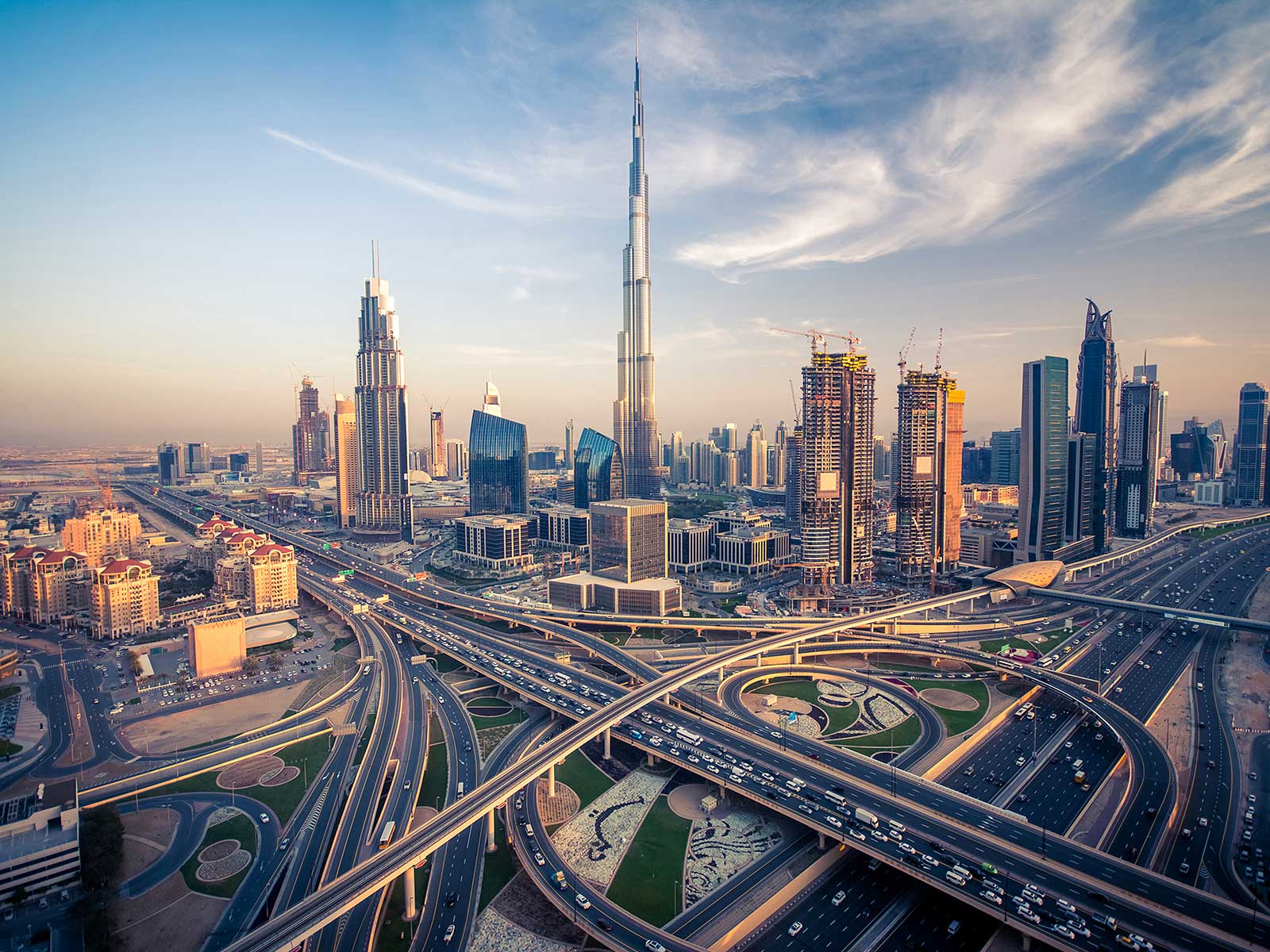
Undoubtedly the crown jewel of Dubai's architecture, the Burj Khalifa stands as the world's tallest building, a global icon of engineering and design. Opened in 2010, its design is inspired by the Hymenocallis flower and incorporates elements of Islamic architecture, such as the triple-lobed footprint. Visitors can ascend to its observation decks for unparalleled panoramic views of the city, coastline, and even the desert beyond. At its base, the captivating performances of The Dubai Fountain add to its majestic allure.
Did you know?The Burj Khalifa's design incorporates a 'buttressed core' structural system, which allows it to withstand high winds and seismic activity, ensuring its stability at an unprecedented height.
Cayan Tower (Twisting Tower)
Located in Dubai Marina, the Cayan Tower is an architectural marvel renowned for its distinctive 90-degree helical twist. Each floor is rotated by 1.2 degrees from the one below it, creating a striking spiral form that defies conventional skyscraper design. This unique structure provides residents with stunning views of the marina and the Arabian Gulf, while minimizing direct sun exposure.
Museum of the Future
A relatively new addition to Dubai's architectural landscape, the Museum of the Future is a truly unique elliptical structure. Its stainless-steel facade is adorned with intricate Arabic calligraphy, featuring quotes about the future from Sheikh Mohammed bin Rashid Al Maktoum. The building itself is a testament to sustainable design and innovation, housing immersive exhibitions that explore future technologies and ideas. It's an architectural statement that looks forward, literally and figuratively.
Man-Made Wonders: Redefining Landscapes
Dubai's ambition extends beyond vertical growth, embracing projects that fundamentally alter its geography and create entirely new environments.
Palm Jumeirah: An Engineering Marvel
The Palm Jumeirah is one of the most ambitious engineering projects ever undertaken: a colossal man-made island shaped like a palm tree. This iconic archipelago added significant beachfront property to Dubai, hosting luxurious resorts, residential villas, and entertainment venues. Its intricate design and scale are best appreciated from above, showcasing the ingenuity involved in its construction and the lifestyle it offers.
The World Islands
Another monumental offshore development, The World Islands project consists of a collection of artificial islands shaped to resemble a world map. While still largely under development, it represents Dubai's daring vision to create exclusive, private enclaves, pushing the boundaries of what is possible in coastal development.
Cultural and Commercial Hubs: Blending Tradition with Modernity
Beyond the skyscrapers and artificial islands, Dubai's architecture also encompasses vibrant commercial centers and structures that pay homage to its rich cultural heritage.
Dubai Mall: A Retail Metropolis
More than just a shopping center,The Dubai Mall is an integrated entertainment and lifestyle destination. Its sheer scale and diverse offerings make it an architectural and commercial landmark. Within its vast confines, visitors can find the spectacular Dubai Aquarium and Underwater Zoo, an Olympic-sized ice rink, and countless dining and retail options, all housed under a meticulously designed roof.
Dubai Opera
The Dubai Opera is a stunning dhow-shaped building, paying tribute to Dubai's maritime history. Located in Downtown Dubai, this multi-format performing arts venue hosts a wide array of events, from concerts and theatre to ballet and opera. Its design elegantly combines traditional influences with contemporary aesthetics, making it a cultural focal point.
Jumeirah Mosque
In contrast to the city's modern marvels, the Jumeirah Mosque stands as a beautiful example of traditional Islamic architecture. Built in the Fatimid style, with its twin minarets and intricate stone carvings, it is one of the few mosques in Dubai open to non-Muslim visitors. Its serene beauty offers a glimpse into the city's religious heritage and provides a striking visual counterpoint to the surrounding contemporary structures.
Al Fahidi Historical Neighbourhood (Bastakiya Quarter)
For a truly immersive experience in traditional Emirati architecture, a visit to the Al Fahidi Historical Neighbourhood is essential. This charming quarter features narrow alleyways and sand-coloured buildings with distinctive wind-towers (Barajeel), which were an early form of air conditioning. Preserved to reflect Dubai's past, it offers a fascinating contrast to the gleaming skyscrapers and provides insight into the city's humble beginnings.
Emerging Architectural Trends
Dubai continues to evolve, with future architectural projects focusing heavily on sustainability, smart city integration, and innovative materials. The city is a living laboratory for urban planning, constantly experimenting with designs that address environmental challenges and enhance urban living through technology. Expect to see more green spaces, eco-friendly buildings, and technologically advanced infrastructure in the coming years.
Experiencing Dubai's Architecture
To truly appreciate Dubai's architectural prowess, consider a few practical tips:
- Observation Decks:Visit the Burj Khalifa's 'At The Top' for unparalleled aerial views.
- Walking Tours:Explore areas like Dubai Marina, Downtown Dubai, or the Al Fahidi Historical Neighbourhood on foot to appreciate the details and contrasts.
- Boat Tours:Take a yacht or ferry tour around the Palm Jumeirah and Dubai Marina to admire the waterfront architecture from a unique perspective.
- Public Transport:The Dubai Metro offers fantastic elevated views of the city's skyline, especially along Sheikh Zayed Road.
Dubai's architecture is a narrative of ambition, innovation, and cultural synthesis. Each building tells a story of a city that dares to dream big, constantly pushing the boundaries of design and engineering. Exploring its iconic structures is not just about admiring buildings; it's about witnessing the ongoing evolution of a truly modern marvel.